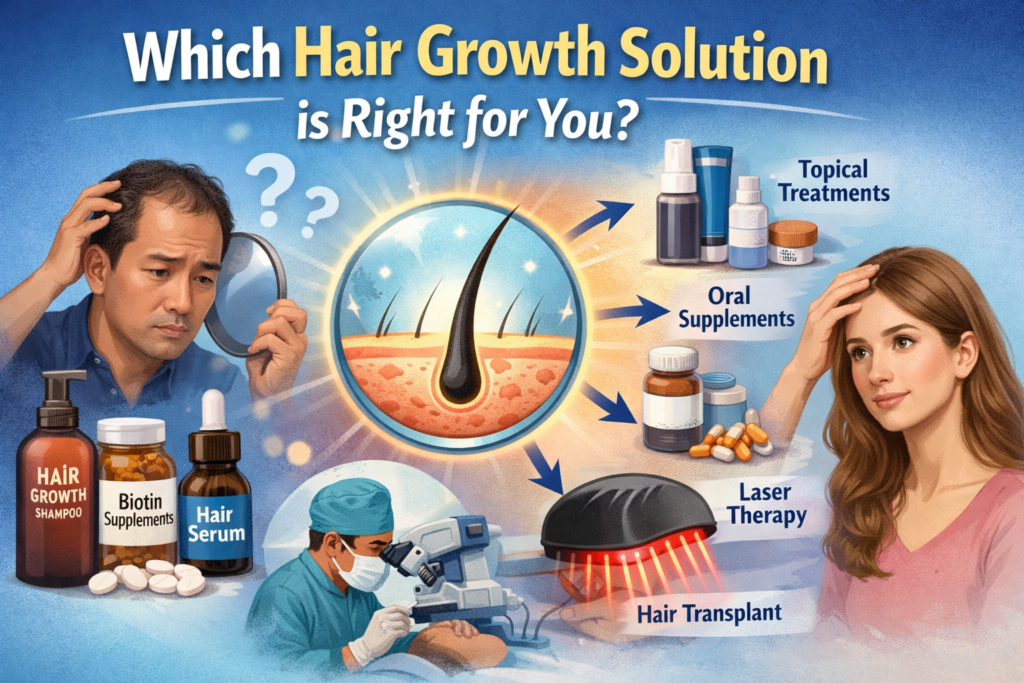
Which Hair Growth Solution Is Right for You?
I still remember the first time I noticed it—just a little more hair on my pillow than usual. At first, I brushed it off. “It’s normal,” I told myself. Everyone sheds hair. But days turned into weeks, and suddenly I found myself staring a little too long into the mirror, tilting my head under the light, wondering if my hairline had quietly shifted without asking for permission.
That moment—small, almost insignificant—was the beginning of a journey I didn’t expect to take.
The Emotional Side of Hair Loss
We don’t talk enough about how personal hair is. It’s not just strands growing from your scalp—it’s identity, confidence, expression. For some, it’s tied to youth. For others, it’s culture, style, or even rebellion.
So when hair starts thinning or falling out, it’s rarely just a “physical” issue. It becomes emotional.
I remember avoiding certain hairstyles. I stopped tying my hair up because it made the thinning areas more visible. Windy days became annoying instead of refreshing. Photos? I started volunteering to be the one behind the camera instead.
And I realized something important: finding the right hair growth solution isn’t just about regrowing hair—it’s about regaining a sense of control.
Understanding the Root of the Problem
Before diving into solutions, I had to ask myself a simple question: Why is this happening?
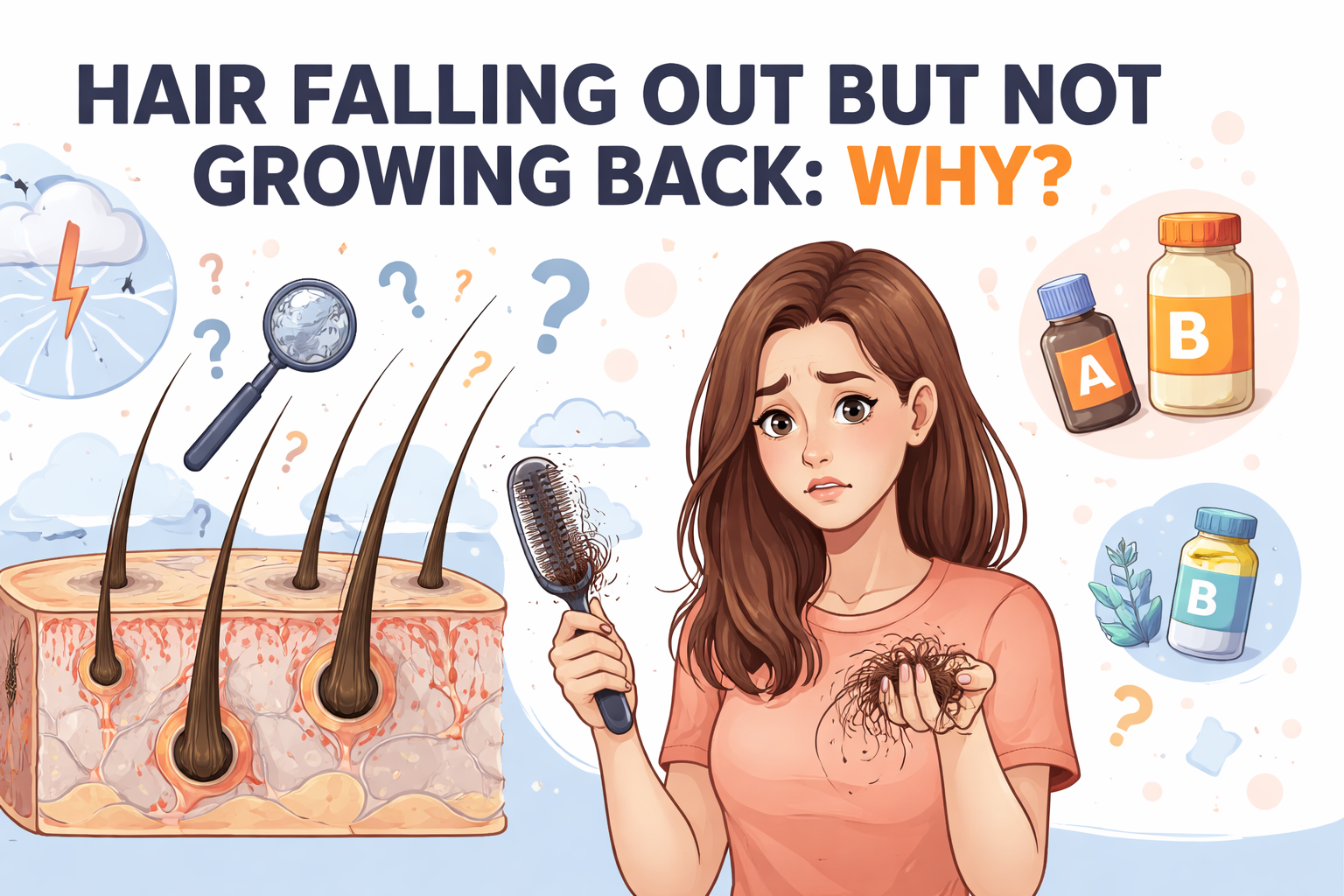
Hair loss isn’t one-size-fits-all. It can come from:
- Genetics (the most common culprit)
- Stress and lifestyle changes
- Hormonal imbalances
- Nutritional deficiencies
- Hair damage from styling or chemicals
- Medical conditions
At first, I was tempted to jump straight into buying products—anything that promised “fast hair growth” or “miracle results.” But deep down, I knew that without understanding the cause, I’d just be guessing.
So I paused. I paid attention. I reflected on my habits, my stress levels, my diet. That pause changed everything.
The Overwhelming World of Hair Growth Solutions
If you’ve ever searched “how to grow hair faster,” you know how overwhelming it can be. Oils, serums, pills, treatments, devices—each one claiming to be the answer.
I tried quite a few.
Some worked a little. Some didn’t work at all. And some… well, they worked, but not in the way I expected.
Here’s what I learned along the way.
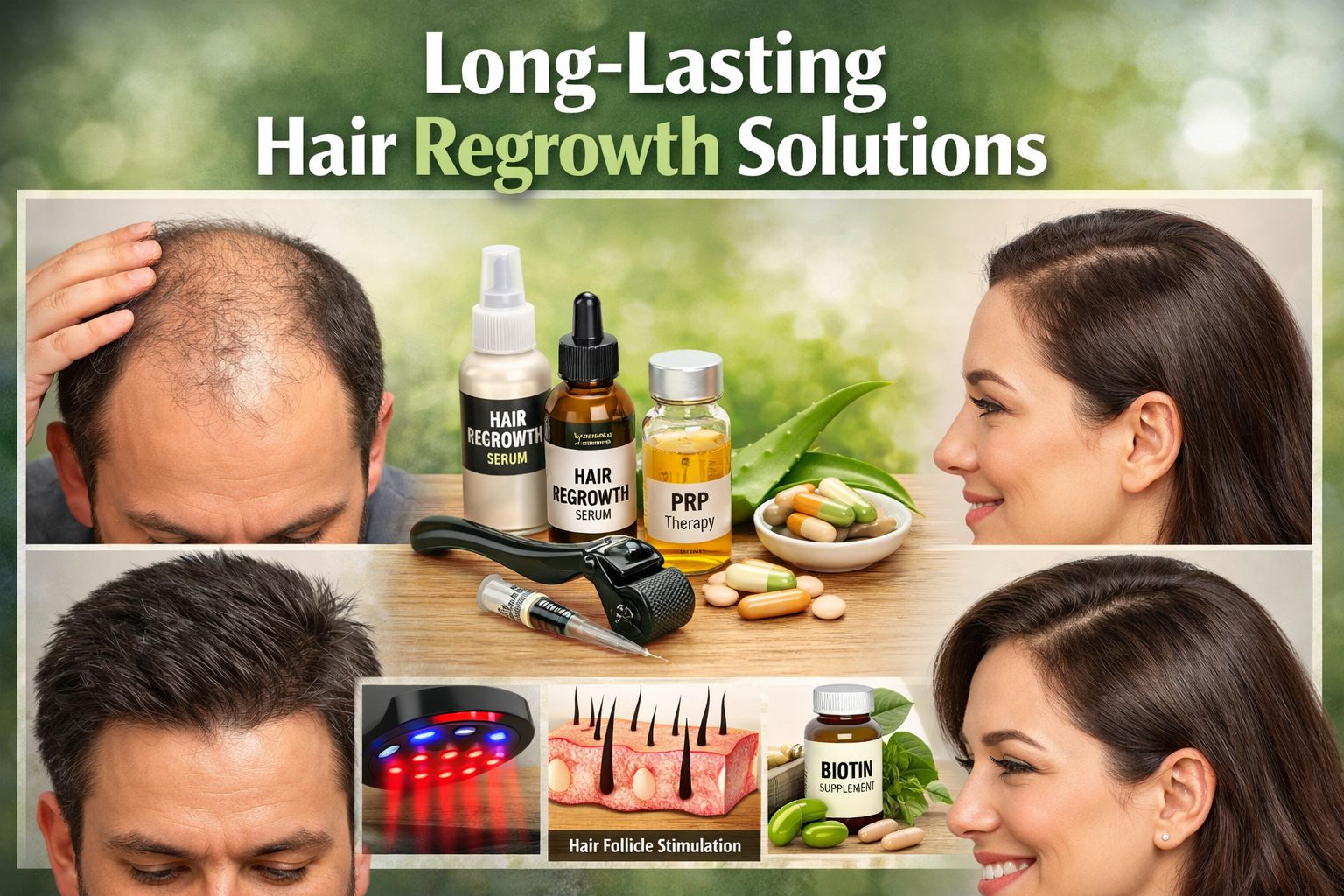
1. Natural Remedies: Gentle but Slow
I started with what felt safest—natural solutions.
Coconut oil massages. Castor oil treatments. Aloe vera. Onion juice (yes, I really tried that, and yes, the smell was unforgettable).
At first, it felt comforting. There was something calming about massaging oil into my scalp, taking time for myself, slowing down.
Did it work?
A little. My hair felt healthier, shinier, less brittle. But in terms of actual regrowth, the results were slow—almost too subtle to notice at first.
What natural remedies taught me was patience. They’re not magic, but they can support overall hair health. If your hair loss is mild or related to damage, they might be enough.
But if the issue runs deeper, they might not be the full answer.
2. Over-the-Counter Treatments: A Step Forward
Eventually, I moved on to more targeted solutions—products specifically designed for hair growth.
This was where things started to feel more “serious.”
These treatments are often backed by research and designed to stimulate hair follicles or slow down hair loss. And for many people, they can make a noticeable difference.
But here’s the part no one really tells you: consistency is everything.
You don’t use it once and see results. You use it daily. For months. Sometimes longer.
There were days I wanted to quit. Days I forgot. Days I felt like nothing was changing.
But then, slowly, almost quietly, I noticed something: less hair falling in the shower. Tiny new strands near my hairline. Small wins that didn’t shout—but whispered.
3. Supplements: Feeding Hair from Within
At some point, I realized I had been focusing entirely on the outside.
What about the inside?
Hair health is deeply connected to nutrition. If your body lacks certain vitamins or minerals, your hair can be one of the first places it shows.
So I started paying attention to what I was eating—and what I might be missing.
Supplements became part of my routine. Not as a quick fix, but as support.
And something shifted.
Not overnight. Not dramatically. But gradually, my hair felt stronger. Less fragile. More resilient.
It made me realize that sometimes, the solution isn’t about adding more products—it’s about giving your body what it needs to do its job.
4. Lifestyle Changes: The Unexpected Game-Changer
If I’m being honest, this was the part I underestimated the most.
Stress.
I didn’t think it affected me that much—until I noticed the timing. The periods when my hair loss worsened often lined up with stressful moments in my life.
Deadlines. Lack of sleep. Emotional strain.
Hair, it turns out, listens to your life more than you think.
So I made small changes:
- Going to bed earlier
- Taking breaks from screens
- Walking more
- Letting myself rest without guilt
These changes didn’t feel directly related to hair growth—but somehow, they were.
Because healing isn’t always about adding something new. Sometimes it’s about removing what’s hurting you.
5. Professional Treatments: When You Need Extra Help
There came a point when I asked myself: Should I seek professional help?
For some people, this is the turning point.
Dermatologists and hair specialists can offer treatments that go beyond what you can do at home. They can also help identify underlying issues that might not be obvious.
And perhaps more importantly—they provide clarity.
Instead of guessing, you get guidance.
I realized that choosing the right hair growth solution isn’t about pride or independence. It’s about being honest with yourself about what you need.
So… Which Hair Growth Solution Is Right for You?
If you’re looking for a single, simple answer, I wish I could give you one.
But the truth is—it depends on your story.
That’s something I didn’t understand at the beginning.
The “right” solution isn’t the most popular one. It’s not the most expensive one. It’s not the one with the best marketing.
It’s the one that fits your cause, your lifestyle, and your patience.
Here’s a way to think about it:
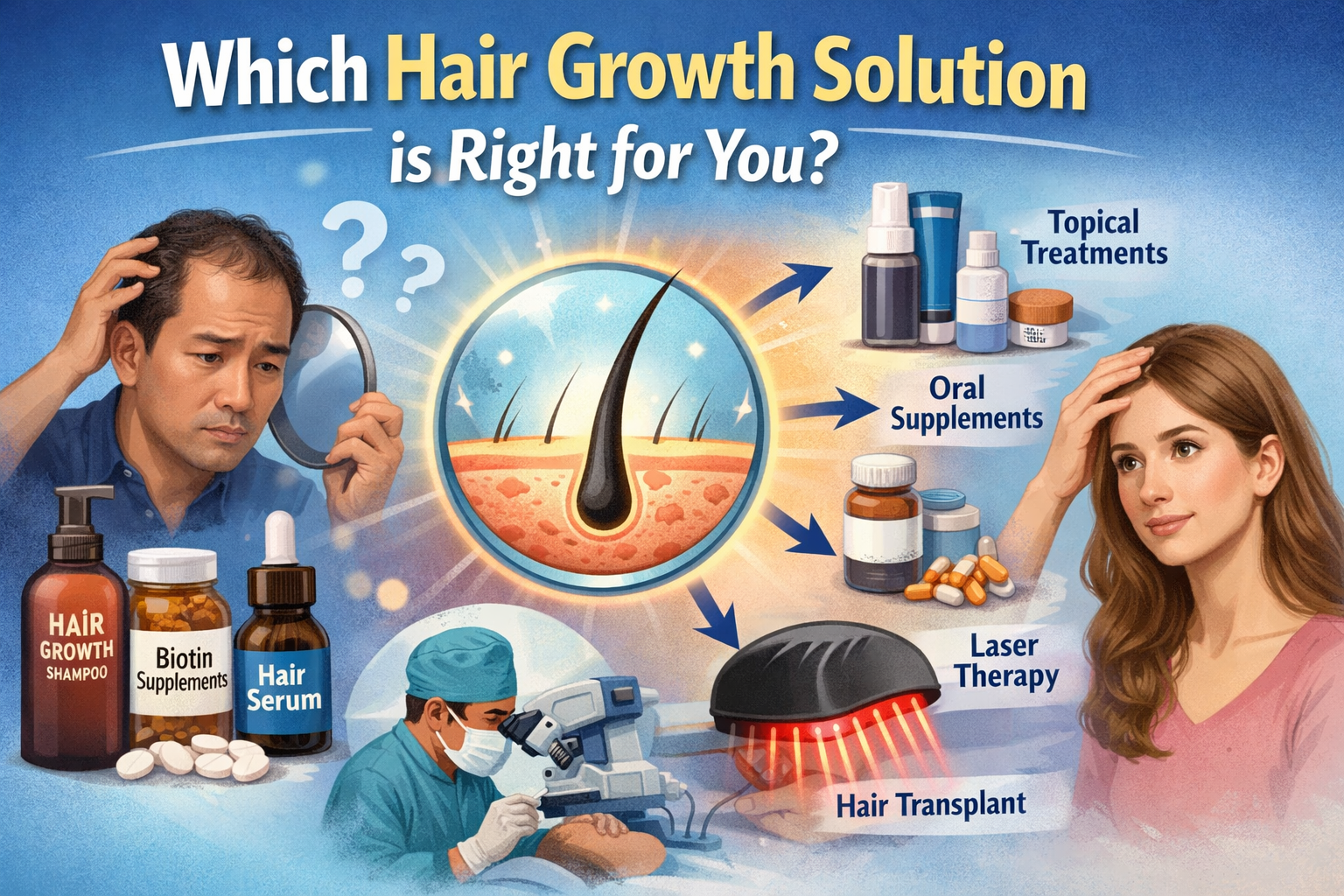
- If your hair loss is mild and related to damage → Start with natural care and gentle routines
- If you’re noticing consistent thinning → Consider targeted treatments and stay consistent
- If your diet or health might be a factor → Focus on nutrition and internal support
- If things feel unclear or severe → Seek professional guidance
But most importantly—don’t rush.
The Lesson I Didn’t Expect
Looking back, this journey wasn’t just about hair.
It taught me how to listen—to my body, my habits, my stress, my needs.
It taught me patience in a world that constantly demands quick results.
And maybe the most surprising lesson of all?
Your worth doesn’t shrink with your hairline.
Yes, taking care of your hair matters. Yes, wanting to feel confident is valid.
But you are not defined by how thick your hair is.
A Quiet Kind of Progress
These days, when I look in the mirror, I still notice my hair.
But I notice something else too.
Growth.
Not just in strands—but in understanding.
My hair didn’t magically transform overnight. There was no dramatic before-and-after moment.
Instead, it was a series of small changes. Subtle improvements. Quiet progress.
And somehow, that made it more real.
Final Thoughts
If you’re at the beginning of your own journey, standing in front of the mirror and wondering what to do next, here’s what I’d say:
Start simple. Stay consistent. Be patient.
And don’t chase every solution—choose the one that makes sense for you.
Because the right hair growth solution isn’t just about getting your hair back.
It’s about finding your balance again.
And that’s something worth growing.