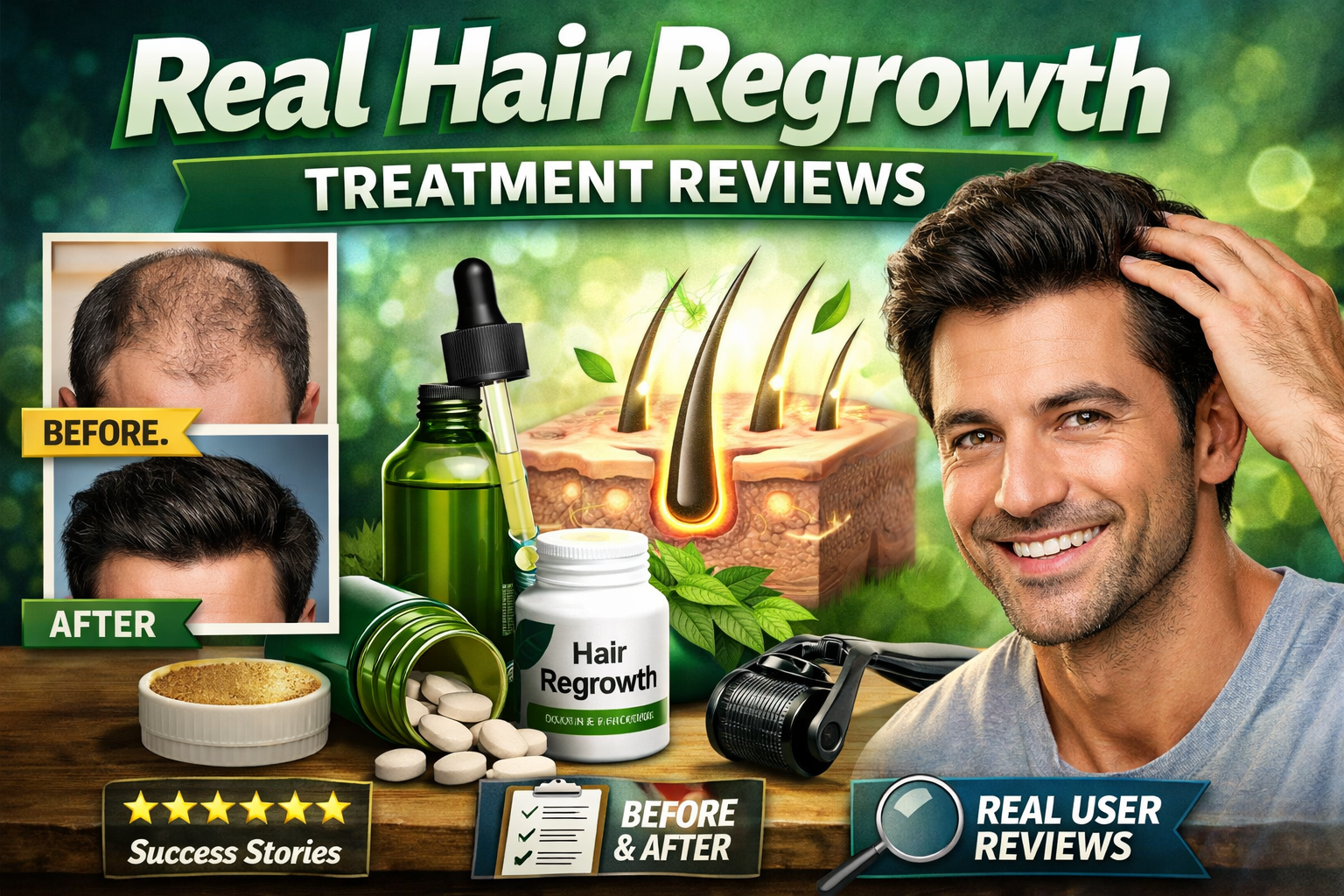
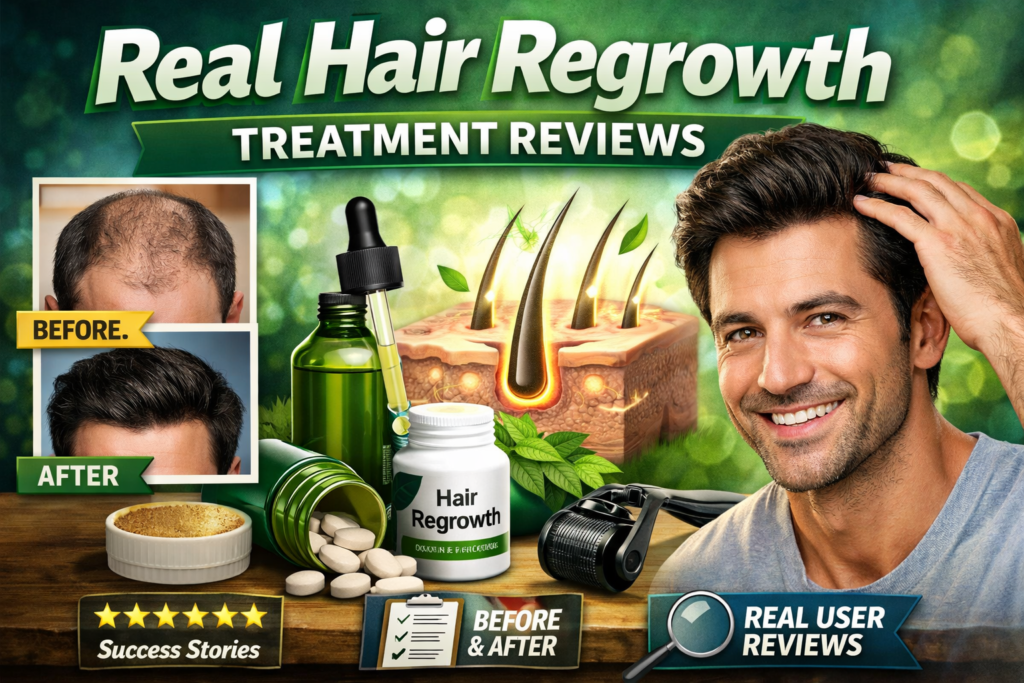
Real Hair Regrowth Treatment Reviews
I still remember the exact moment I realized my hair was thinning. It wasn’t dramatic—no sudden clumps falling out in the shower, no shocking bald patches overnight. It was quieter than that. Subtle. The kind of change you only notice when you’re not looking for it.
One morning, I caught my reflection under harsh bathroom lighting. My hairline looked… different. Not drastically receded, but softer, less defined. My part seemed wider too, like it had slowly been stretching without asking for permission. At first, I convinced myself it was just the lighting. Maybe I was overthinking it.
But over the next few weeks, I couldn’t unsee it.
That’s when the late-night searches began.
The Beginning of the Search
Typing “real hair regrowth treatment reviews” into a search bar feels like opening a door into a very crowded room. Everyone is talking at once. Some swear they’ve found a miracle cure. Others insist nothing works. And somewhere in between, there are people like me—just trying to figure out what’s real and what’s marketing.
I didn’t want false hope. I wanted honesty.
So I started reading—not just product pages, but forums, personal blogs, long Reddit threads where people shared month-by-month progress. What I quickly learned is that hair regrowth isn’t a one-size-fits-all story. It’s messy, slow, and deeply personal.
And yet, patterns started to appear.
Minoxidil: The First Real Option
If you’ve ever looked into hair regrowth, you’ve probably come across Minoxidil. It’s everywhere. Foam, liquid, different percentages—marketed under various brand names.
At first, I was skeptical. Anything that popular tends to feel overhyped. But the more I read, the more I realized something important: Minoxidil wasn’t a miracle—it was consistent.
People weren’t claiming overnight transformations. Instead, they talked about small changes over time. Tiny baby hairs appearing along the hairline. Slight thickening after three or four months. Realistic expectations.
I decided to try it.
The first few weeks were… discouraging. I experienced what many reviews had warned about: shedding. More hair seemed to fall out than before. It felt counterintuitive—like I was making the problem worse.
But I kept going.
Around the three-month mark, I noticed something different. Not dramatic, not headline-worthy—but real. The shedding slowed. My hair didn’t feel as fragile. And those tiny, almost invisible hairs started appearing where my hairline had thinned.
It wasn’t magic. But it was progress.
Natural Oils and DIY Remedies
Before committing fully to clinical treatments, I also explored the “natural” route. Coconut oil, castor oil, rosemary oil—you name it, I probably tried it.
There’s something comforting about these remedies. They feel gentle, familiar, almost nostalgic. Like something passed down rather than manufactured.
One night, I mixed a few drops of rosemary oil with a carrier oil and massaged it into my scalp. It became a ritual. Not just about hair, but about slowing down. Taking care of myself in a way that felt intentional.
Did it regrow my hair?
Honestly, not in any dramatic sense.
But it did improve the condition of my scalp. My hair felt softer, less dry. And while I didn’t see significant regrowth from oils alone, I started to understand something important: healthy hair starts with a healthy environment.
These remedies weren’t useless—they just weren’t standalone solutions.
Supplements: Hope in a Capsule
Then came supplements. Biotin, collagen, multivitamins specifically labeled for “hair, skin, and nails.”
I’ll admit, this part felt the most confusing. Reviews were wildly inconsistent. Some people claimed amazing results. Others saw nothing at all.
I tried a well-reviewed supplement for about three months. The changes were subtle. My nails grew faster, my skin looked slightly clearer—but my hair?
It’s harder to say.
I think supplements work best when there’s a deficiency to begin with. If your body is lacking something essential, restoring that balance can help. But if not, they’re not likely to create dramatic regrowth on their own.
Still, I don’t regret trying them. They became part of a broader approach rather than a single solution.
The Emotional Side No One Talks About Enough
Most reviews focus on results—before and after photos, timelines, product comparisons.
But very few talk about how it feels.
Hair loss, even in its early stages, can quietly affect your confidence. You start noticing angles, lighting, mirrors. You adjust how you style your hair. You think about it more than you’d like to admit.
And yet, it’s rarely discussed openly.
Reading real reviews helped with that. Not just because of the information, but because of the honesty. Knowing that other people were going through the same thing made it feel less isolating.
It turned the experience from something embarrassing into something shared.
What Actually Worked (For Me)
After months of experimenting, reading, and observing, here’s what made the biggest difference in my journey:
1. Consistency over intensity
No treatment worked overnight. The key was sticking with something long enough to actually see results.
2. Combining approaches
Minoxidil gave me the most noticeable regrowth, but pairing it with good scalp care and better overall habits made the results feel more stable.
3. Managing expectations
This might be the most important one. Hair regrowth isn’t about going back to exactly how things were—it’s about improving what you have.
Common Myths I Had to Unlearn
Along the way, I also had to let go of a few misconceptions:
- “If it works, it works fast.”
Not true. Most real treatments take months, not weeks. - “Natural means better.”
Natural can be helpful, but it’s not always enough on its own. - “One product will fix everything.”
Hair regrowth is rarely that simple.
The Reality of Real Reviews
If there’s one thing I’ve learned, it’s this: the most valuable reviews aren’t the ones promising perfection. They’re the ones that sound a little uncertain. A little messy. A little human.
Because that’s what this process actually looks like.
Not a straight line. Not a guaranteed outcome. But a series of small steps, small changes, and small wins.
Where I Am Now
I wouldn’t say my hair is “perfect” now. But it’s stronger. Fuller. More resilient than it was when I first noticed the change.
And maybe more importantly, I’ve stopped obsessing over it.
I still care—I still follow my routine—but it no longer feels like a constant worry in the background of my day.
That alone feels like progress.
Final Thoughts
If you’re reading real hair regrowth treatment reviews, you’re probably at the same point I was—looking for answers, trying to separate truth from hype.
Here’s what I’d say:
Be patient with the process. Be skeptical of anything that sounds too good to be true. And most importantly, be realistic—but not hopeless.
Because while there may not be a perfect solution, there are real ones.
And sometimes, that’s enough.