How to Use Essential Oils for Hair Growth — A Personal Journey to Healthier, Stronger Hair
I didn’t always believe in the power of essential oils.
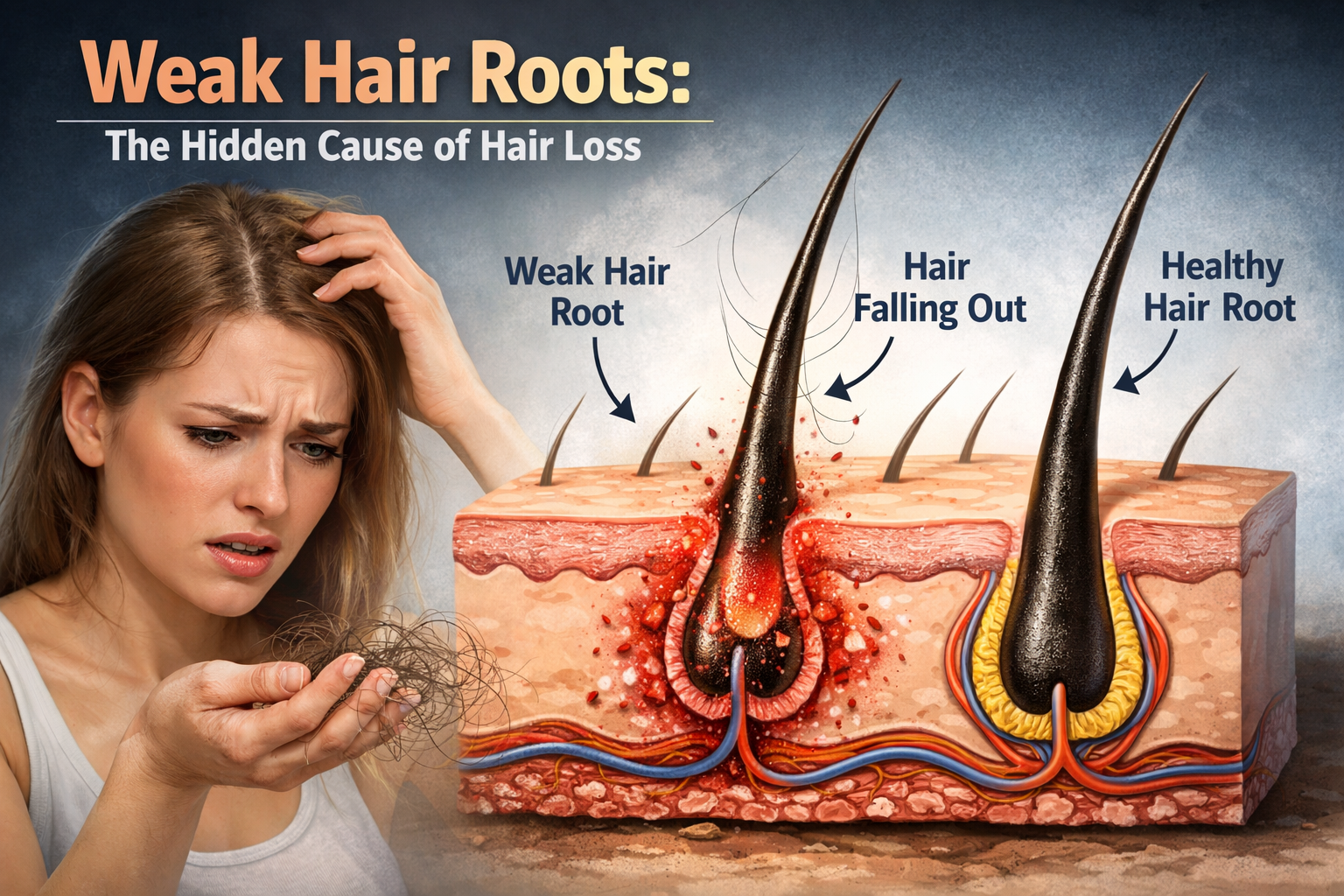
For a long time, my hair care routine was simple—maybe too simple. Shampoo, conditioner, and the occasional hair mask when I remembered. But over time, I started noticing subtle changes. My hair felt thinner, more fragile, and it didn’t grow the way it used to. Strands would gather in my brush, and every time I tied my hair up, I couldn’t ignore how much less volume I had.
That’s when I began searching for something different—something more natural, something gentle but effective. And that’s how I discovered essential oils.
At first, I was skeptical. Could something so small, so concentrated, really make a difference? But as I learned more, experimented, and stayed consistent, I realized that essential oils weren’t just about hair growth—they were about creating a ritual, a connection, and a healthier environment for your hair to thrive.
Let me walk you through what I’ve learned.
Understanding Why Hair Growth Needs Support
Before diving into oils, I had to understand one thing: hair growth doesn’t happen overnight, and it’s not just about what you put on your scalp.
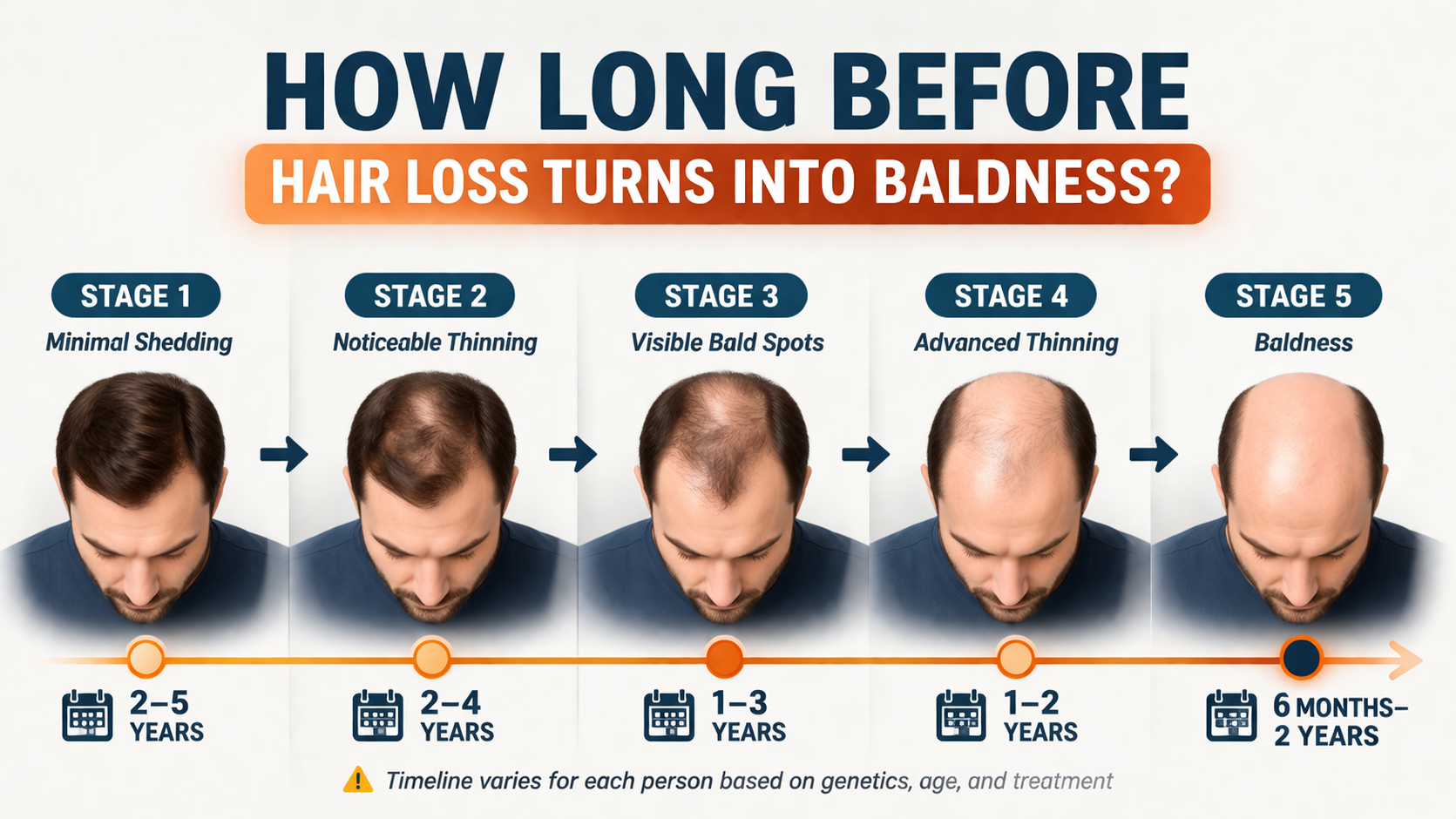
Hair grows in cycles—growth (anagen), rest (telogen), and shedding (catagen). Many of us get stuck in a cycle where hair either grows too slowly or sheds too quickly. Stress, diet, genetics, and scalp health all play a role.
That’s where essential oils come in. They don’t magically force your hair to grow faster overnight. Instead, they support the scalp, improve circulation, reduce inflammation, and create the right conditions for healthy growth.
And honestly, that shift in mindset changed everything for me.
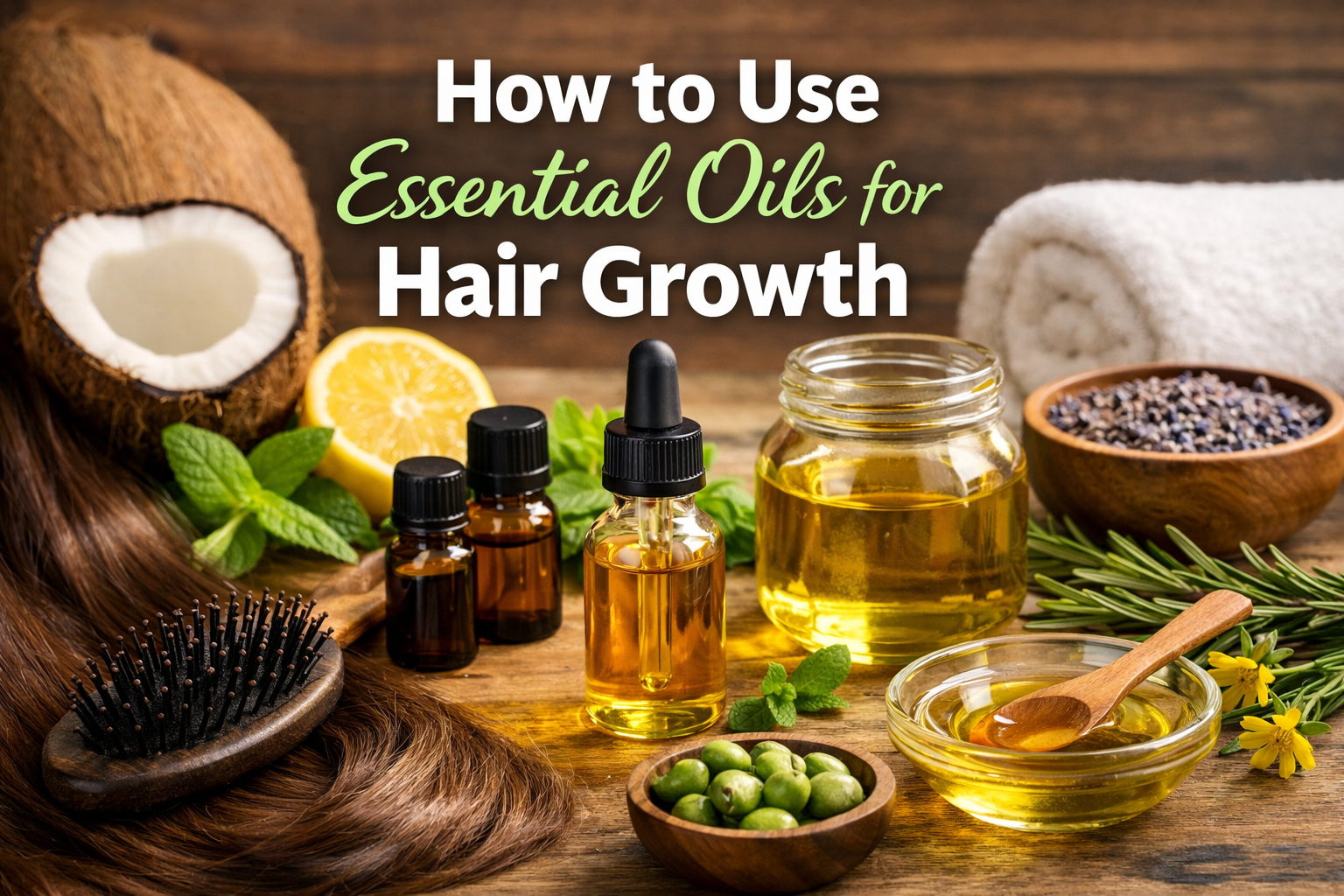
The Essential Oils That Changed My Routine
I didn’t start with a huge collection. In fact, I began with just two oils.
1. Rosemary Oil — The Game Changer
If there’s one oil I would recommend to anyone starting out, it’s rosemary.
I remember reading somewhere that rosemary oil can be as effective as some conventional treatments for hair growth. That caught my attention. But what really convinced me was how it felt.
The first time I massaged diluted rosemary oil into my scalp, there was this gentle tingling sensation—not uncomfortable, just… awakening. Like my scalp was finally being noticed.
Rosemary oil helps improve blood circulation to the scalp. More circulation means more nutrients reaching your hair follicles. Over time, I noticed less shedding and stronger strands.
2. Peppermint Oil — The Refreshing Boost
Peppermint oil feels exactly how it sounds—cool, crisp, and energizing.
I started using it on days when my scalp felt dull or itchy. The cooling sensation is immediate, and it gives you that clean, refreshed feeling that regular shampoo doesn’t always deliver.
But beyond the feeling, peppermint oil helps stimulate hair follicles and may promote thicker growth over time.
Other Oils Worth Exploring
As I got more comfortable, I slowly expanded my collection. Each oil brought something different to the table.
- Lavender Oil: Calming and great for reducing stress-related hair loss
- Cedarwood Oil: Helps balance oil production on the scalp
- Tea Tree Oil: Perfect for keeping the scalp clean and free of buildup
- Castor Oil (Carrier Oil): Thick, nourishing, and excellent for strengthening hair
And that brings me to something important…
Why You Should Never Use Essential Oils Alone
One of the first mistakes I almost made was applying essential oils directly to my scalp.
Don’t do that.
Essential oils are extremely concentrated. Using them without dilution can irritate your skin and actually do more harm than good.
Instead, you need a carrier oil.
Some of my favorites include:
- Coconut oil (light and moisturizing)
- Jojoba oil (very similar to natural scalp oils)
- Argan oil (great for shine and softness)
- Castor oil (thicker, great for growth blends)
My Go-To Hair Growth Oil Blend
After some trial and error, I found a blend that works beautifully for me. It’s simple, but effective.
Ingredients:
- 2 tablespoons coconut oil
- 1 tablespoon castor oil
- 4 drops rosemary essential oil
- 2 drops peppermint essential oil
How I use it:
I warm the mixture slightly by rubbing it between my hands. Then I gently massage it into my scalp using my fingertips—not my nails.
And this part matters more than I expected: I take my time.
Instead of rushing, I spend about 5–10 minutes massaging my scalp in slow, circular motions. It’s relaxing, almost meditative. Sometimes I do it while listening to music or just sitting quietly.
Then I leave it on for at least 30 minutes. On better days, I leave it overnight.
The Power of Scalp Massage
If there’s one habit that made a noticeable difference, it wasn’t just the oils—it was the massage.
Massaging your scalp increases blood flow, which helps deliver oxygen and nutrients to your hair follicles. It also helps distribute natural oils and relieve tension.
There were days when I skipped the oils and just did the massage—and even that helped.
It taught me something important: consistency beats complexity.
Creating a Routine That Actually Sticks
At first, I was overly ambitious. I thought I needed to apply oils every single day.
That didn’t last long.
Life gets busy. School, work, responsibilities—it’s easy to drop habits that feel time-consuming.
So I simplified.
- 2–3 times a week: Oil treatment + massage
- Daily (optional): 2–3 minutes of dry scalp massage
- Weekly: Deep conditioning or hair mask
Once I made it realistic, I was able to stay consistent. And consistency is where the real results come from.
What I Noticed After a Few Weeks
I wish I could say my hair transformed overnight—but that’s not how it works.
The first changes were subtle.
- My scalp felt healthier, less dry
- I noticed less itching and irritation
- Hair shedding reduced slightly
After about 6–8 weeks, the changes became more visible.
- My hair felt thicker when I tied it up
- Baby hairs started appearing around my hairline
- My hair looked shinier and more alive
And maybe the most surprising part: I felt more connected to my routine. It wasn’t just about fixing a problem anymore—it became something I genuinely enjoyed.
Mistakes I Made (So You Don’t Have To)
Looking back, I made a few mistakes early on.
1. Expecting Instant Results
Hair growth takes time. If you expect results in a week, you’ll probably feel disappointed.
2. Using Too Much Oil
More is not better. Using too much oil made my hair greasy and harder to wash out.
3. Being Inconsistent
Skipping weeks at a time slowed everything down. Small, regular effort works better.
A Gentle Reminder About Patience
Hair growth is deeply personal.
What worked for me might not work exactly the same for you. And that’s okay.
Essential oils are not a miracle cure. They’re a supportive tool—a way to nourish your scalp, relax your mind, and build a healthy routine.
Sometimes, the biggest change isn’t just in your hair—it’s in how you take care of yourself.
Final Thoughts
If you’re thinking about trying essential oils for hair growth, start simple.
Pick one or two oils. Use a carrier oil. Massage your scalp. Be consistent.
And most importantly, give it time.
Because in a world that’s always rushing, there’s something powerful about slowing down—even if it’s just for a few minutes, massaging your scalp, taking care of yourself, and trusting the process.
Your hair will thank you for it.