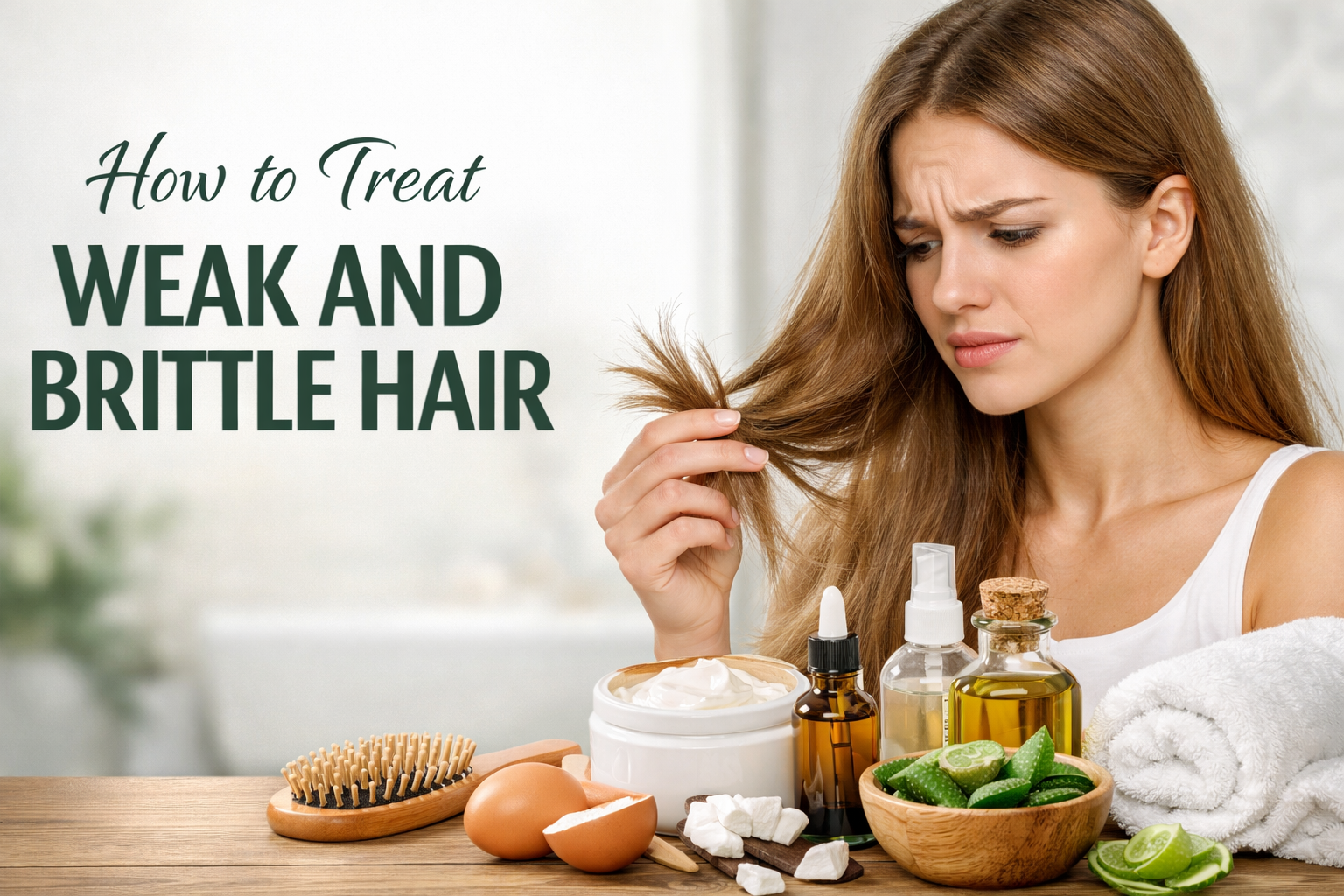
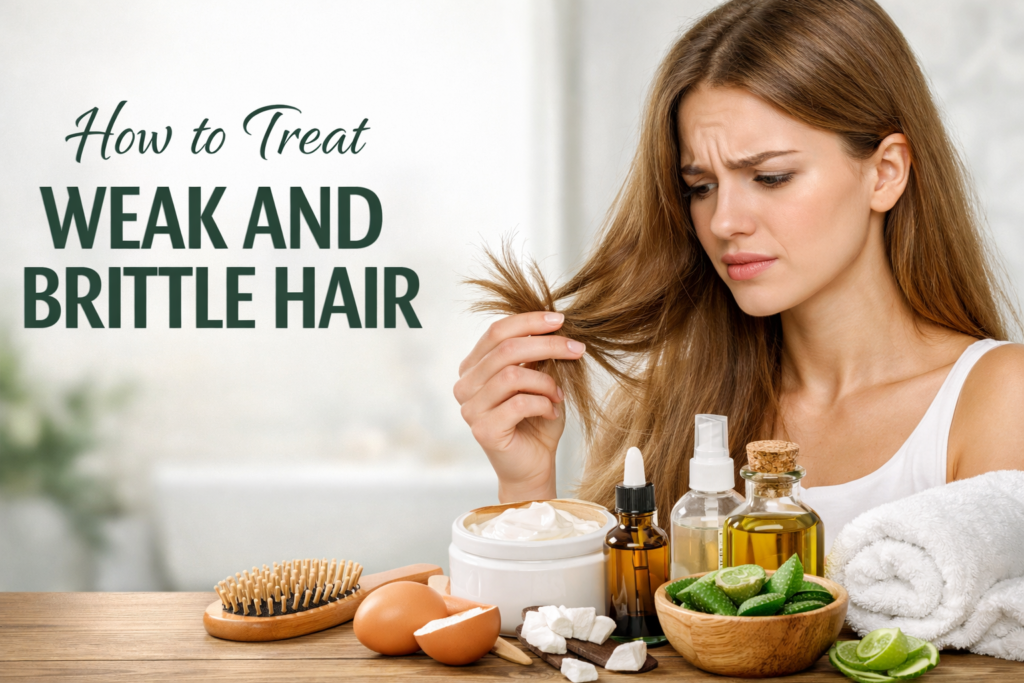
How to Treat Weak and Brittle Hair – A Personal Journey to Healthier Strands
I still remember the first time I noticed something was wrong with my hair. It wasn’t dramatic—no sudden hair loss or alarming patches—but a quiet realization that something had changed. My hair, once soft and manageable, had become dry, fragile, and prone to snapping at the slightest pull. Every time I brushed it, I’d see broken strands clinging to the bristles like tiny reminders that I was doing something wrong.
At first, I ignored it. Life gets busy, and hair problems don’t always feel urgent. But over time, the issue became harder to overlook. My hair refused to grow past a certain length, my ends looked frayed no matter how often I trimmed them, and styling it became a daily struggle. That’s when I decided to take a step back and really understand what was happening—and more importantly, how to fix it.
This is not just a guide. It’s a story of trial, error, patience, and eventually, transformation.
Understanding Weak and Brittle Hair
Before I could fix anything, I had to understand what “weak” and “brittle” hair actually meant.
Weak hair lacks strength. It stretches too easily and breaks under pressure. Brittle hair, on the other hand, snaps quickly because it lacks moisture and flexibility. Think of it like a dry twig—it doesn’t bend; it breaks.
In my case, I had both.
And once I started paying attention, I realized the causes were hiding in my everyday habits.
The Hidden Causes Behind My Hair Damage
I used to believe expensive products would solve everything. But the truth turned out to be much simpler—and a bit uncomfortable.
1. Overwashing My Hair
I used to wash my hair almost every day. It felt clean, fresh, and somehow “right.” But I didn’t realize I was stripping away natural oils that protect and nourish hair.
My scalp became dry, and my strands followed.
2. Heat Styling Without Protection
Blow dryers, straighteners, curling irons—I used them all. And I rarely used heat protectant. At the time, I thought, “It’s just heat. How bad can it be?”
Very bad, as it turns out.
Heat weakens the protein structure of hair, making it more prone to breakage.
3. Poor Nutrition
This one surprised me the most. I hadn’t connected my diet to my hair condition. But hair is made of protein, and it needs vitamins and minerals to grow strong.
My diet? Let’s just say it wasn’t exactly balanced.
4. Tight Hairstyles
I loved sleek ponytails and tight buns. They looked neat and polished—but they were pulling on my roots and stressing my strands.
5. Harsh Products
Sulfates, alcohol-heavy sprays, and cheap shampoos were silently damaging my hair over time.
The Turning Point
One day, after noticing how thin and uneven my hair had become, I decided to stop guessing and start learning. I read, experimented, failed, and tried again.
And slowly, things began to change.
Step-by-Step: How I Repaired My Weak and Brittle Hair
1. I Changed the Way I Washed My Hair
Instead of washing daily, I reduced it to 2–3 times a week.
At first, it felt uncomfortable. My scalp got oily faster than I liked. But over time, it adjusted. My natural oils started doing their job again—protecting and nourishing my hair.
I also switched to a gentle, sulfate-free shampoo.
And one important change: I stopped scrubbing aggressively. Instead, I massaged my scalp gently, treating my hair like something delicate—not something I needed to “clean hard.”
2. Conditioner Became My Best Friend
Before, I used conditioner as an afterthought. Now, it became essential.
I focused on the mid-lengths and ends—where damage is worst. I let it sit for a few minutes instead of rinsing it out immediately.
And once a week, I used a deep conditioning mask.
This was one of the first things that made a visible difference. My hair started to feel softer, more manageable, and less prone to snapping.
3. I Stopped Fighting My Natural Hair
This was harder than it sounds.
I used to force my hair into styles it didn’t naturally want to be in—straight when it was slightly wavy, perfectly smooth when it had texture.
Now, I worked with my hair instead of against it.
Less heat, less stress, less damage.
4. Heat Protection Became Non-Negotiable
I didn’t completely stop using heat tools—but I became smarter about it.
Every time I used heat, I applied a heat protectant first. No exceptions.
And I lowered the temperature. I realized I didn’t need the highest setting to get the results I wanted.
5. I Paid Attention to What I Ate
This part changed more than just my hair.
I started adding more protein—eggs, fish, beans. I made sure I was getting enough vitamins, especially biotin, iron, and vitamin D.
I also drank more water.
It wasn’t an overnight miracle, but over time, my hair grew stronger from the inside out.
6. I Trimmed My Hair Regularly
At first, it felt counterproductive. If I wanted longer hair, why cut it?
But trimming removed split ends, preventing them from traveling up the hair shaft and causing more damage.
Little by little, my hair started to look healthier—even if it wasn’t longer right away.
7. I Switched to Gentle Hair Tools
This might seem small, but it mattered.
I stopped using rough brushes and switched to a wide-tooth comb, especially when my hair was wet.
Wet hair is more fragile, and treating it gently reduced breakage significantly.
8. I Protected My Hair While Sleeping
This was something I had never thought about before.
Cotton pillowcases can cause friction, leading to breakage. So I switched to a silk or satin pillowcase.
It felt like a small luxury—but it made a noticeable difference.
The Emotional Side of Hair Recovery
What no one tells you is that fixing your hair takes time.
There were moments I felt frustrated. Days when my hair still looked dry or uneven despite all my efforts.
But slowly, almost quietly, things improved.
My hair stopped breaking as easily. It felt softer. It started growing again.
And one day, I realized I wasn’t thinking about my hair all the time anymore.
It had become healthy enough that I could simply live my life.
Common Mistakes to Avoid
Looking back, there are a few things I wish I had known earlier:
- Don’t expect instant results. Hair recovery is a slow process.
- Don’t overload on products. More doesn’t always mean better.
- Don’t ignore your scalp. Healthy hair starts there.
- Don’t compare your hair to others. Everyone’s hair is different.
What Truly Made the Difference
If I had to summarize everything into a few key lessons, it would be this:
- Be gentle with your hair
- Be consistent with your care
- Be patient with your progress
There was no single miracle product. No overnight fix.
Just small, consistent changes that added up over time.
Where I Am Now
Today, my hair isn’t perfect—and I don’t expect it to be.
But it’s strong. It’s healthy. And most importantly, it feels like mine again.
I no longer fear brushing it or styling it. I don’t worry about every strand that falls.
Because I understand it now.
And that made all the difference.
Final Thoughts
If you’re struggling with weak and brittle hair, know this: it’s fixable.
Not instantly. Not magically. But realistically.
Your hair reflects how you treat it—both externally and internally.
So start small. Change one habit. Then another.
And give yourself time.
Because sometimes, the best transformations don’t happen overnight—they happen quietly, day by day, until one day, you look in the mirror and realize something has changed.
Not just your hair—but your relationship with it.