How to Reactivate Dormant Hair Follicles: A Personal Journey Toward Hair Revival
I still remember the exact morning when I first noticed it.
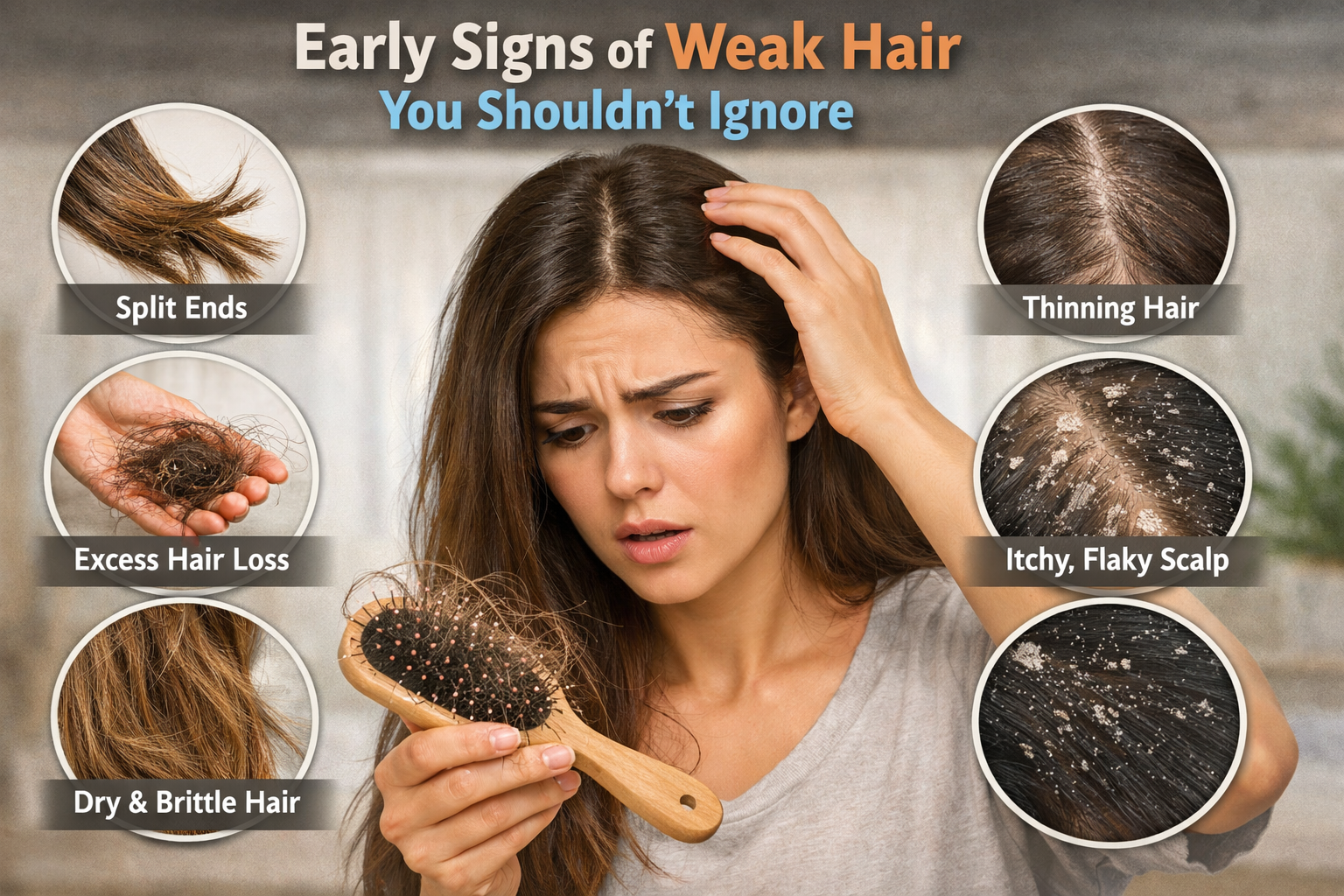
It wasn’t dramatic. No clumps of hair falling into my hands, no sudden bald patches. Just a quiet, unsettling realization as I stood in front of the mirror, running my fingers through my hair. It felt thinner. Lighter. Almost as if something was… missing.
At first, I brushed it off. “It’s just stress,” I told myself. “It’ll grow back.” But weeks turned into months, and the subtle thinning didn’t reverse itself. Instead, it slowly became more noticeable. My hairline seemed to retreat ever so slightly, and the volume I once took for granted was fading.
That’s when I went down the rabbit hole: researching hair loss, hair growth cycles, and—most importantly—dormant hair follicles.
Understanding Dormant Hair Follicles
Before trying to fix the problem, I had to understand it.
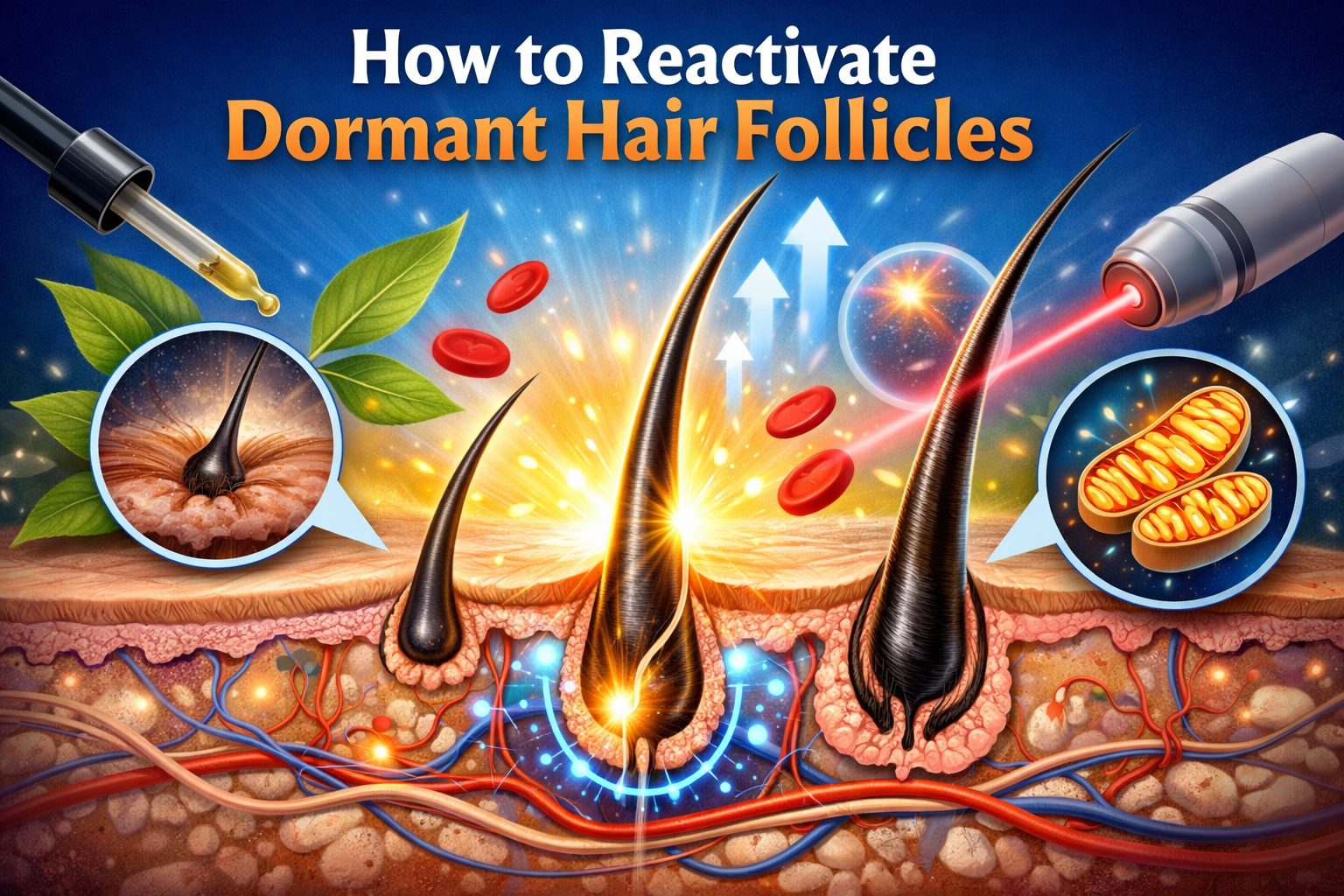
Hair doesn’t just grow continuously. It goes through cycles—growth (anagen), transition (catagen), rest (telogen), and shedding (exogen). Normally, these cycles keep your hair renewing itself. But sometimes, follicles get stuck in a prolonged “resting” phase.
That’s what people often refer to as dormant hair follicles.
The key thing I learned is this:
Dormant doesn’t always mean dead.
A follicle can remain inactive for months—even years—before it either reactivates or shuts down permanently. That realization gave me hope. Maybe my hair wasn’t gone. Maybe it was just… asleep.
What Causes Hair Follicles to Go Dormant?
As I dug deeper, I realized there wasn’t just one cause. It’s usually a combination of factors, and in my case, several of them applied.
1. Stress and Lifestyle
Looking back, the timing made sense. I had been going through a stressful period—late nights, poor sleep, irregular meals. Stress hormones like cortisol can disrupt the hair growth cycle, pushing follicles into the resting phase.
2. Poor Scalp Health
I had never really thought about my scalp before. Shampoo, rinse, done. But the scalp is like soil—if it’s not healthy, nothing grows well. Oil buildup, clogged pores, and lack of circulation can all contribute to follicle inactivity.
3. Nutritional Deficiencies
I wasn’t eating terribly, but I wasn’t exactly nourishing my body either. Hair needs nutrients like iron, biotin, zinc, and protein. Without them, follicles struggle to stay active.
4. Hormonal Changes
Even subtle hormonal shifts can impact hair growth. This can be due to age, stress, or other internal factors.
The Turning Point: Changing My Approach
At some point, I stopped searching for a “magic cure.”
Instead, I asked a better question:
How can I create the best possible environment for my hair to grow again?
That shift changed everything.
Instead of chasing quick fixes, I focused on consistent habits—small changes that, over time, made a noticeable difference.
Step 1: Stimulating Blood Flow to the Scalp
One of the simplest things I started doing was scalp massage.
At first, it felt almost too basic to work. But I stuck with it.
Every night, I spent about 5–10 minutes gently massaging my scalp with my fingertips. No fancy tools, no pressure—just slow, circular motions.
What I didn’t realize at the time was how important blood flow is. Hair follicles need oxygen and nutrients, delivered through the bloodstream. Poor circulation can leave them undernourished.
After a few weeks, I noticed something subtle: my scalp felt more “alive.” Less tight. More responsive.
Later on, I added oils like coconut oil and castor oil during massage sessions. Not because they’re magical, but because they help reduce friction and may support scalp health.
Step 2: Cleaning Without Over-Stripping
I used to think that washing my hair more often would keep it healthier.
Turns out, I was wrong.
Over-washing can strip natural oils, leaving the scalp dry and irritated. On the flip side, under-washing can lead to buildup that clogs follicles.
Finding the balance was key.
I switched to a gentler shampoo and reduced my washing frequency to a few times a week. I also paid more attention to how my scalp felt instead of following a rigid schedule.
It’s funny—something as simple as listening to your own body can make such a difference.
Step 3: Feeding My Hair From Within
This was probably the hardest change, but also the most impactful.
Instead of relying on supplements alone, I focused on real food:
- Eggs for protein and biotin
- Leafy greens for iron
- Nuts and seeds for healthy fats
- Fish for omega-3s
I didn’t overhaul my diet overnight. I made small, sustainable changes.
And slowly, I began to notice improvements—not just in my hair, but in my energy levels too.
Step 4: Reducing Stress (Without Ignoring Reality)
If someone had told me to “just relax,” I would’ve rolled my eyes.
Stress isn’t something you can simply switch off.
But I learned to manage it better.
I started going on short walks without my phone. I tried journaling. Sometimes I just sat in silence for a few minutes each day.
These moments didn’t eliminate stress, but they reduced its intensity.
And over time, I believe that helped my body shift back into a healthier rhythm—including my hair growth cycle.
Step 5: Being Patient (The Hardest Part)
This was, without a doubt, the most challenging lesson.
Hair doesn’t grow overnight.
Even when follicles reactivate, it can take months before you see visible results. At times, I felt like nothing was happening.
But then, one day, I noticed tiny, fine hairs along my hairline.
They were barely visible, but they were there.
That moment felt like a quiet victory.
What Actually Helped Reactivate My Hair Follicles?
Looking back, there wasn’t a single breakthrough moment. It was the combination of consistent habits:
- Improving scalp circulation
- Maintaining a clean, balanced scalp environment
- Supporting my body with proper nutrition
- Managing stress
- Giving it time
No miracle product. No overnight transformation.
Just steady progress.
What Didn’t Work (At Least for Me)
I also tried a few things that didn’t make much of a difference:
- Constantly switching products
- Expecting quick results
- Following every trend I saw online
If anything, these slowed me down by adding confusion and inconsistency.
A Realistic Perspective
Here’s something important I had to accept:
Not all dormant follicles can be reactivated.
If a follicle has been inactive for too long or has shrunk significantly, it may not recover. That’s just biology.
But many follicles are simply waiting for the right conditions.
And that’s where your effort matters.
Where I Am Now
My hair isn’t exactly the same as it used to be—and that’s okay.
But it’s healthier. Fuller. Stronger.
More importantly, I feel more in control. Not because I found a perfect solution, but because I understood the process.
Hair growth isn’t just about hair.
It’s about how you take care of your body, your habits, and your mindset.
Final Thoughts
If you’re dealing with thinning hair or suspect dormant follicles, I understand how frustrating it can feel.
It’s easy to panic. Easy to search for quick fixes.
But in my experience, the real progress comes from consistency and patience.
Think of your hair like a garden.
You can’t force it to grow overnight. But if you water it, nourish it, and take care of the soil, growth becomes possible.
And sometimes, that’s all you need—a little patience, and the belief that what seems “gone” might just be waiting for the right moment to come back.