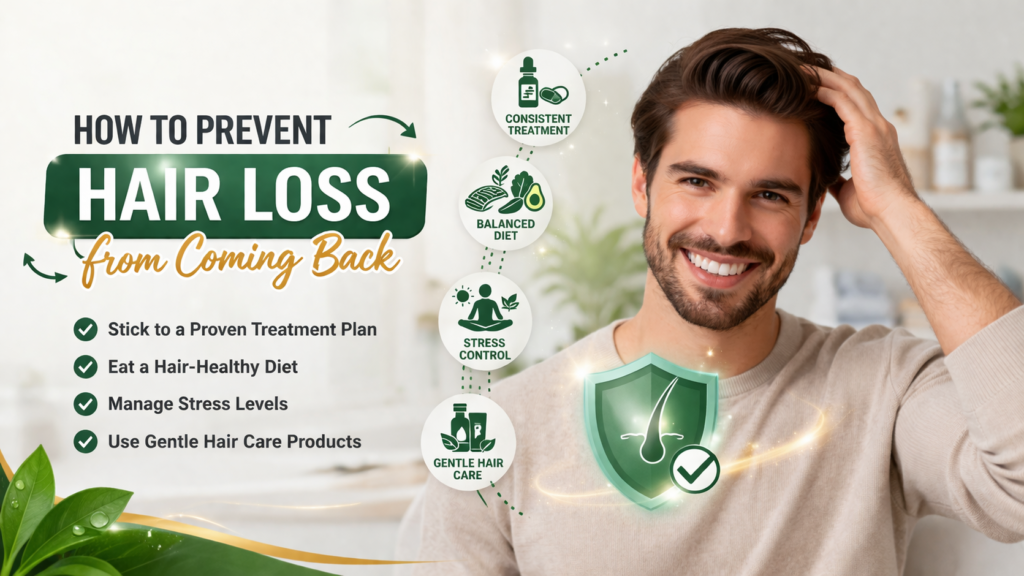
How to Prevent Hair Loss from Coming Back: A Personal Journey Toward Healthier Hair
I still remember the first time I noticed it.
It wasn’t dramatic. No sudden clumps of hair in my hands, no alarming bald patches overnight. It was quieter than that—almost subtle enough to ignore. A few extra strands on my pillow. More hair than usual caught in my comb. The drain in the shower slowly clogging faster than it used to. At first, I told myself it was normal. Everyone sheds hair, right?
But deep down, I knew something had changed.
Over time, that quiet worry grew louder. Every glance in the mirror became a small investigation. Was my hairline receding? Was my part getting wider? I started taking photos, comparing angles, convincing myself it wasn’t as bad as it felt—until I could no longer deny it. Hair loss had become part of my reality.
And once I managed to slow it down and regain some control, a new fear replaced the old one: What if it comes back?
That question is what led me on a deeper journey—not just to stop hair loss, but to understand how to prevent it from returning for good.
Understanding Why Hair Loss Happens in the First Place
Before I could figure out how to prevent hair loss from coming back, I had to understand why it happened to me.
Hair loss isn’t just one thing. It’s a combination of factors, often working together quietly in the background. Stress, diet, hormones, genetics, sleep, scalp health—each plays a role, and ignoring even one of them can bring the problem back.
For me, it wasn’t just genetics, even though that’s what I initially blamed. It was a mix of stress from school, inconsistent eating habits, and poor sleep. I realized that hair loss was less about my hair—and more about my overall lifestyle.
That realization changed everything.
Lesson 1: Hair Health Starts from Within
One of the biggest mistakes I made early on was focusing only on external solutions. I tried different shampoos, oils, and treatments, hoping something would magically fix the problem.
Some of them helped—but only temporarily.
The real shift happened when I started paying attention to what I was putting into my body.
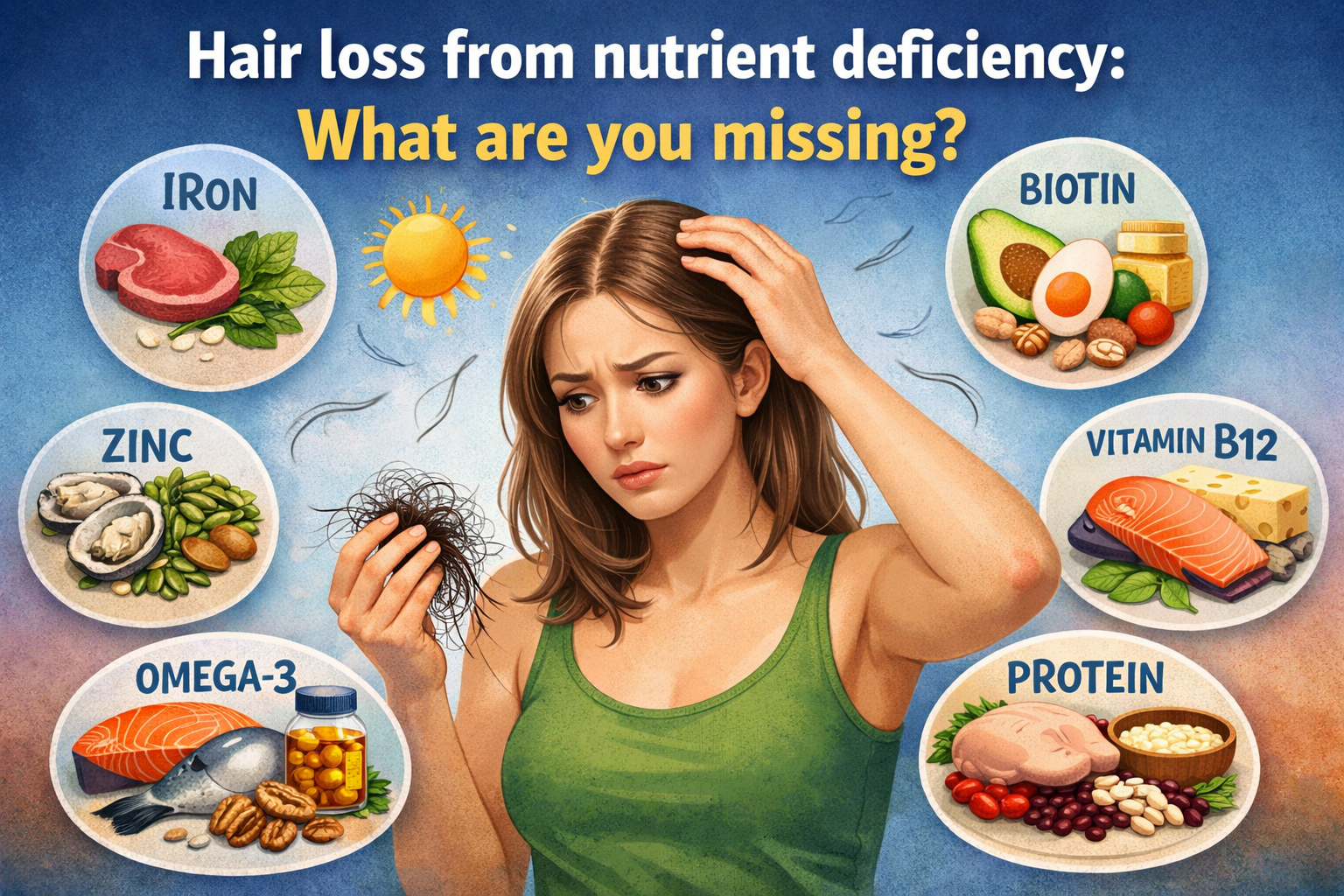
Hair is made mostly of protein, and it relies on nutrients like iron, zinc, biotin, and vitamins to grow strong. When your body doesn’t get enough of these, it prioritizes more essential functions over hair growth. That’s when shedding begins.
I began making small, consistent changes:
- Eating more protein-rich foods like eggs, fish, beans, and nuts
- Including leafy greens and fruits in my daily meals
- Drinking more water than I used to
- Avoiding extreme dieting or skipping meals
These weren’t dramatic changes overnight. But over time, I noticed something important: my hair felt stronger. Not just in appearance, but in how it behaved—less breakage, less shedding.
And more importantly, it stayed that way.
Lesson 2: Stress Is a Silent Trigger
If there’s one thing I underestimated, it was stress.
I used to think stress only affected your mood or sleep. I didn’t realize how deeply it could impact physical health—including hair.
There were periods when my hair seemed fine, and then suddenly, shedding would increase again. When I looked back, those periods always matched times when I was overwhelmed—exams, deadlines, personal pressure.
Stress disrupts the hair growth cycle, pushing more hairs into the shedding phase. And the tricky part? The effects don’t show up immediately. Hair loss can appear weeks or even months after the stressful period.
That made it harder to connect the dots.
So I started taking stress management seriously—not perfectly, but intentionally.
- Taking breaks without guilt
- Spending time doing things I enjoyed
- Getting outside more often
- Talking to friends instead of bottling things up
I didn’t eliminate stress completely—that’s impossible. But I learned how to respond to it better. And slowly, the pattern of sudden hair shedding started to fade.
Lesson 3: Consistency Matters More Than Quick Fixes
At one point, I was obsessed with finding a “perfect solution.”
I would jump from one product to another, trying whatever promised faster results. Oils, serums, special shampoos—I tried more than I can remember.
Some worked briefly. Most didn’t.
What I eventually learned is that hair health doesn’t respond well to inconsistency. It thrives on routine.
Instead of constantly switching, I simplified everything:
- A gentle shampoo that didn’t irritate my scalp
- Regular but not excessive washing
- Minimal heat styling
- Being careful with how I brushed or tied my hair
And then I stuck with it.
That consistency gave my hair the stability it needed to recover—and more importantly, to stay healthy long-term.
Lesson 4: Your Scalp Is Just as Important as Your Hair
This was something I had never thought about before.
I used to focus entirely on the hair itself—how it looked, how it felt. But I ignored the scalp, which is where everything begins.
A healthy scalp creates the right environment for hair to grow. If the scalp is irritated, oily, dry, or clogged, it affects the hair follicles.
I started paying attention to how my scalp felt:
- Was it itchy?
- Was it too oily or too dry?
- Did it feel clean after washing?
I also began gently massaging my scalp when washing my hair—not aggressively, just enough to improve circulation and keep it clean.
These small habits made a noticeable difference over time. My hair didn’t just look better—it grew in healthier.
Lesson 5: Sleep Is More Powerful Than You Think
This one surprised me the most.
I used to sacrifice sleep often—staying up late scrolling, studying, or just not managing my time well. I didn’t think it mattered much.
But sleep is when your body repairs itself. That includes your hair follicles.
When I started getting more consistent sleep—nothing perfect, just better than before—I noticed subtle changes:
- Less shedding
- Better energy levels
- Improved overall health
It’s not something you see instantly, but over weeks and months, it becomes clear that sleep plays a major role in preventing hair loss from returning.
Lesson 6: Be Patient with the Process
This was the hardest lesson of all.
Hair growth is slow. There’s no way around it.
Even after doing everything “right,” it took time to see results. And sometimes, I would panic at every small sign of shedding, afraid that everything was starting again.
But I learned that some hair fall is normal. Not every strand lost means something is wrong.
The key is to look at patterns, not isolated moments.
Are you losing significantly more hair over time?
Is your hair becoming thinner overall?
Or is it just part of the natural cycle?
Understanding this helped me stay calm and consistent instead of reacting out of fear.
So, How Do You Prevent Hair Loss from Coming Back?
Looking back, I realized that preventing hair loss isn’t about one solution—it’s about maintaining a lifestyle that supports your body and your hair.
If I had to summarize everything I learned, it would be this:
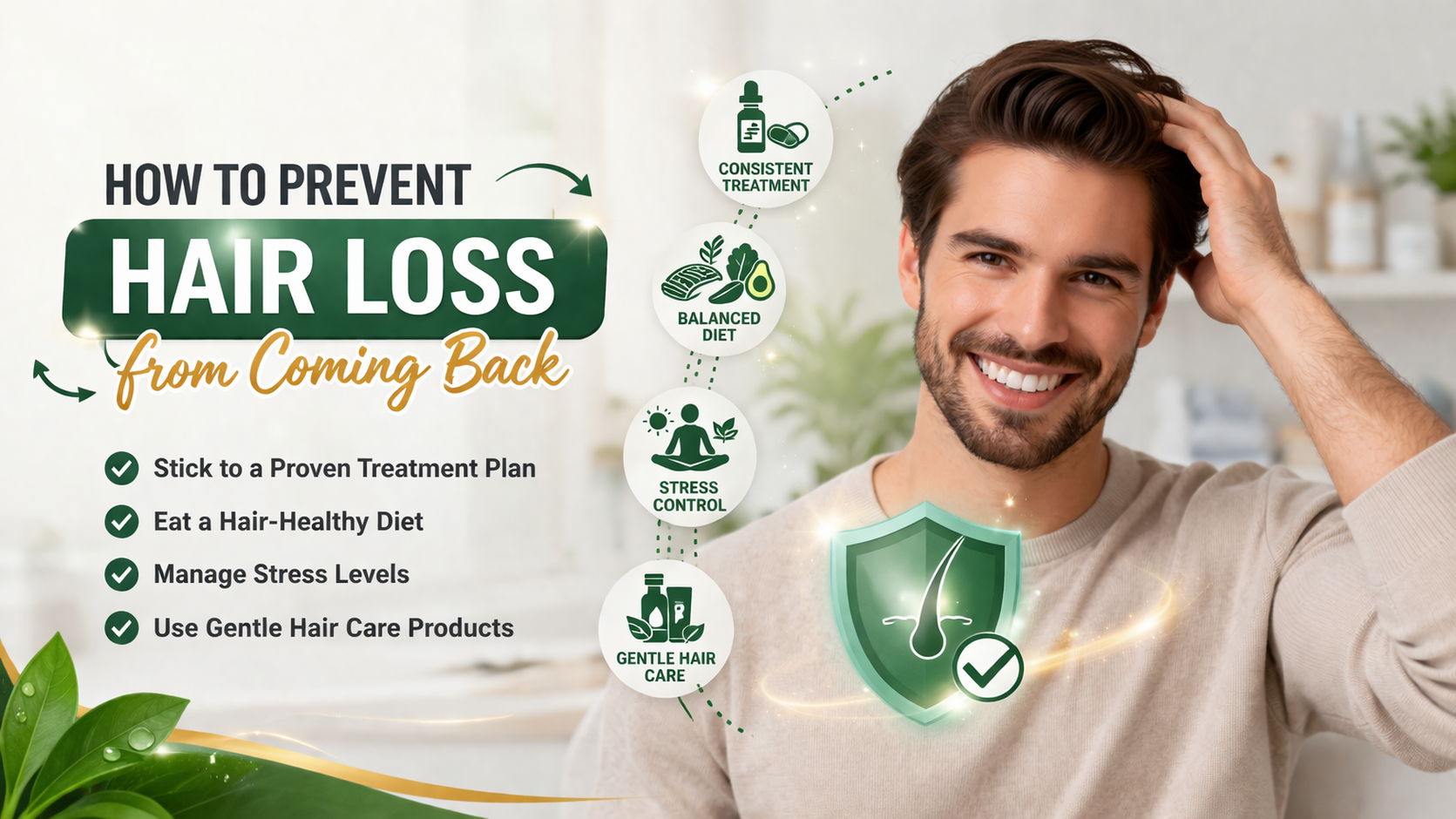
- Take care of your nutrition
- Manage stress in realistic ways
- Stick to simple, consistent hair care routines
- Pay attention to your scalp health
- Get enough sleep
- Be patient and avoid panic
Hair loss often comes back when we return to old habits—skipping meals, ignoring stress, neglecting sleep, or constantly changing routines.
The goal isn’t perfection. It’s awareness.
A Final Thought
If you’re reading this because you’re afraid your hair loss might return, I understand that feeling deeply.
It’s not just about appearance. It’s about control, confidence, and the quiet fear of losing something important again.
But here’s what I’ve learned:
Hair loss doesn’t come back out of nowhere. It usually follows patterns—patterns you can recognize and influence.
You don’t need to control everything. You just need to take care of the basics, consistently.
And over time, that consistency becomes your strongest protection.
Not just against hair loss—but for your overall well-being.
If you want, I can also:
- Add SEO optimization (keywords, headings)
- Adjust tone (more professional, more casual, more emotional)
- Or rewrite this in Vietnamese
Just tell me 👍