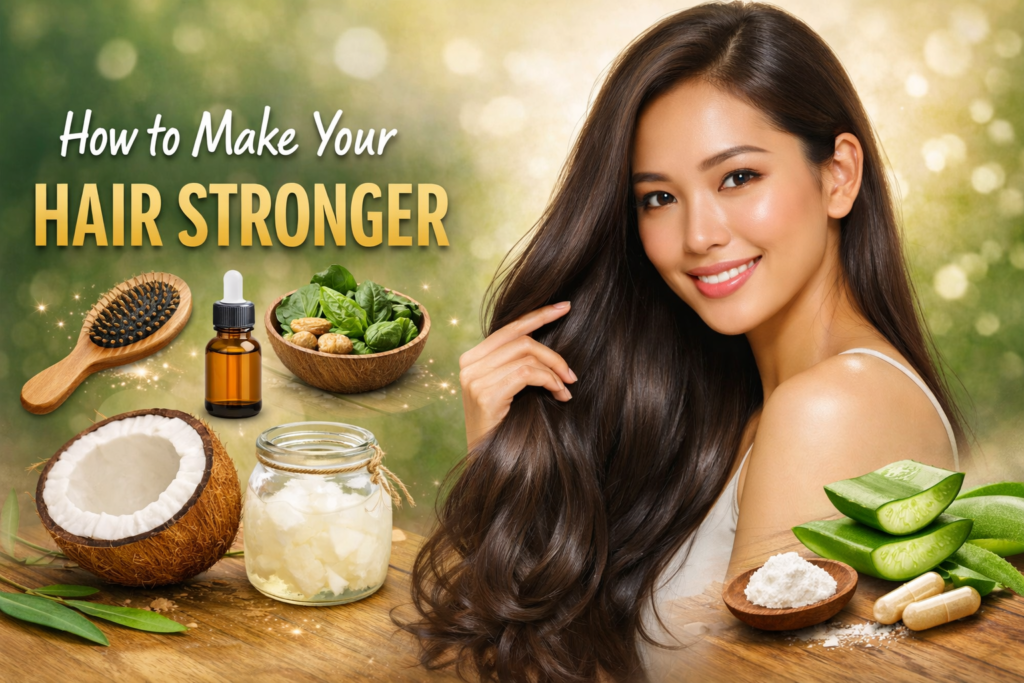
How to Make Your Hair Stronger – A Personal Journey to Healthier Hair
I didn’t always care about my hair. For the longest time, it was just… there. Something I brushed in a hurry before school, tied up when it got annoying, or hid under a hoodie on bad days. But everything changed one morning when I noticed how much hair I was leaving behind on my pillow. At first, I brushed it off—literally and mentally. “It’s normal,” I told myself. But deep down, I knew something wasn’t right.
That moment marked the beginning of my journey to stronger, healthier hair. And if you’re here reading this, maybe you’re at the start of your own.
The Wake-Up Call
It wasn’t just the hair on my pillow. It was the strands clogging the shower drain, the way my ponytail felt thinner, and how brittle my ends looked under the light. I remember running my fingers through my hair and feeling how weak it had become—like it could snap at any moment.
I started asking myself questions I had never considered before. Was it my diet? My habits? The products I was using? Or maybe it was stress?
At first, I tried quick fixes. Fancy shampoos, trending oils, and DIY masks I found online. Some helped a little, but nothing truly changed—until I realized something important: stronger hair doesn’t come from one miracle product. It comes from consistent care and understanding your body.
Understanding Hair Strength
Before I could fix anything, I had to understand what “strong hair” actually means.
Strong hair isn’t just about thickness or shine. It’s about resilience. It’s about how well your hair can handle brushing, styling, heat, and even environmental damage without breaking.
Hair is made mostly of a protein called keratin. That means your hair’s strength is directly linked to how well your body supports protein production and overall health.
Once I learned this, everything shifted. I stopped chasing quick results and started focusing on building strength from the inside out.
Step One: Nourish from Within
This was the hardest change for me—but also the most important.
I used to skip meals, snack on junk food, and barely drink water. I didn’t realize how much that affected my hair. When your body lacks nutrients, it prioritizes vital organs—not your hair. That means your hair gets whatever is left… which often isn’t enough.
So I started small.
I added more protein to my meals—eggs, fish, beans, and nuts. I didn’t go extreme; I just made sure I had something nourishing every day.
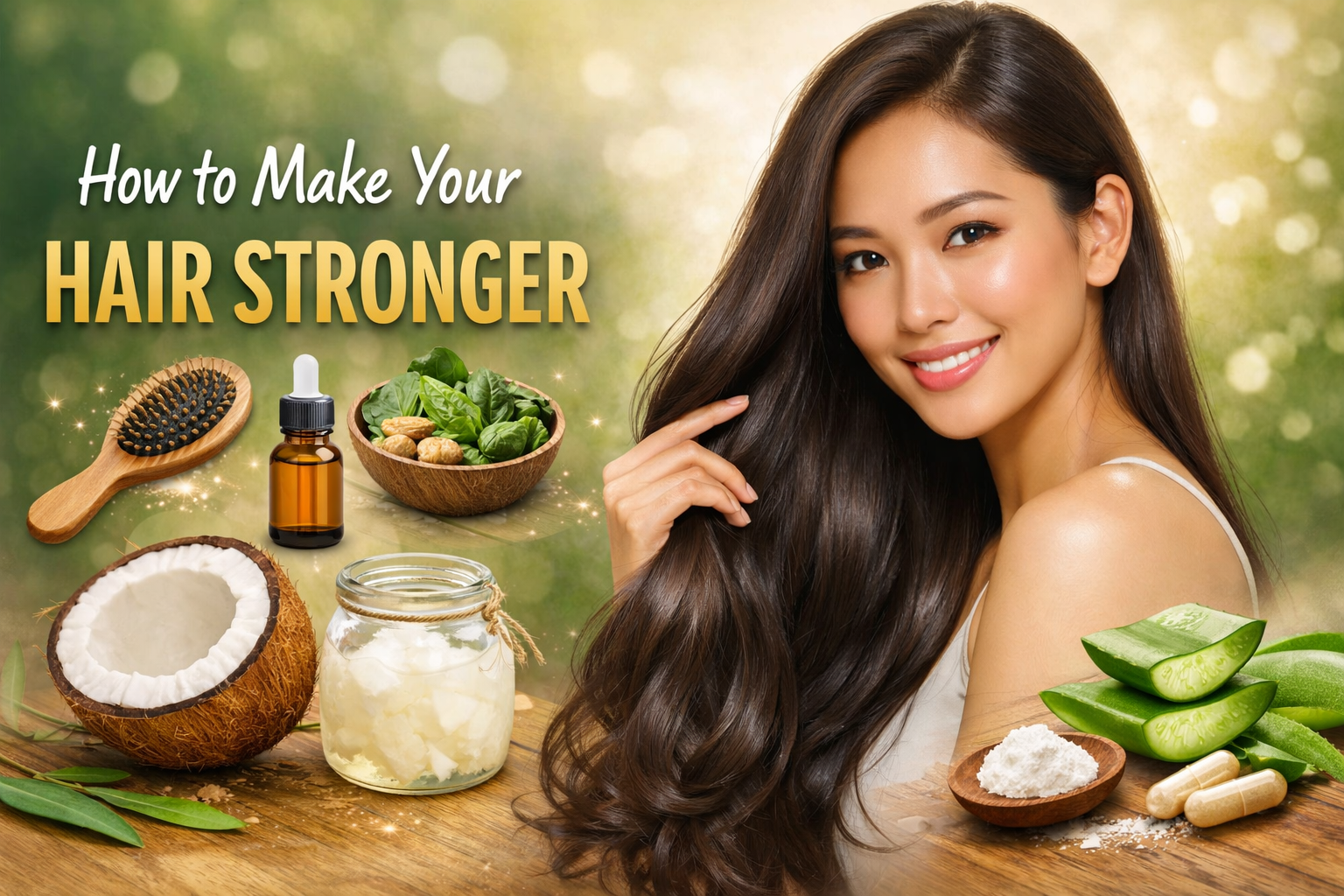
Then came vitamins. I learned that nutrients like biotin, iron, zinc, and vitamins A, C, and E play a big role in hair health. Instead of relying only on supplements, I tried to get these from real foods:
- Spinach and leafy greens
- Fruits like oranges and berries
- Whole grains
- Seeds and nuts
And water—something so simple, yet so powerful. Staying hydrated made a noticeable difference not just in my hair, but in my skin and energy too.
Over time, I noticed something surprising. My hair didn’t just look better—it felt stronger.
Step Two: Be Gentle with Your Hair
This was a lesson I learned the hard way.
I used to brush my hair aggressively, especially when it was tangled. I didn’t think twice about tying it tightly or using heat tools almost every day. Looking back, I realize I was treating my hair like it was indestructible.
It’s not.
Hair is delicate, especially when wet. That’s when it’s most likely to break. So I changed my habits:
- I started using a wide-tooth comb instead of a harsh brush.
- I gently worked through tangles instead of forcing them out.
- I avoided tying my hair too tightly for long periods.
And heat styling? I didn’t give it up completely, but I reduced it. I also started using heat protection whenever I did style my hair.
At first, it felt like a lot of effort. But soon, it became routine—and my hair thanked me for it.
Step Three: Choose the Right Hair Products
This part was confusing at first. There are so many products out there, all promising amazing results. I fell into that trap—buying things just because they were popular.
But I learned that not all products are right for everyone.
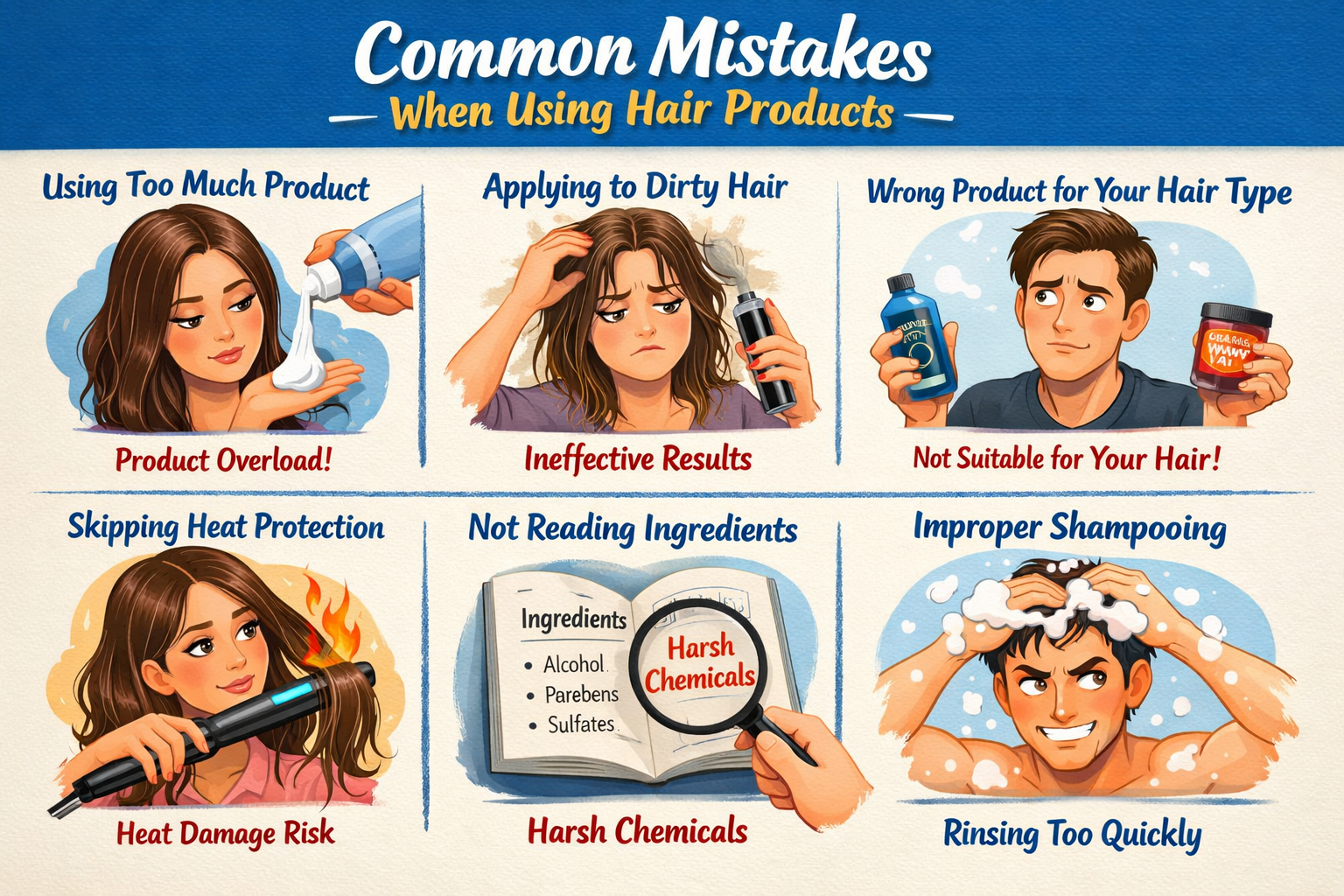
Some shampoos contain harsh ingredients that strip your hair of its natural oils. That can leave your hair dry and more prone to breakage.
So I started paying attention to labels. I looked for gentle, nourishing ingredients and avoided anything too harsh.
I also realized that washing my hair too often was doing more harm than good. Overwashing can dry out your scalp and weaken your hair.
Now, I wash my hair based on what it actually needs—not a strict schedule.
And conditioning? That became non-negotiable. A good conditioner helps protect your hair, making it smoother and less likely to break.
Step Four: Don’t Ignore Your Scalp
For a long time, I focused only on my hair strands. But healthy hair starts at the scalp.
Think of your scalp as the soil and your hair as the plant. If the soil isn’t healthy, the plant won’t thrive.
I began taking better care of my scalp by:
- Keeping it clean but not over-washed
- Gently massaging it to improve circulation
- Using lightweight oils occasionally
Scalp massages became something I actually enjoyed. It was relaxing, and over time, I noticed my hair felt fuller and healthier.
Step Five: Manage Stress
This was the part I didn’t expect.
I noticed that during stressful periods—exams, personal problems, lack of sleep—my hair would fall out more. At first, I thought it was a coincidence. But it wasn’t.
Stress can affect your body in many ways, including your hair.
I couldn’t eliminate stress completely (no one can), but I found ways to manage it:
- Getting enough sleep
- Taking breaks when I felt overwhelmed
- Doing things I enjoyed, even small ones
These changes didn’t just help my hair—they made me feel better overall.
Step Six: Be Patient
This might be the most important lesson of all.
Hair doesn’t change overnight. It grows slowly, and rebuilding strength takes time.
There were moments when I felt frustrated. Times when I expected quick results and didn’t see them.
But I kept going.
And little by little, things improved.
My hair became less brittle. It stopped breaking as easily. It felt thicker when I tied it up. Even the way it moved felt different—healthier, more alive.
What I Learned Along the Way
Looking back, I realize that stronger hair isn’t just about what you put on your hair—it’s about how you treat yourself as a whole.
It’s about:
- Nourishing your body
- Being gentle with yourself
- Building healthy habits over time
There’s no perfect routine, no one-size-fits-all solution. What works for me might not work exactly the same for you—and that’s okay.
The key is to listen to your body and your hair.
If You’re Starting Your Journey
If you’re at the beginning of your journey to stronger hair, here’s what I want you to know:
You don’t need to do everything at once.
Start small.
Drink more water.
Be gentler when you brush your hair.
Pay attention to what your body needs.
Change doesn’t come from one big action—it comes from many small ones repeated over time.
And most importantly, don’t be too hard on yourself. Hair health, like anything else, is a process.
Final Thoughts
Today, when I run my fingers through my hair, it feels different. Not perfect—but stronger. Healthier. More resilient.
And maybe that’s what this journey is really about. Not perfection, but progress.
So if you’ve been struggling with weak or damaged hair, don’t lose hope. With patience, care, and the right habits, you can make your hair stronger.
I know—because I’ve been there.