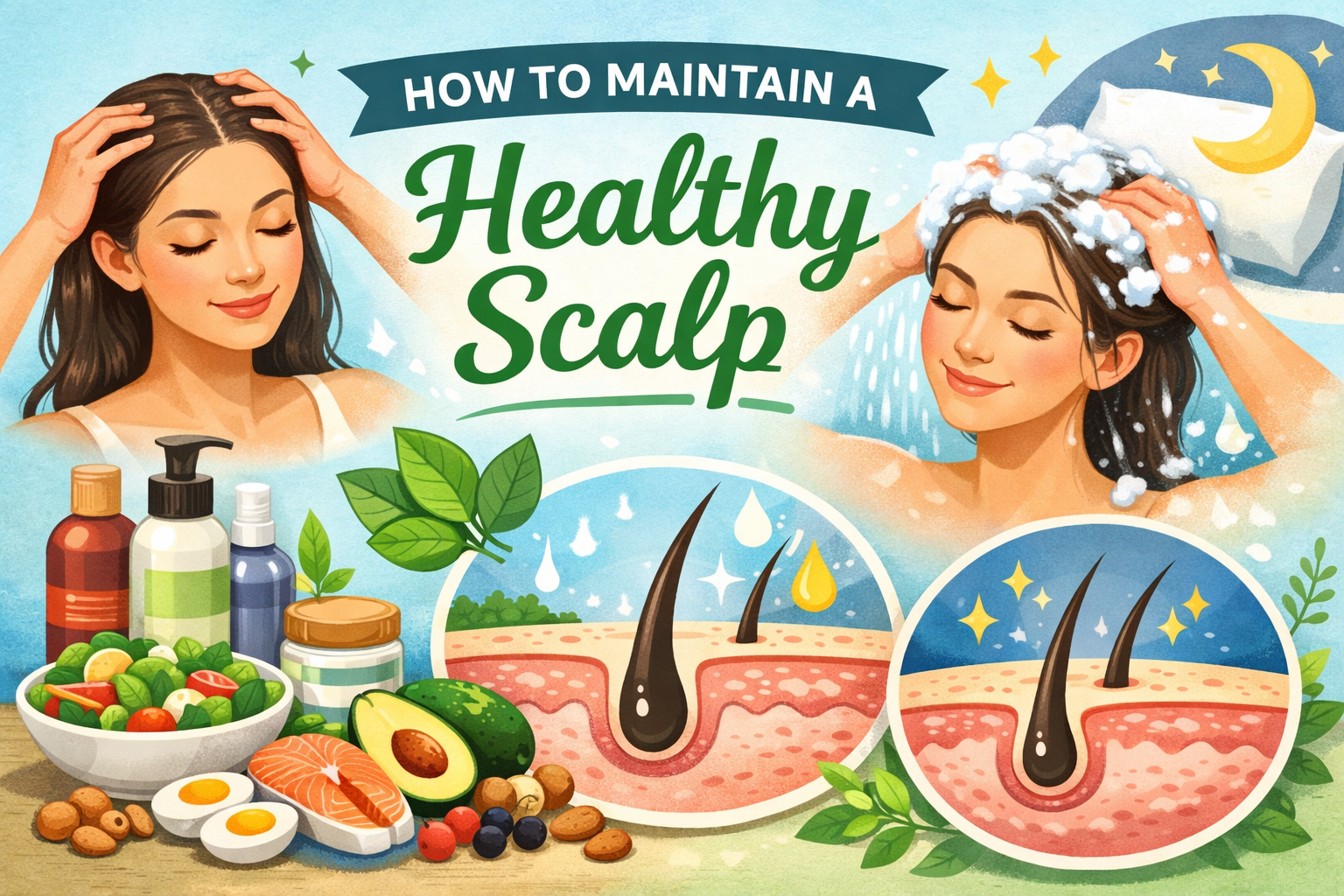
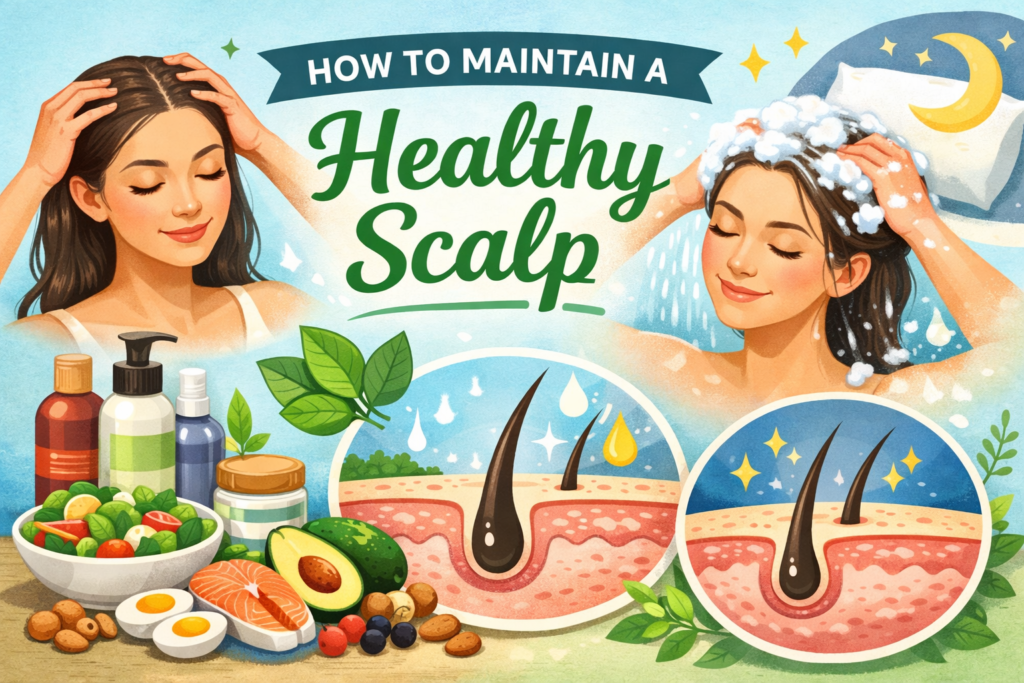
How to Maintain a Healthy Scalp: A Personal Journey to Understanding What Your Hair Truly Needs
I didn’t always think much about my scalp.
Like most people, I focused on what I could see—my hair. Whether it looked shiny, smooth, or styled the way I liked mattered far more than what was happening underneath. If my hair felt dry, I bought conditioner. If it looked flat, I tried a new shampoo. But the scalp? That was just… there.
It wasn’t until I started experiencing constant itchiness and unexpected flaking that I realized something was off. At first, I blamed the weather. Then stress. Then maybe the wrong shampoo. I kept switching products, hoping something would magically fix everything. But nothing really worked—at least not for long.
That’s when I began to understand something simple but often overlooked: healthy hair starts with a healthy scalp.
This blog is not just a list of tips. It’s a story—my story—of learning to pay attention to what my scalp was trying to tell me, and how small, consistent changes made a bigger difference than any miracle product ever could.
Understanding the Scalp: More Than Just Skin
Before I could fix anything, I had to understand what my scalp actually is.
The scalp is skin—but not just any skin. It’s home to thousands of hair follicles, oil glands, and a delicate balance of natural bacteria and oils. It produces sebum, which keeps both your scalp and hair moisturized. Too much of it? Your hair feels greasy. Too little? Dryness and irritation show up fast.
I used to think my scalp problems meant something was “wrong” with me. But the truth is, most scalp issues come from imbalance—not failure. And balance can be restored.
Lesson 1: Not All Shampoos Are Your Friend
For years, I believed that the more foam a shampoo created, the cleaner my hair would be. It felt satisfying—like I was washing away everything bad.
But I later learned that many shampoos, especially harsh ones, strip away natural oils too aggressively. At first, your scalp feels clean. But then it overcompensates by producing more oil, leading to a frustrating cycle: oily roots, dry ends.
When I switched to a gentler shampoo, something surprising happened. My scalp stopped overreacting. It took time—about two weeks—but eventually, my hair felt more balanced.
Now, I choose shampoos based on my scalp condition, not just my hair type.
Lesson 2: Washing Less Can Actually Help
This was one of the hardest habits to change.
I used to wash my hair almost every day because I didn’t like how it felt otherwise. But frequent washing was part of the problem. My scalp never had a chance to regulate itself.
So I started small—washing every other day. Then every two days. It wasn’t always comfortable at first, but over time, my scalp adjusted.
I learned that overwashing can disrupt your scalp’s natural rhythm. Giving it time to breathe can make a huge difference.
Lesson 3: Your Fingertips Matter More Than Your Products
At one point, I had a shelf full of scalp treatments—oils, serums, scrubs. Some helped a little, but none felt like a complete solution.
Then one day, I read about scalp massage.
It sounded too simple to matter. But I tried it anyway—gently massaging my scalp with my fingertips while shampooing, instead of just rubbing product into my hair.
The change was subtle at first. But after a few weeks, I noticed less tension, less itching, and even slightly better hair growth.
Massaging increases blood flow to the scalp, which helps nourish hair follicles. It also helps distribute natural oils more evenly.
Now, it’s a habit I never skip.
Lesson 4: Be Careful What You Put On Your Scalp
I used to experiment a lot—trying DIY treatments I found online. Some worked. Others… not so much.
What I learned is that your scalp can be sensitive, even if your skin elsewhere isn’t. Applying strong or unfamiliar ingredients without understanding them can lead to irritation.
Now, I take a more thoughtful approach:
- I test new products in small amounts first
- I avoid layering too many treatments at once
- I pay attention to how my scalp feels, not just how my hair looks
Sometimes, less really is more.
Lesson 5: Stress Shows Up in Unexpected Ways
This was the hardest lesson to accept.
There were times when my scalp issues seemed to appear out of nowhere. I hadn’t changed my shampoo. My routine was the same. But something still felt off.
Eventually, I realized those periods often lined up with stress—school pressure, lack of sleep, or just feeling overwhelmed.
Your scalp, like the rest of your body, responds to what you’re going through. Stress can affect oil production, sensitivity, and even hair shedding.
I couldn’t eliminate stress completely, but I started managing it better:
- Getting enough sleep
- Taking breaks from screens
- Spending time outside
- Talking to someone when things felt heavy
And surprisingly, my scalp improved along with my mood.
Lesson 6: Diet Isn’t Just About Your Body—It Affects Your Scalp Too
I didn’t expect food to play a role, but it does.
When my eating habits were inconsistent—skipping meals or relying too much on junk food—my scalp felt more sensitive. My hair looked dull.
Once I started eating more balanced meals, including enough water, fruits, and proteins, I noticed gradual changes. Nothing dramatic overnight, but steady improvement.
Your scalp needs nutrients just like the rest of your body. It’s all connected.
Lesson 7: Weather Matters More Than You Think
I used to ignore seasonal changes. But my scalp didn’t.
In colder months, I experienced more dryness and flaking. In hotter weather, oiliness increased.
Instead of sticking to the same routine all year, I learned to adapt:
- Using more moisturizing products in winter
- Choosing lighter formulas in summer
- Protecting my scalp from too much sun
Small adjustments made a big difference.
Lesson 8: Don’t Ignore Persistent Issues
For a long time, I tried to fix everything on my own. I thought scalp issues were something I should be able to manage without help.
But sometimes, problems don’t go away with simple changes. And that’s okay.
If something feels persistent—like ongoing itchiness, redness, or unusual hair loss—it’s worth paying attention to. You don’t have to guess your way through it.
Understanding your scalp is not about being perfect. It’s about being aware.
Lesson 9: Your Scalp Has Its Own Personality
This might sound strange, but I’ve come to see my scalp as having its own “personality.”
Some days it’s calm. Other days it’s sensitive. Sometimes it reacts to things I didn’t expect.
Instead of forcing it to behave a certain way, I’ve learned to listen. To adjust. To be patient.
And that shift—from control to understanding—changed everything.
Building a Simple, Sustainable Routine
After all the trial and error, I realized something important: consistency matters more than complexity.
Here’s what my routine looks like now:
- Gentle shampoo, 2–3 times a week
- Light conditioner (focused on hair, not scalp)
- Regular scalp massage during washing
- Occasional use of a simple scalp treatment when needed
- Paying attention to how my scalp feels, not just how it looks
It’s not complicated. But it works.
Final Thoughts: It’s a Relationship, Not a Fix
If there’s one thing I’ve learned, it’s this: maintaining a healthy scalp isn’t about finding the “perfect” product or routine.
It’s about building a relationship—with your body, your habits, and your environment.
There’s no one-size-fits-all answer. What works for me might not work exactly the same for you. And that’s okay.
The important part is paying attention. Being patient. Making small changes and giving them time to work.
Your scalp doesn’t need perfection. It needs care, consistency, and understanding.
And once you start giving it that, everything else—your hair, your confidence, even your daily routine—begins to feel just a little bit easier.
If you want, I can also rewrite this blog in a more SEO-optimized style or make it sound more casual or more professional depending on your goal.