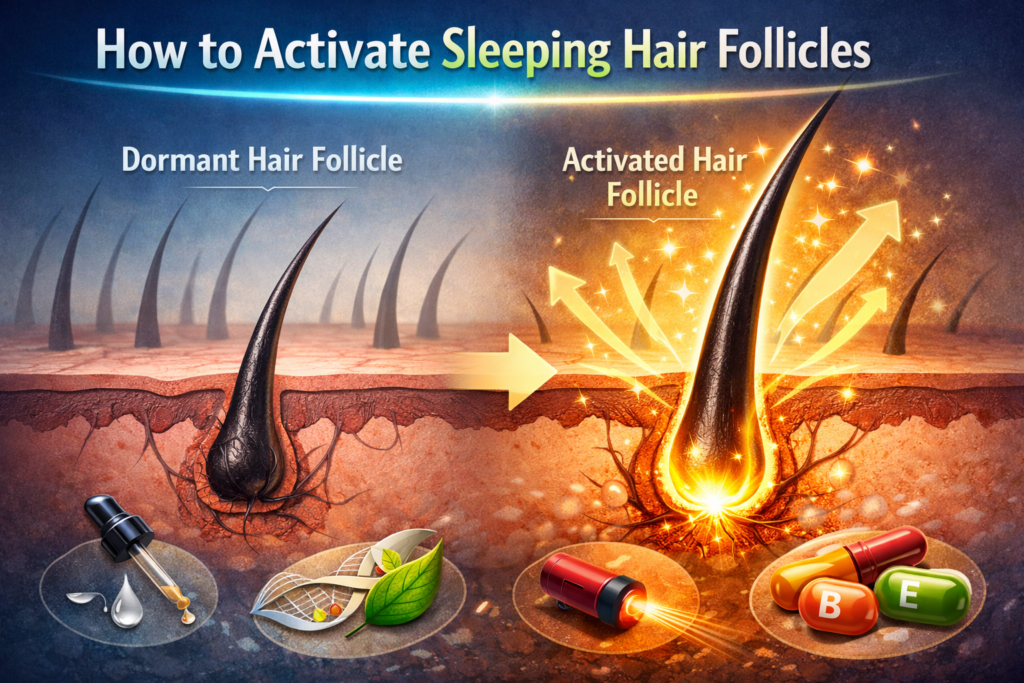
How to Activate Sleeping Hair Follicles: A Personal Journey Back to Growth
There was a time when I didn’t think much about my hair. It was just… there. Thick enough, healthy enough, predictable. I would run my fingers through it absentmindedly while studying, tie it up without looking in the mirror, and complain about the usual things—split ends, frizz on humid days, or how it never seemed to hold a style for long.
But then something changed.
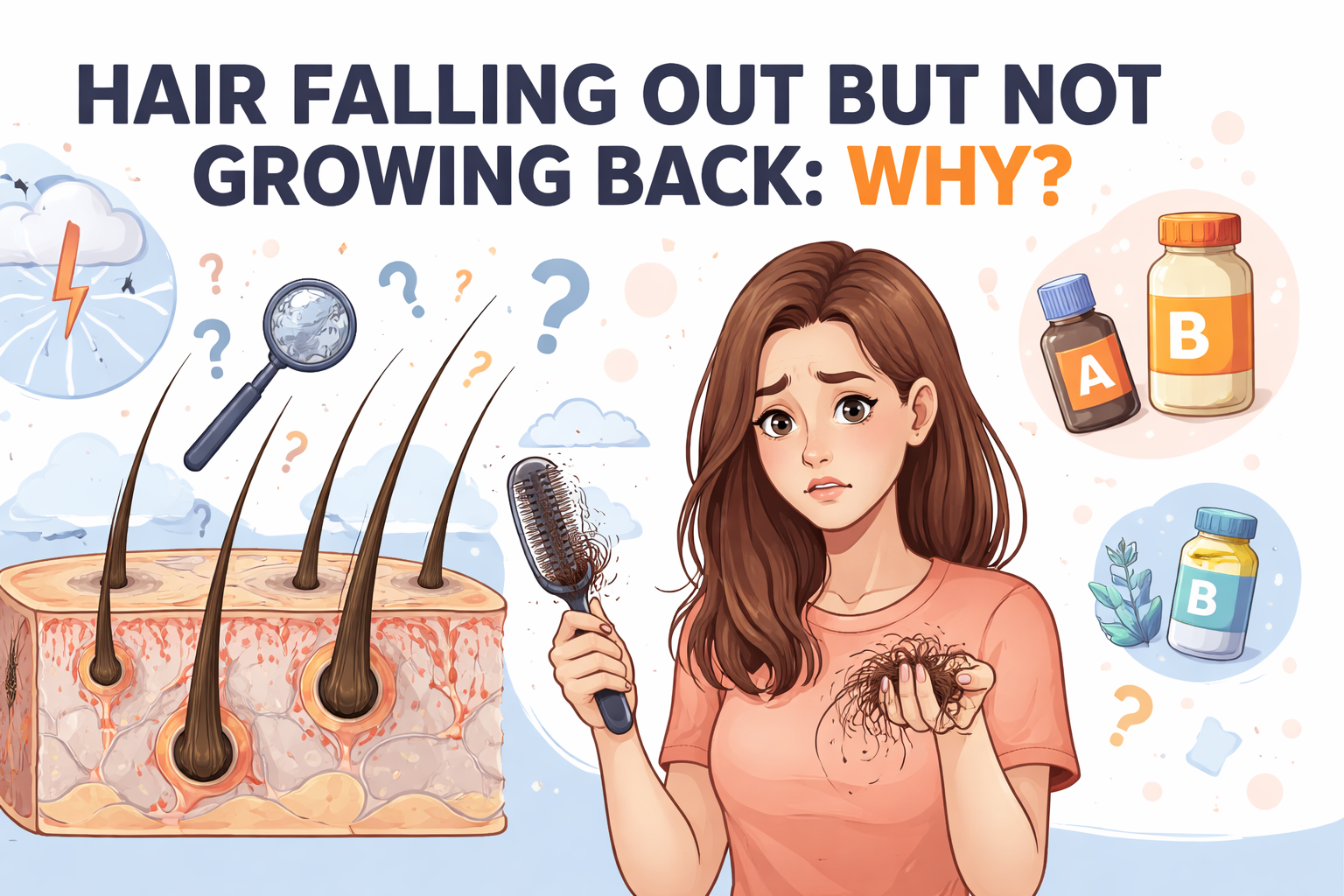
It didn’t happen overnight. It never does. At first, it was just a little more hair on my pillow in the morning. Then a few extra strands circling the shower drain. I told myself it was normal—seasonal shedding, stress from exams, maybe just imagination. But over time, the subtle shift became harder to ignore. My ponytail felt thinner. My part looked wider. And the confidence I once had without even thinking about it began to quietly slip away.
That was when I first heard the phrase: “sleeping hair follicles.”
Understanding What “Sleeping” Really Means
Before trying to fix something, I realized I needed to understand it.
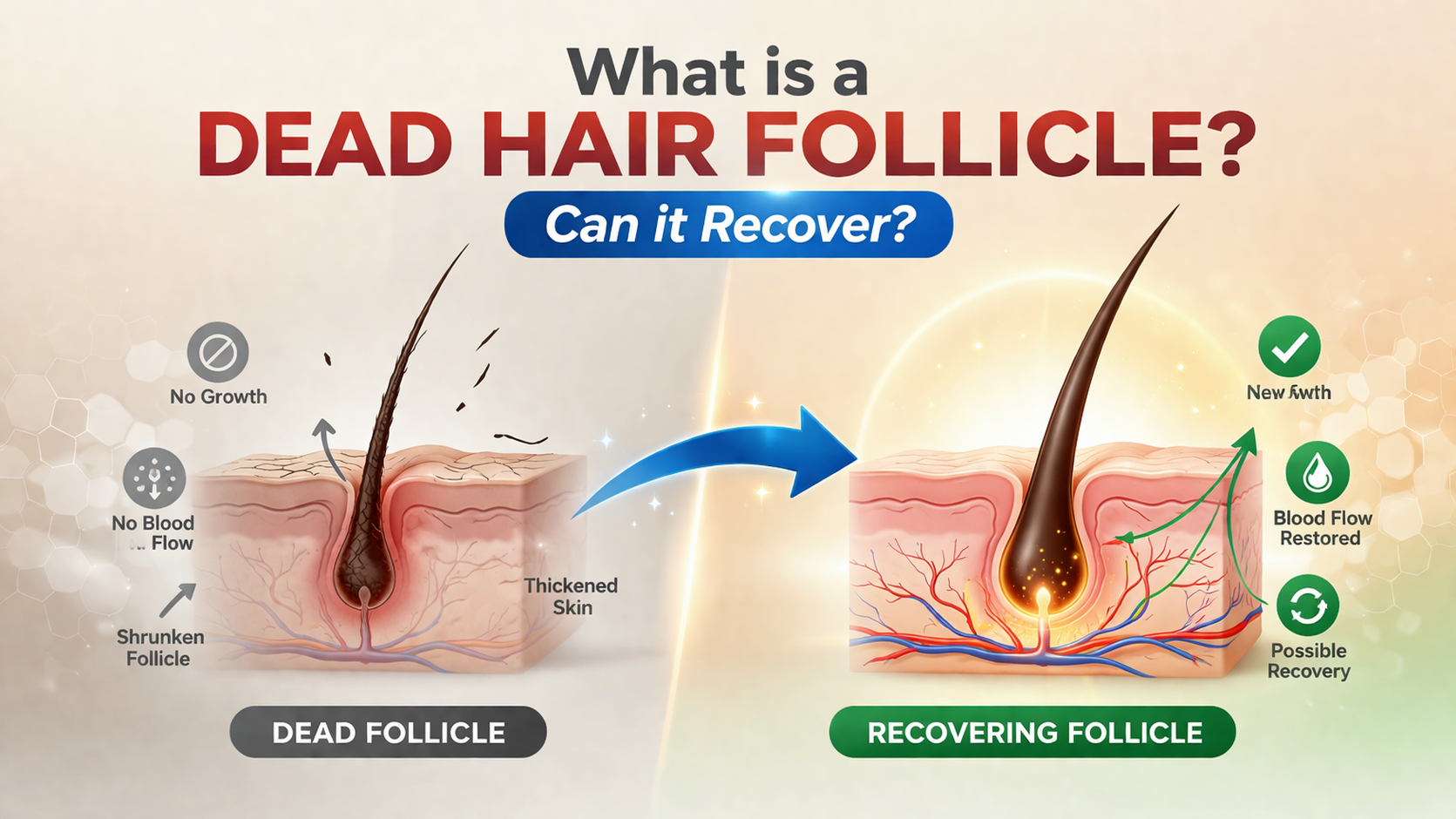
Hair follicles don’t just “die” instantly. In many cases, they enter a resting phase—scientifically known as the telogen phase. This is completely natural. Every strand of hair goes through a cycle: growth (anagen), transition (catagen), and rest (telogen). After resting, the hair sheds and a new one grows in its place.
But sometimes, those follicles don’t wake back up as quickly as they should.
They linger in that resting state. Dormant. Quiet. Invisible.
And when too many follicles stay asleep for too long, that’s when we start noticing thinning.
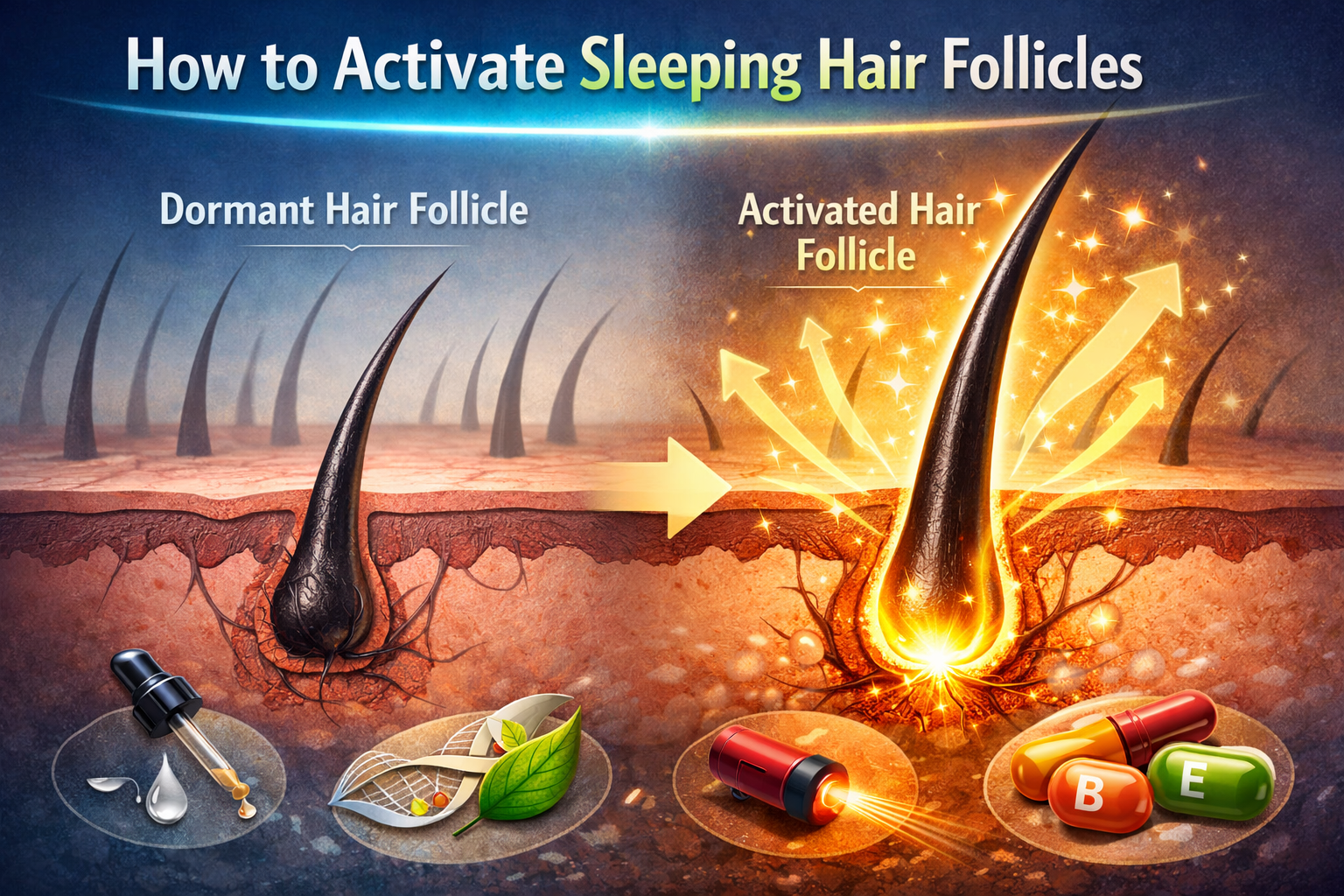
The idea that they might not be permanently gone—but just inactive—gave me hope. If they were sleeping, maybe they could be awakened.
The First Mistake: Looking for Instant Solutions
Like most people, I initially searched for quick fixes.
I wanted something that would work fast—something magical, almost. I tried random products without understanding them. Oils, shampoos, supplements I didn’t research properly. Some smelled nice. Some made my hair feel softer. But none addressed the deeper issue.
That’s when I learned an important truth: hair regrowth is slow, and anything promising instant results is usually misleading.
Real change takes patience. And more importantly, it takes consistency.
Step One: Nourishing from Within
One of the biggest shifts in my journey came when I stopped focusing only on what I applied to my hair—and started paying attention to what I was feeding my body.
Hair follicles are living structures. If the body lacks essential nutrients, it prioritizes vital organs over hair growth. That means your hair is often the first place where deficiencies show up.
I began making small but intentional changes:
- Adding more protein to my meals, since hair is primarily made of keratin (a protein)
- Including foods rich in iron, like leafy greens and legumes
- Paying attention to vitamins like B-complex, especially biotin
- Drinking more water than I used to (which, honestly, wasn’t much before)
These weren’t dramatic changes. But over time, they built a stronger foundation for my body—and my hair.
Step Two: Stimulating the Scalp
If follicles are asleep, it makes sense that they might need a signal to wake up.
That’s where scalp stimulation comes in.
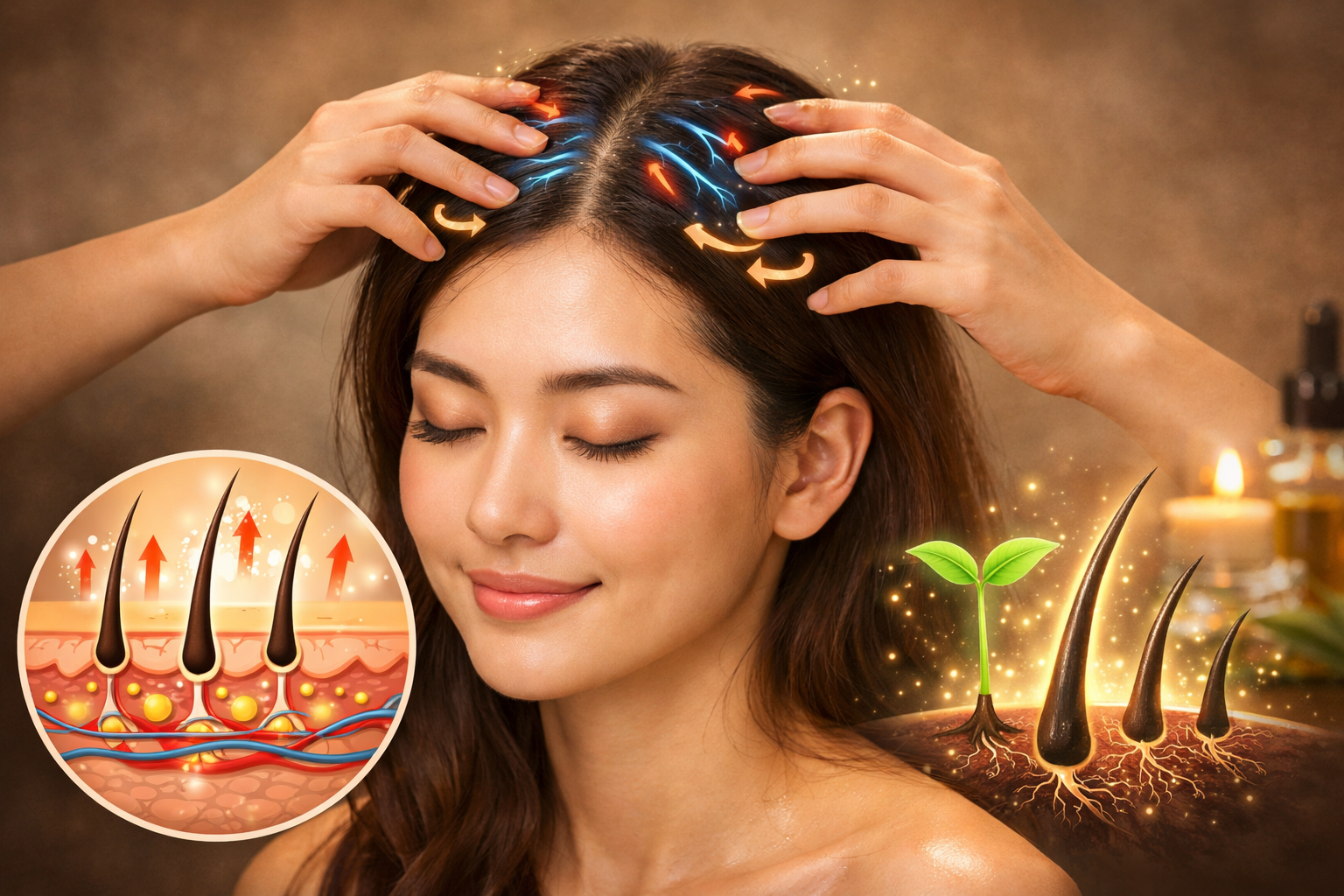
At first, I thought this meant complicated treatments or expensive devices. But it turned out to be much simpler. I started with something as basic as scalp massage.
Every night, before going to bed, I would gently massage my scalp with my fingertips. Not aggressively—just enough to increase blood flow. Sometimes I added natural oils like coconut oil or castor oil, not because they were miracle cures, but because they helped make the process relaxing and consistent.
Over time, this became more than just a routine. It became a moment of calm in my day.
And while I couldn’t see results immediately, I started to feel a difference. My scalp felt healthier. Less tight. More alive.
Step Three: Reducing Stress (Even When It’s Hard)
This was the part I didn’t want to hear.
Stress plays a huge role in hair health. And as a student, avoiding stress completely felt impossible. Exams, expectations, social pressure—it all adds up.
But I learned that managing stress doesn’t mean eliminating it entirely. It means finding ways to keep it from overwhelming your body.
For me, that meant:
- Taking short breaks during study sessions instead of pushing through exhaustion
- Getting enough sleep (which I used to underestimate a lot)
- Spending time away from screens, even if just for a walk
- Talking to someone when things felt too heavy instead of bottling it up
When stress levels decrease, the body gradually shifts back into balance. And that balance supports hair growth more than any product ever could.
Step Four: Being Gentle with My Hair
I used to treat my hair like it was indestructible.
Tight hairstyles, excessive brushing, heat styling without protection—it was all part of my routine. I didn’t realize how much damage I was causing, especially to already fragile follicles.
So I made changes:
- Avoiding very tight ponytails or braids
- Using less heat, and always with protection
- Switching to softer hair ties
- Being more patient when detangling
These habits didn’t directly “activate” follicles, but they prevented further damage. And sometimes, protecting what you have is just as important as regrowing what you’ve lost.
Step Five: Trusting the Process
This was the hardest part.
Weeks passed, and I didn’t see dramatic changes. There were moments when I felt discouraged—when I wondered if anything I was doing actually mattered.
But then, slowly, something changed.
Tiny baby hairs started appearing along my hairline. At first, they were barely noticeable—soft, thin, almost invisible unless the light hit just right. But they were there.
Proof that something was happening beneath the surface.
That’s when I understood: hair growth doesn’t announce itself loudly. It whispers.
And if you’re not patient, you might miss it.
What I Learned Along the Way
Looking back, this journey taught me more than just how to activate sleeping hair follicles. It taught me how to listen—to my body, to subtle changes, to the importance of consistency over quick results.
Here are a few things I wish I had known from the beginning:
- There is no single miracle solution.
Hair health is influenced by many factors—nutrition, stress, care, and time. - Consistency matters more than intensity.
Small habits, done daily, are more powerful than occasional extreme efforts. - Progress is slow—but it is real.
Just because you don’t see immediate results doesn’t mean nothing is happening. - Taking care of yourself as a whole person matters.
Hair is just one reflection of your overall health.
A Quiet Kind of Confidence
Today, my hair isn’t perfect. It probably never will be.
But it feels stronger. Healthier. More alive.
And more importantly, I feel different.
There’s a quiet confidence that comes from knowing you didn’t fix something overnight—but patiently, intentionally worked toward it. That you didn’t give up when results were invisible. That you learned to care for yourself in a deeper way.
If you’re going through something similar—if you’re staring at your reflection, wondering what changed, feeling a little uncertain—I want you to know this:
Your hair follicles might just be sleeping.
And with time, care, and patience… they can wake up again.
Final Thoughts
Activating sleeping hair follicles isn’t about forcing growth. It’s about creating the right conditions for growth to happen naturally.
Think of it like planting seeds.
You don’t pull on them to make them grow faster. You water them, give them sunlight, protect them from harsh conditions—and trust that, beneath the surface, something is happening.
Hair works the same way.
And sometimes, the most powerful changes are the ones you can’t see right away.
But they’re there.
Quietly, steadily, growing.