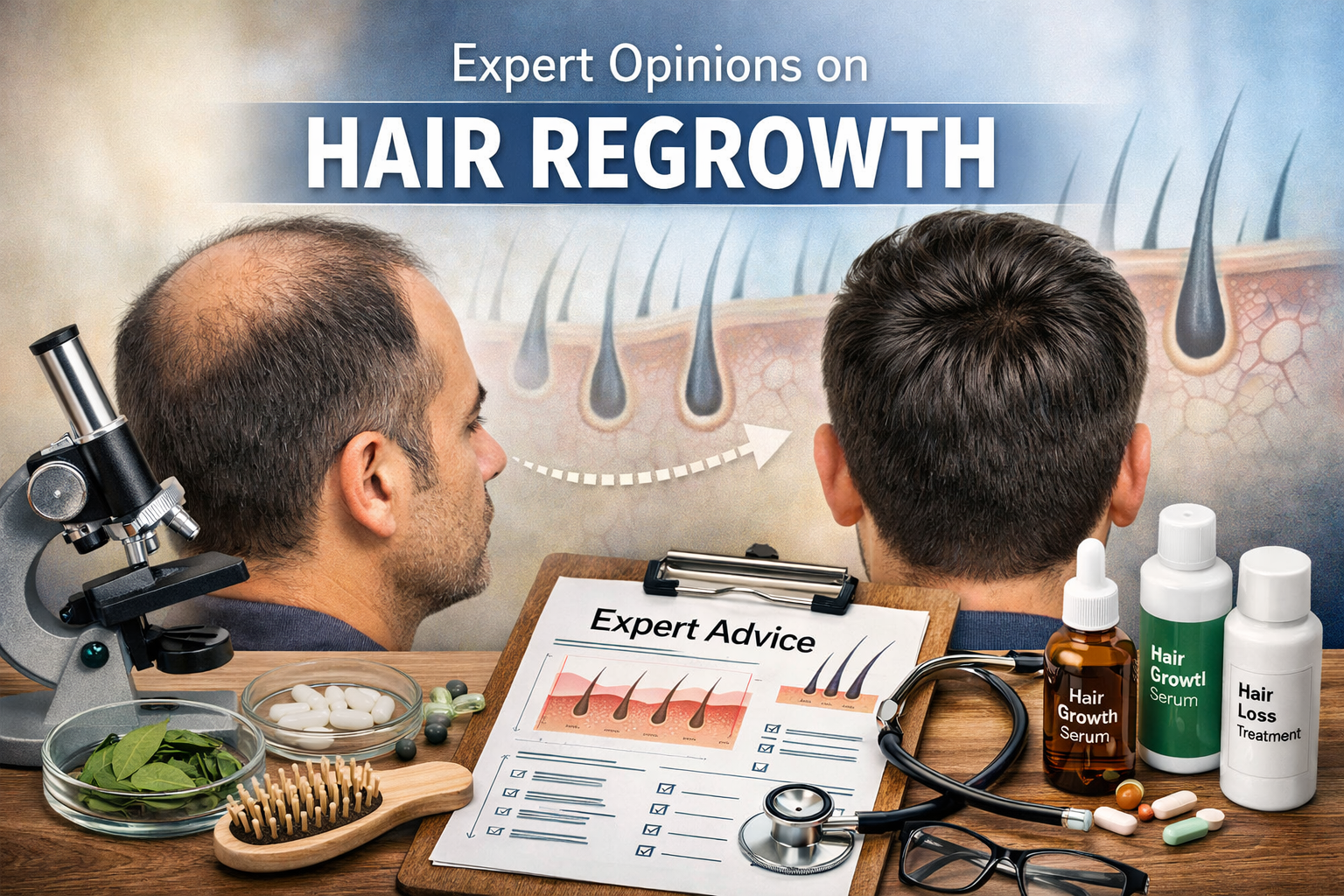
Expert Opinions on Hair Regrowth: A Personal Journey Through Science, Hope, and Reality
I still remember the first time I noticed it—just a few extra strands on my pillow. It didn’t seem like much at the time. After all, everyone sheds hair, right? But days turned into weeks, and those few strands slowly became a quiet, persistent presence in my daily life. The mirror, once a neutral observer, began to feel like a judge. That’s when my journey into the world of hair regrowth truly began—not just as a problem to fix, but as a story to understand.
Hair loss is far more than a cosmetic issue. It’s emotional, psychological, and deeply personal. And as I would soon discover, it’s also a field filled with conflicting advice, miracle promises, and a handful of grounded expert opinions that actually make sense.
The First Step: Understanding What’s Happening
Before diving into solutions, I had to understand the problem. Dermatologists often say that hair loss is not a single condition but a symptom with many possible causes. According to experts, the most common form is androgenetic alopecia—also known as pattern hair loss. It’s largely genetic and influenced by hormones, particularly dihydrotestosterone (DHT).
When I spoke to a specialist, one thing became clear: “Hair loss is a slow process, and regrowth is even slower.” That sentence stayed with me. It set the tone for everything that followed—this wasn’t going to be an overnight fix.
Other causes of hair loss, as experts explain, include stress, nutritional deficiencies, hormonal imbalances, and certain medical conditions. In some cases, hair can grow back naturally once the underlying issue is resolved. But in others, especially genetic hair loss, intervention is necessary.
The Myth of Quick Fixes
One of the biggest lessons I learned early on is that the internet loves a miracle. Oils, shampoos, supplements—each claiming to be the ultimate solution. But when I started digging into expert opinions, a different picture emerged.
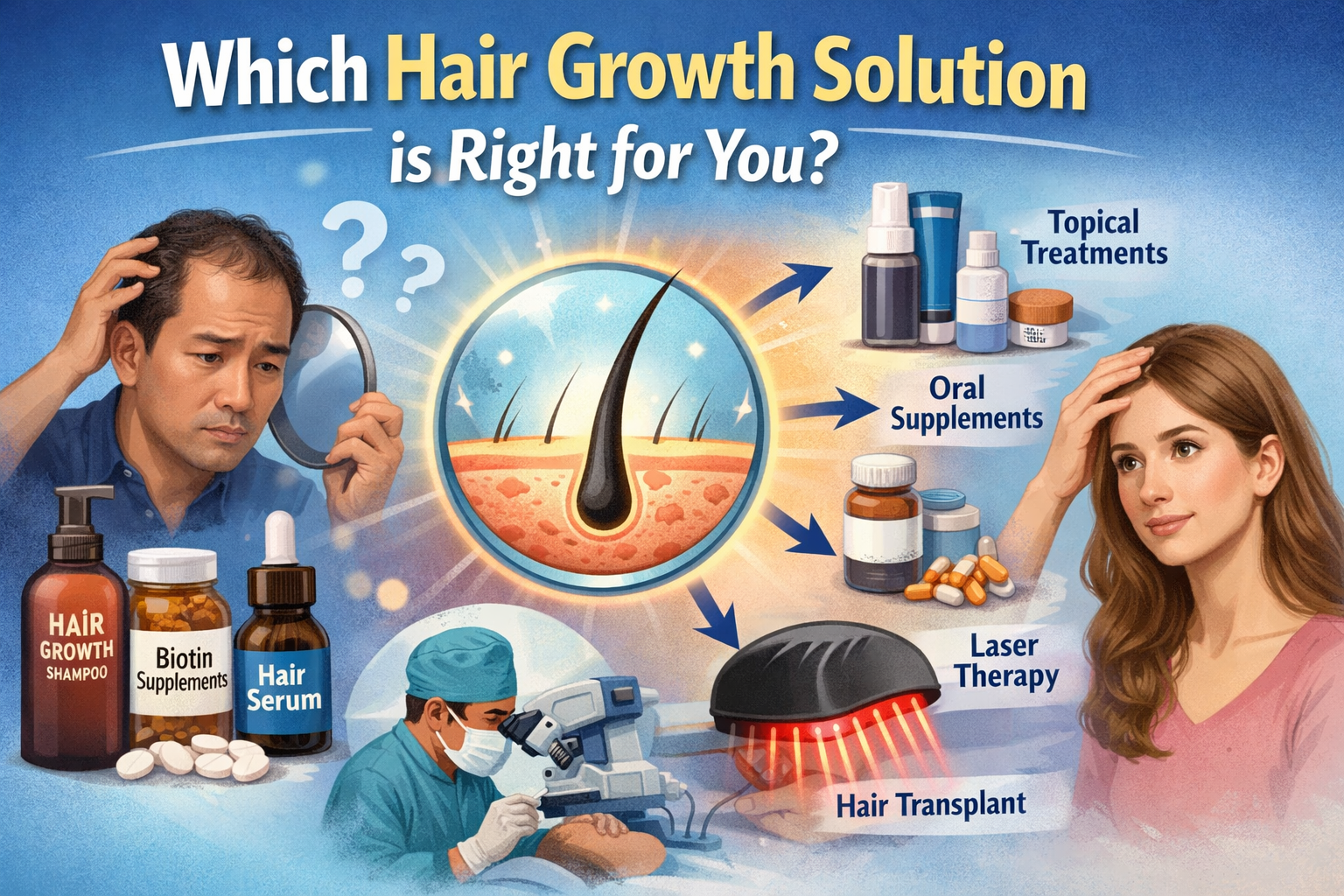
Most dermatologists agree that very few treatments are clinically proven to promote hair regrowth. Among them, two names come up repeatedly: minoxidil and finasteride.
Minoxidil, often available over the counter, works by prolonging the growth phase of hair follicles. Experts say it doesn’t cure hair loss, but it can slow it down and, in some cases, stimulate regrowth. Finasteride, on the other hand, works by reducing DHT levels. It’s typically prescribed and has shown effectiveness in many patients.
But here’s the part that no advertisement tells you: consistency matters more than anything. As one trichologist put it, “These treatments work only as long as you use them. Stop, and you may lose the progress.”
That was a tough pill to swallow. The idea of committing to a long-term routine felt overwhelming. But it also made sense—hair growth is a biological process, not a switch you can flip.
The Role of Lifestyle: More Than Just Products
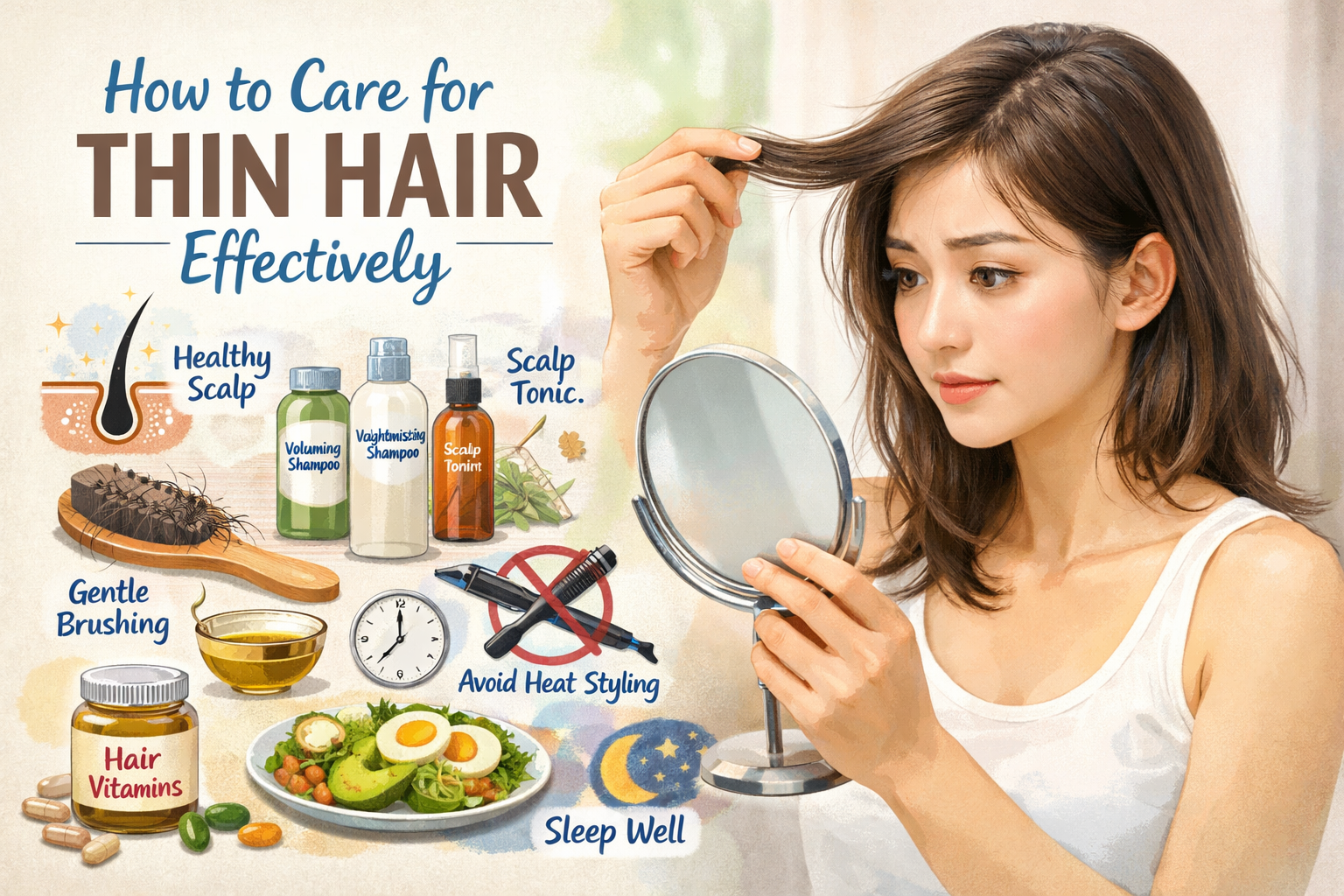
At some point, I realized that focusing only on products was like trying to fix a leaking roof by repainting the ceiling. Experts consistently emphasize the importance of overall health in hair regrowth.
Nutrition plays a significant role. Hair is made of keratin, a protein, so a lack of protein in the diet can affect growth. Iron deficiency, particularly common in certain groups, is another major factor. Vitamins like biotin, vitamin D, and zinc are often mentioned, but experts caution against blindly taking supplements without testing for deficiencies.
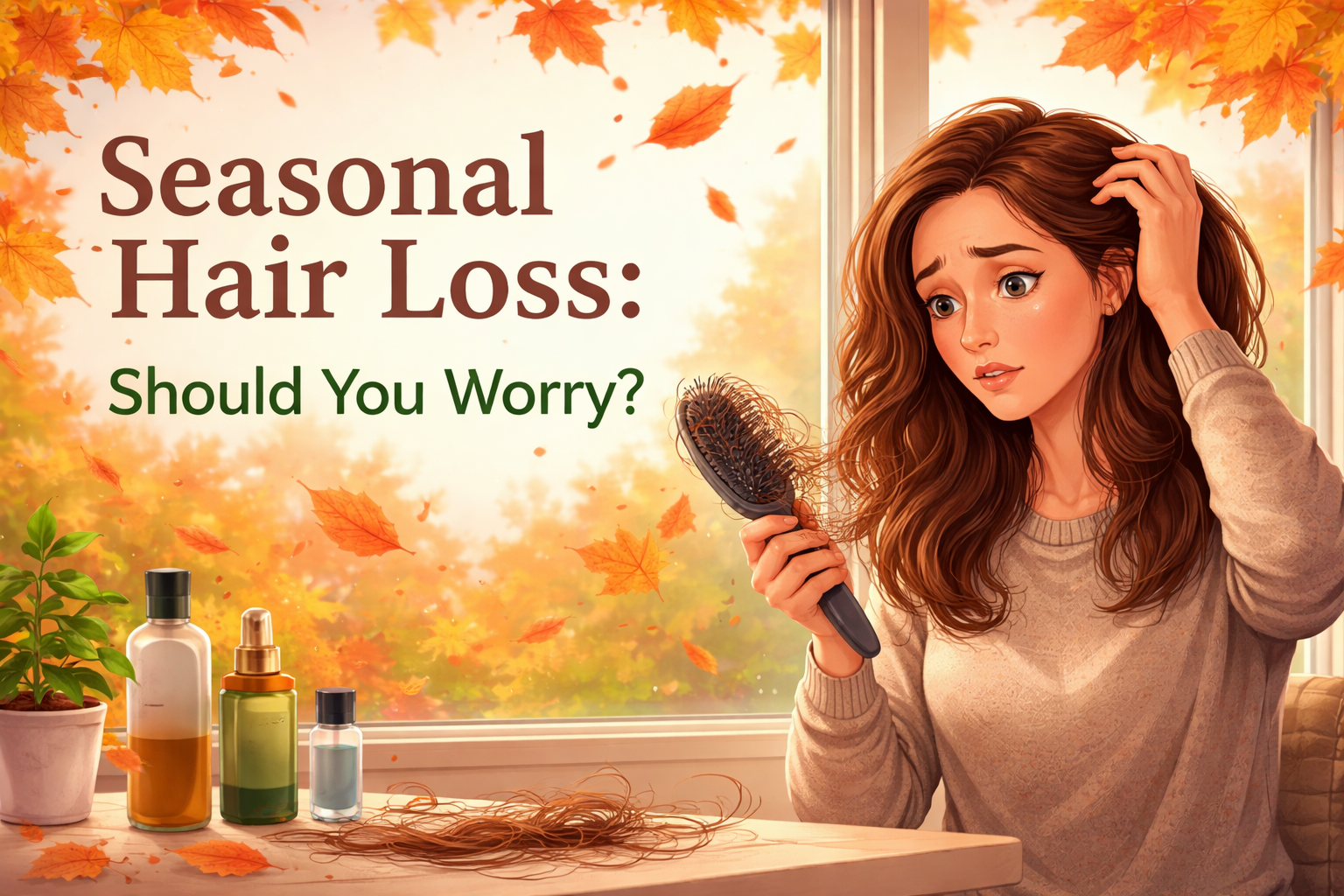
Stress is another silent contributor. I didn’t fully appreciate this until I went through a particularly intense period in my life. A few months later, the shedding increased noticeably. According to dermatologists, this condition—called telogen effluvium—can occur after physical or emotional stress.
Sleep, exercise, and mental well-being might not sound like hair treatments, but they are part of the bigger picture. As one expert explained, “Healthy hair grows from a healthy system.”
Natural Remedies: Hope vs. Evidence
At some point, curiosity led me into the world of natural remedies. Onion juice, rosemary oil, scalp massages—each backed by anecdotes and, occasionally, small studies.
Experts have mixed opinions here. Some acknowledge that certain natural treatments may have mild benefits. For example, rosemary oil has shown some promise in improving hair density in small-scale studies. Scalp massage may increase blood flow, which could support hair health.
But the consensus is clear: natural remedies are rarely powerful enough to reverse significant hair loss on their own. They may complement medical treatments, but they are not replacements.
This was both disappointing and freeing. It meant I didn’t have to chase every trending remedy. Instead, I could focus on what actually had evidence behind it.
Hair Transplants: A Permanent Solution?
As I continued exploring options, hair transplants came into the conversation. The idea of a permanent solution was tempting. Experts describe modern hair transplant techniques, like FUE (Follicular Unit Extraction), as highly advanced and natural-looking.
But they also emphasize that it’s not a cure—it’s a redistribution of existing hair. And not everyone is a suitable candidate. Factors like donor hair availability, age, and the progression of hair loss all play a role.
One surgeon I read about put it bluntly: “A hair transplant is not about creating new hair. It’s about managing what you already have in the most effective way.”
It’s also a significant financial and emotional investment. And even after a transplant, maintaining the rest of your hair often requires ongoing treatment.
The Psychological Side of Hair Loss
What surprised me most during this journey wasn’t just the science—it was the emotional weight of it all. Hair loss can quietly affect confidence, self-image, and even social interactions.
Experts increasingly acknowledge this aspect. Some recommend counseling or support groups for individuals struggling with the emotional impact. It’s not about vanity; it’s about identity.
At one point, I realized that I had been measuring my self-worth through my reflection. That realization changed everything. While I continued exploring treatments, I also started working on acceptance.
Not resignation—but balance.
What Experts Agree On
After months of research, consultations, and trial and error, a few key truths stood out—points that most experts seem to agree on:
- Early action matters. The sooner you address hair loss, the better your chances of maintaining and regrowing hair.
- Consistency is critical. Most treatments require long-term commitment.
- There is no universal solution. What works for one person may not work for another.
- Be skeptical of bold claims. If it sounds too good to be true, it probably is.
- Holistic care is important. Hair health is connected to overall health.
Where I Am Now
If you’re expecting a dramatic ending—a full head of hair magically restored—I have to be honest. That’s not how this story goes.
What I found instead was something more grounded. A combination of medical treatment, better lifestyle choices, and a shift in perspective. My hair improved, yes—but more importantly, my understanding did.
I stopped chasing perfection and started focusing on progress.
And maybe that’s what expert opinions really offer—not just answers, but clarity. They cut through the noise and remind us that while hair regrowth is possible, it’s also a journey that requires patience, realism, and self-awareness.
Final Thoughts
Hair regrowth isn’t just about products or procedures. It’s about understanding your body, making informed decisions, and managing expectations.
If you’re at the beginning of this journey, feeling overwhelmed or uncertain, know this: you’re not alone. Many have walked this path before you, guided by both science and experience.
Listen to experts—but also listen to yourself. Because in the end, the goal isn’t just to regrow hair. It’s to regain confidence, control, and a sense of balance.
And that, in itself, is a kind of growth worth holding onto.