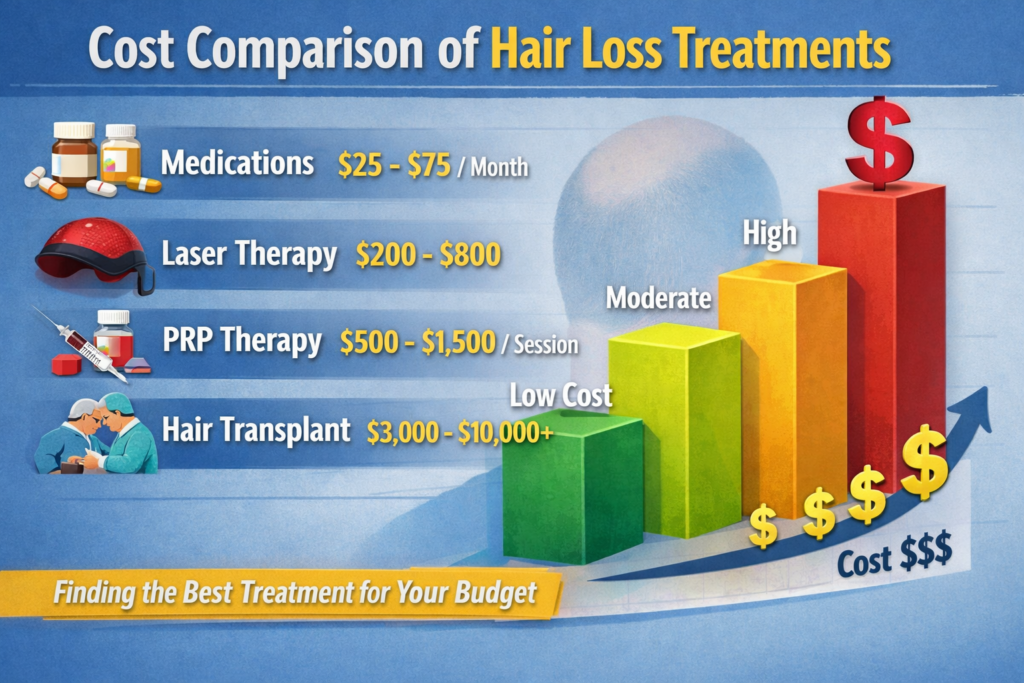
Cost Comparison of Hair Loss Treatments: A Personal Journey Through Options, Expectations, and Reality
I still remember the first time I noticed it.
It wasn’t dramatic. No clumps of hair in the shower, no sudden patches. Just a slightly wider part in the mirror, a little more scalp showing under harsh bathroom lighting. At first, I brushed it off—maybe it was the lighting, maybe stress, maybe nothing at all. But over time, the signs became harder to ignore. The subtle shift turned into a quiet concern that followed me through the day, sitting in the back of my mind during conversations, photos, even simple routines like combing my hair.
That’s when I began my journey into the world of hair loss treatments—a world that’s far more complex, expensive, and emotionally charged than I ever expected.
This blog isn’t just about numbers. It’s about what those numbers mean in real life—the trade-offs, the hopes, and the lessons learned along the way.
The Starting Point: Free Advice That Costs Your Time
Like most people, I started with Google.
Articles, forums, videos—everyone seemed to have an opinion. Some swore by natural remedies, others promoted medications, and some insisted that only surgical solutions really worked. The best part? Most of this information was free.
But here’s what I learned quickly: free advice often comes with hidden costs—mainly confusion and time.
I spent weeks going down rabbit holes, comparing before-and-after photos, reading scientific studies I barely understood, and trying to figure out what actually works. In the process, I realized that not all treatments are equal—not in effectiveness, not in price, and definitely not in long-term commitment.
Over-the-Counter Solutions: The “Affordable” Entry Point
The first real step I took was trying over-the-counter treatments. These are usually the most accessible and least intimidating options.
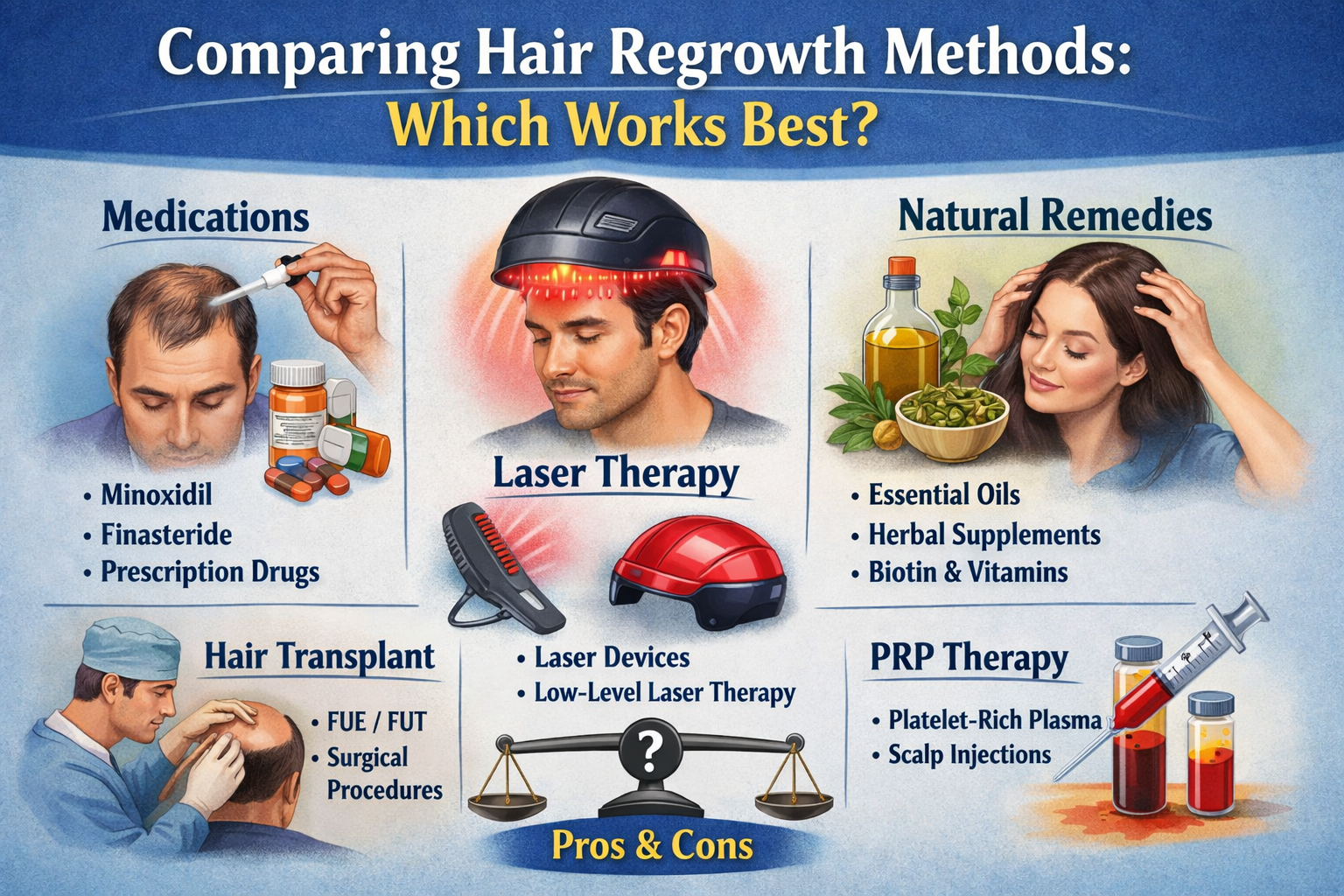
1. Minoxidil (Topical Treatment)
This was my starting point.
You’ve probably heard of it—it’s one of the most widely used hair loss treatments in the world. It comes in foam or liquid form and is applied directly to the scalp.
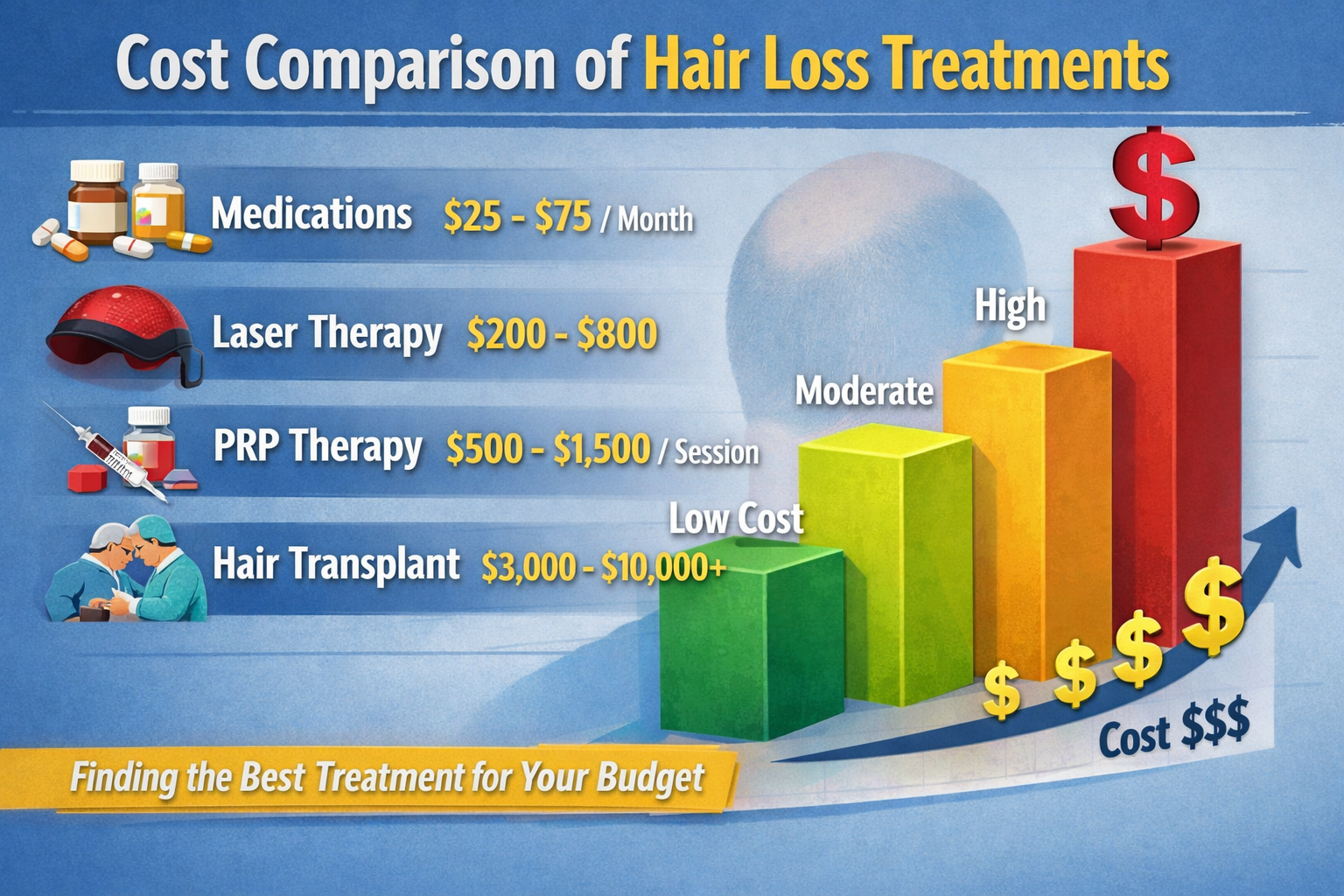
Cost:
- Monthly: $10 – $40
- Yearly: $120 – $480
At first glance, it seemed like a no-brainer. Affordable, easy to use, and backed by research.
But there’s a catch: it’s a long-term commitment.
You don’t just use it for a few months and stop. If you do, any progress you’ve made can gradually reverse. That means the “low cost” adds up over time.
Still, compared to other treatments, it’s one of the most budget-friendly options—and for many people, it does make a noticeable difference.
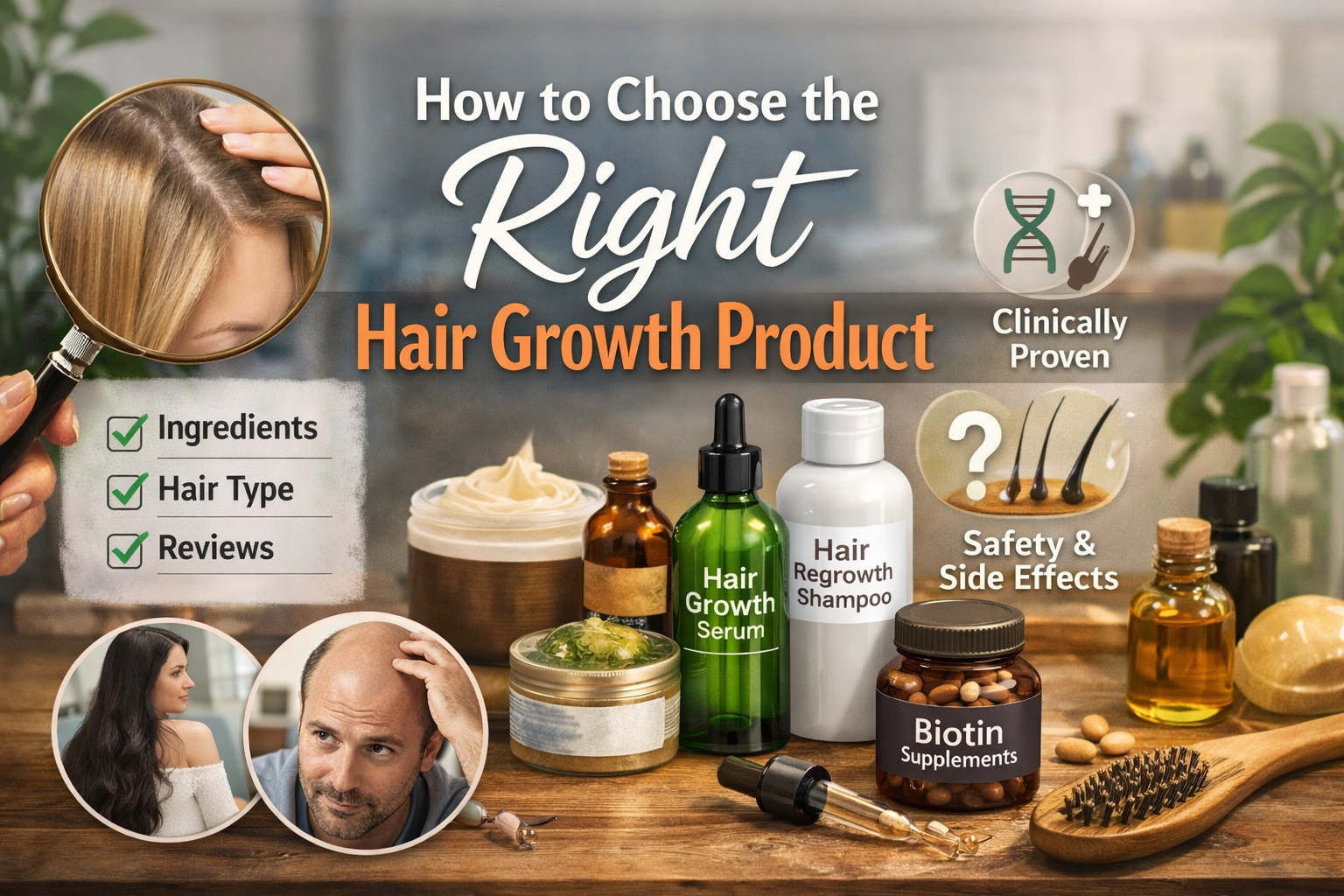
2. Shampoos and Supplements
I also tried specialized shampoos and dietary supplements marketed for hair growth.
Cost:
- Shampoos: $15 – $50 per bottle
- Supplements: $20 – $60 per month
These products often promise thicker, healthier hair using ingredients like biotin, caffeine, or herbal extracts.
Here’s the honest truth: results are usually subtle.
They can support overall hair health, but they rarely stop or reverse significant hair loss on their own. Still, they felt like an easy addition to my routine—something I could do without much risk.
Prescription Treatments: Stepping Into Commitment
After a few months, I realized I wanted something more effective. That’s when I started looking into prescription treatments.
3. Finasteride (Oral Medication)
This is where things started to feel more serious.
Finasteride works by targeting the hormone responsible for pattern hair loss. It’s one of the most effective treatments available—but it also comes with more responsibility.
Cost:
- Monthly: $10 – $70
- Yearly: $120 – $840
The price varies depending on whether you use generic or brand-name versions, and whether you go through insurance or online services.
What stood out to me wasn’t just the cost—it was the decision.
Taking a daily pill felt like a bigger step than applying a topical solution. It made the whole experience feel more medical, more permanent.
Still, in terms of cost vs. effectiveness, finasteride is often considered one of the best value options.
Clinical Treatments: When Costs Start Climbing
At some point, I started wondering: what if I want faster or more visible results?
That curiosity led me into the world of clinical treatments—procedures performed by professionals.
4. PRP Therapy (Platelet-Rich Plasma)
PRP sounded almost futuristic.
It involves drawing your blood, processing it, and injecting it back into your scalp to stimulate hair growth.
Cost:
- Per session: $500 – $1,500
- Initial series (3–4 sessions): $1,500 – $6,000
- Maintenance: $500 – $1,500 every few months
This is where things started to feel expensive.
PRP isn’t a one-time fix. You need multiple sessions, and then ongoing maintenance. The costs can add up quickly—often reaching thousands of dollars per year.
And the results? They vary.
Some people see noticeable improvement, while others see minimal change. That uncertainty makes the financial investment harder to justify.
5. Laser Therapy (LLLT Devices)
Another option I explored was low-level laser therapy.
You can either visit a clinic or buy a device to use at home—like a laser cap or comb.
Cost:
- In-clinic sessions: $50 – $100 each
- At-home devices: $200 – $1,500 (one-time purchase)
At first, the idea of a one-time purchase sounded appealing. No subscriptions, no ongoing medication.
But again, consistency is key. You have to use the device regularly, often several times a week, for months.
It’s not just a financial investment—it’s a time commitment.
Surgical Solutions: The Big Leap
Eventually, I looked into what many consider the most definitive solution: hair transplant surgery.
6. Hair Transplant (FUE/FUT)
This is where things get real—both in terms of cost and expectations.
Cost:
- $4,000 – $15,000 (or more, depending on the extent)
Unlike other treatments, this is usually a one-time procedure, although some people choose additional sessions later.
The appeal is obvious: permanent results.
But it’s not as simple as it sounds.
You still need to maintain your existing hair, often with medications like finasteride. And the upfront cost can be a major barrier.
I remember staring at clinic websites, looking at transformation photos, wondering if it was worth it.
It’s not just a financial decision—it’s an emotional one.
Hidden Costs No One Talks About
As I went deeper into this journey, I realized that the listed prices only tell part of the story.
Time
Every treatment requires consistency. Daily applications, weekly routines, regular appointments—it all adds up.
Mental Energy
Constantly thinking about your hair can be exhausting. Tracking progress, worrying about results, comparing yourself to others—it takes a toll.
Trial and Error
Not every treatment works for everyone. You might spend hundreds—or thousands—before finding what actually helps.
So, What’s the “Best” Option?
After months of research, trial, and reflection, I realized something important:
There is no universal “best” treatment.
The right choice depends on:
- Your budget
- Your expectations
- Your willingness to commit
- How early you start
For some, a simple routine with minoxidil and finasteride offers the best balance of cost and effectiveness.
For others, investing in PRP or a transplant makes more sense.
And for many people, the journey is a combination of multiple approaches.
A Personal Reflection
If I could go back to the moment I first noticed the signs, I would tell myself this:
Don’t panic.
Hair loss feels bigger than it is because it’s tied to identity, confidence, and how we see ourselves. But it’s also incredibly common—and manageable in many cases.
The key isn’t finding a perfect solution.
It’s finding a sustainable one.
Final Thoughts: Cost vs. Value
When it comes to hair loss treatments, the real question isn’t just “How much does it cost?”
It’s:
What is it worth to you?
For some, spending thousands on a transplant is completely justified. For others, a simple, affordable routine is enough.
There’s no right or wrong answer—only what aligns with your priorities and your life.
As for me, I’m still on the journey.
Not chasing perfection, but looking for balance.
And maybe that’s the most realistic outcome of all.