
Budget-Friendly Hair Regrowth Options
A personal journey through patience, trial, and small victories
I didn’t notice it all at once.
At first, it was just a little more hair on my pillow in the morning. Then, a bit more clogging the shower drain. I told myself it was seasonal, maybe stress, maybe nothing at all. But over time, the mirror became harder to ignore. My hairline looked slightly different. My part seemed wider. Subtle changes, but enough to plant a quiet worry in the back of my mind.
What made it more frustrating wasn’t just the hair loss—it was the overwhelming number of solutions out there. Expensive treatments, complicated routines, products with promises that sounded too good to be true. It felt like regrowing hair required a big budget and even bigger hope.
But I didn’t have that kind of budget. So I took a different path—slower, more intentional, and surprisingly grounded in simplicity.
This is what I learned along the way.
The First Lesson: Expensive Doesn’t Always Mean Effective
I remember standing in a store aisle, staring at bottles that claimed to “restore,” “revitalize,” and “regrow.” The prices alone made them seem powerful. But something didn’t sit right.
So instead of buying the most expensive option, I started researching ingredients instead of brands.
That’s when I realized something important: many high-priced products contain the same core ingredients as more affordable ones. The difference is often in packaging, marketing, and branding—not necessarily effectiveness.
This shift changed everything. Instead of chasing price tags, I started focusing on what actually mattered.
Minoxidil: The Quiet Staple
If there’s one thing that consistently came up during my research, it was minoxidil.
At first, I hesitated. The name sounded clinical, almost intimidating. But the more I read, the more I understood that it’s one of the most studied and accessible treatments for hair regrowth.
What surprised me most was how affordable it could be—especially generic versions.
I started with a simple routine: applying it once a day, usually at night. No complicated steps, no expensive add-ons.
The first few weeks were discouraging. There was even a phase where shedding seemed to increase. I almost stopped.
But I didn’t.
And after a couple of months, something subtle happened. The shedding slowed. Tiny, fine hairs began to appear where things had started to thin. They weren’t dramatic changes—but they were real.
That was enough to keep going.
Natural Oils: Small Rituals, Real Impact
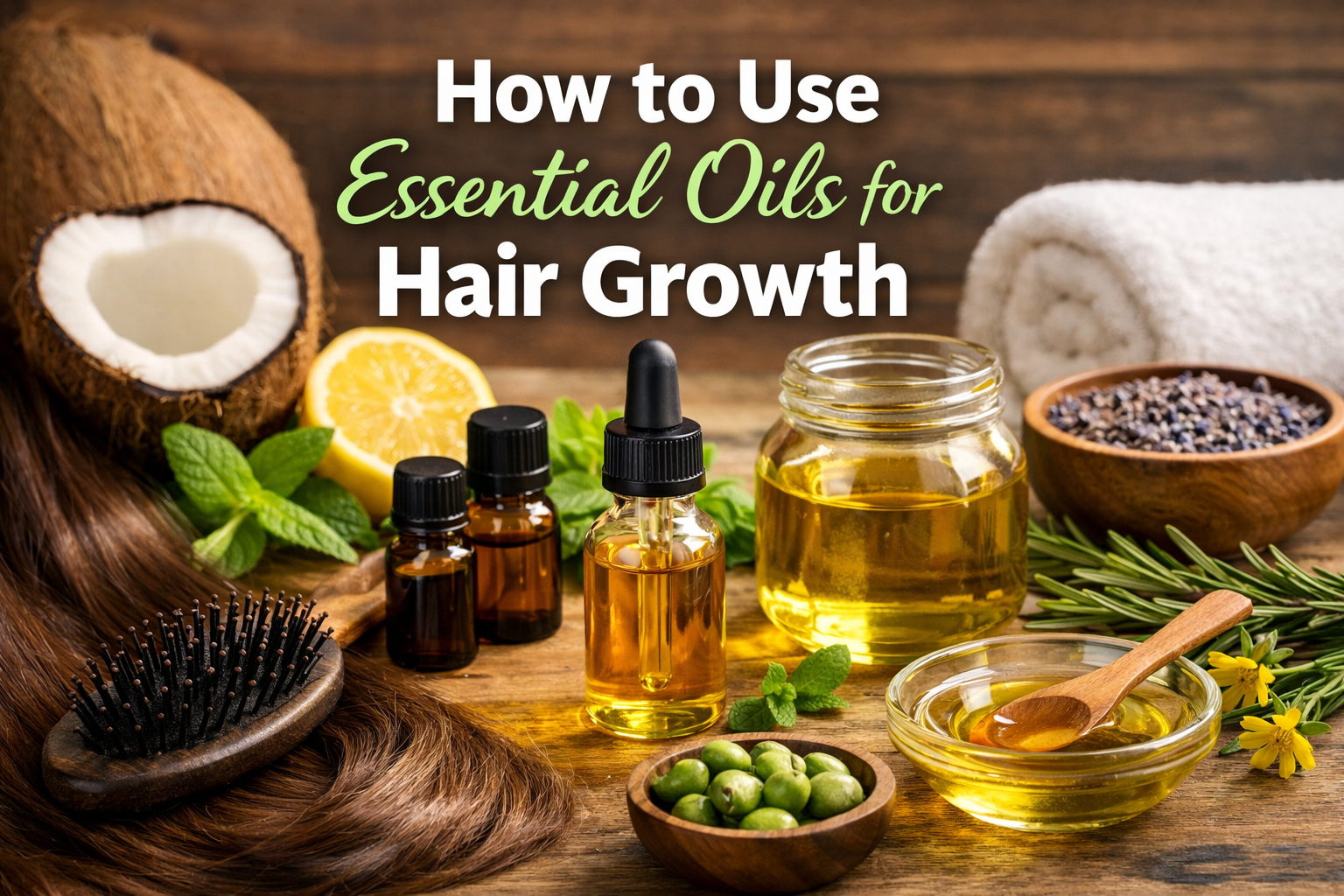
Around the same time, I started exploring natural oils—not as miracle cures, but as supportive habits.
Coconut oil was the easiest to start with. It was affordable, easy to find, and familiar. Once or twice a week, I’d massage a small amount into my scalp.
Later, I added castor oil—thicker, a bit messier, but often recommended for hair health. I mixed it with lighter oils to make it easier to apply.
These moments became less about results and more about routine. Slowing down, taking care of myself, paying attention.
Did oils alone regrow my hair? Probably not.
But they improved the condition of my scalp, reduced dryness, and made my hair feel stronger. And sometimes, that’s part of the process—creating an environment where growth is possible.
The Overlooked Factor: Scalp Health
Before this journey, I never thought much about my scalp. Hair was the focus—not where it came from.
That changed quickly.
I realized that a healthy scalp is the foundation for any regrowth effort. Without it, even the best treatments struggle to work effectively.
So I made small adjustments:
- Switching to a gentle, sulfate-free shampoo
- Avoiding overwashing
- Being more careful with how I dried and handled my hair
None of these changes were expensive. But together, they reduced irritation and breakage—two things that quietly sabotage progress.
Diet: The Slow, Invisible Influence
This was the hardest part to accept.
I wanted quick results—something visible, something immediate. But diet doesn’t work that way. It’s slow, subtle, and often invisible in the short term.
Still, I couldn’t ignore the connection between nutrition and hair health.
So I made simple, realistic changes:
- Adding more protein (eggs, beans, yogurt)
- Including iron-rich foods (spinach, lentils)
- Paying attention to vitamins like biotin and zinc
I didn’t follow a strict plan. I didn’t buy expensive supplements right away. I just tried to eat better, more consistently.
Over time, my energy improved. My overall health felt more stable. And while it’s hard to isolate the exact impact, I believe this played a role in supporting regrowth.
Patience: The Most Underrated Strategy
If there’s one thing no one emphasizes enough, it’s this: hair regrowth takes time.
Not days. Not weeks.
Months.
There were moments when I felt like nothing was happening. Times when I questioned whether any of this was working.
But then I’d look at older photos, or notice fewer hairs falling out, or see small signs of progress that were easy to miss day-to-day.
That’s when it clicked—this wasn’t about quick fixes. It was about consistency.
Avoiding the Trap of “Too Much”
At one point, I made a mistake.
I tried to do everything at once—multiple products, different oils, new routines. It became overwhelming. And ironically, it made things worse.
My scalp became irritated. I couldn’t tell what was working and what wasn’t.
So I simplified.
I kept what seemed effective, removed what wasn’t, and gave my routine space to work.
Sometimes, less really is more.
Affordable Doesn’t Mean Ineffective
Looking back, I realized something important: budget-friendly doesn’t mean low quality.
It means being intentional.
It means understanding what works, ignoring unnecessary extras, and focusing on consistency over cost.
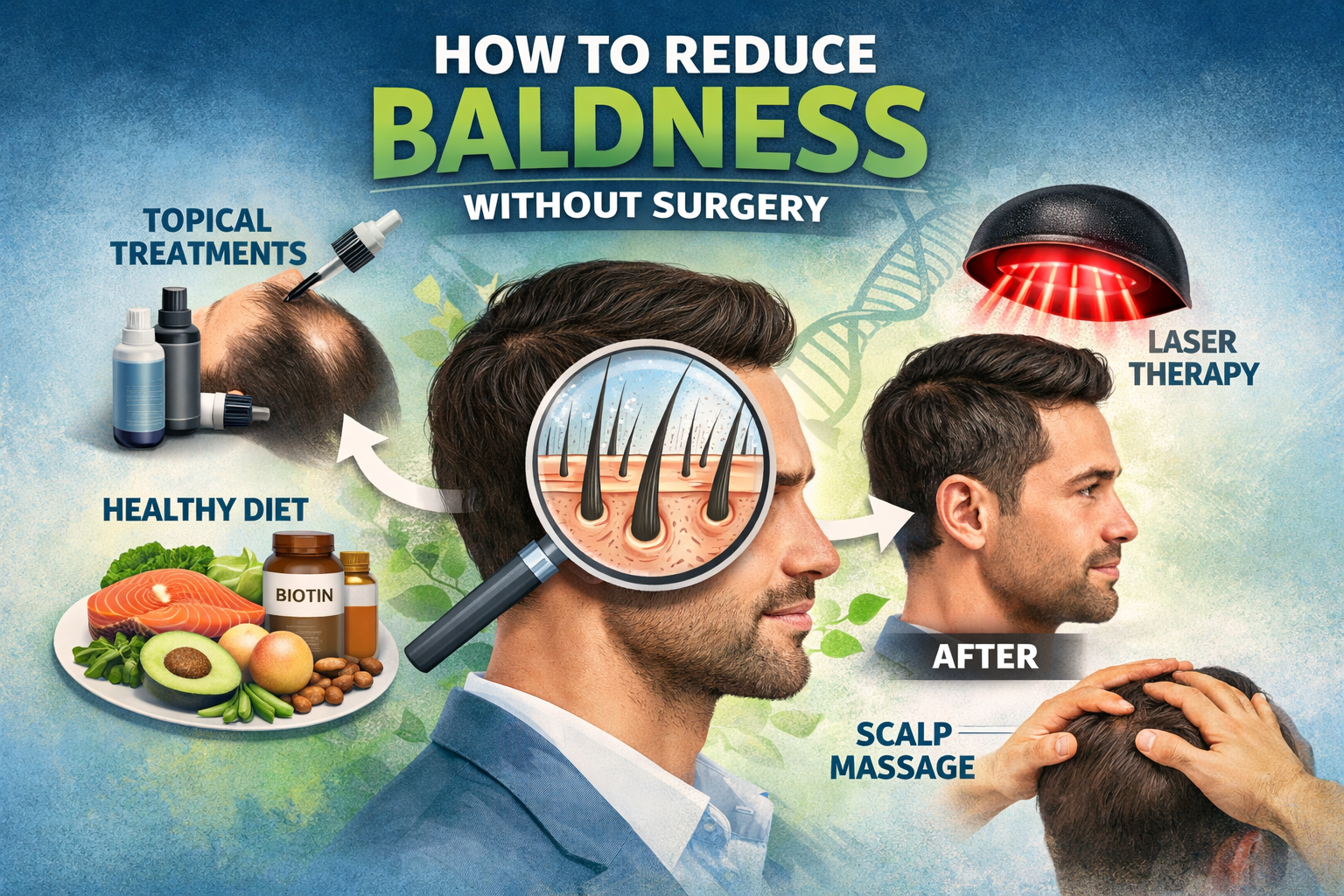
Here’s what my routine eventually looked like:
- Minoxidil (generic version)
- Occasional oil massage (coconut + castor oil)
- Gentle hair care products
- Improved diet
No expensive treatments. No complicated systems.
Just simple, consistent steps.
The Emotional Side of the Journey
Hair loss isn’t just physical. It affects how you see yourself.
There were days when I felt self-conscious, when I avoided certain lighting or angles. It’s not something people always talk about openly, but it’s real.
What helped me wasn’t just regrowth—it was shifting my perspective.
Instead of focusing only on what I was losing, I started focusing on what I could control.
Small actions. Daily habits. Gradual improvement.
That shift made the process feel less like a problem to fix—and more like a journey to manage.
What I’d Tell Someone Starting Out
If someone asked me where to begin, I wouldn’t hand them a long list of products.
I’d say this:
Start simple.
Be consistent.
Give it time.
And don’t assume that the most expensive option is the best one.
Because sometimes, the most effective solutions are the ones that are sustainable—the ones you can stick with, day after day, without feeling overwhelmed.
A Quiet Kind of Progress
Today, things aren’t perfect. My hair isn’t exactly the way it used to be.
But it’s better.
Stronger. Fuller in places that once worried me. More stable.
And maybe more importantly, I feel more in control—not because I found a miracle cure, but because I found a routine that works for me.
A routine that doesn’t depend on a big budget or unrealistic promises.
Just time, patience, and a willingness to keep going—even when progress feels slow.
In the end, budget-friendly hair regrowth isn’t about cutting corners.
It’s about cutting through the noise.
Finding what truly matters.
And trusting that small, consistent steps—taken over time—can lead to real, meaningful change.