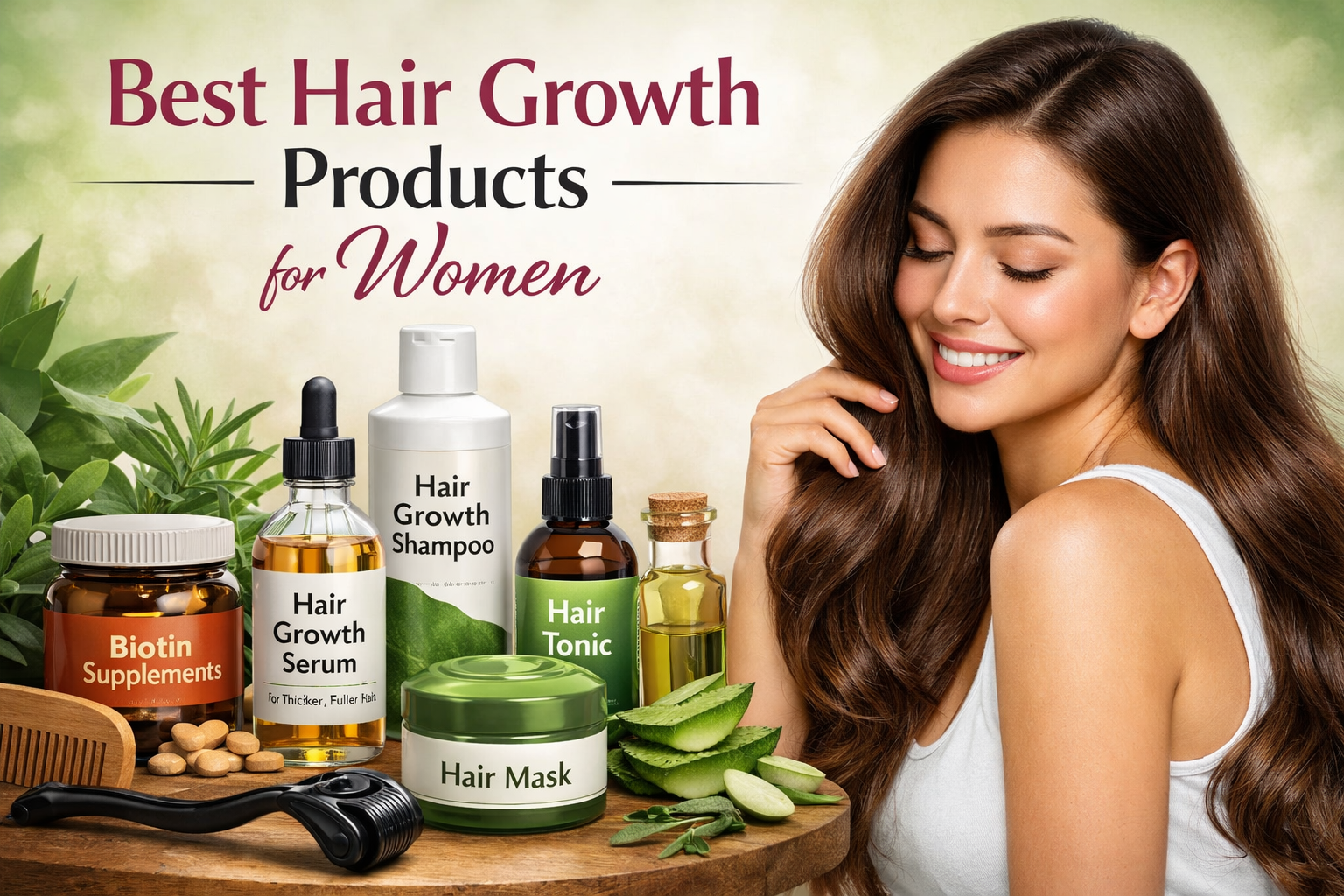
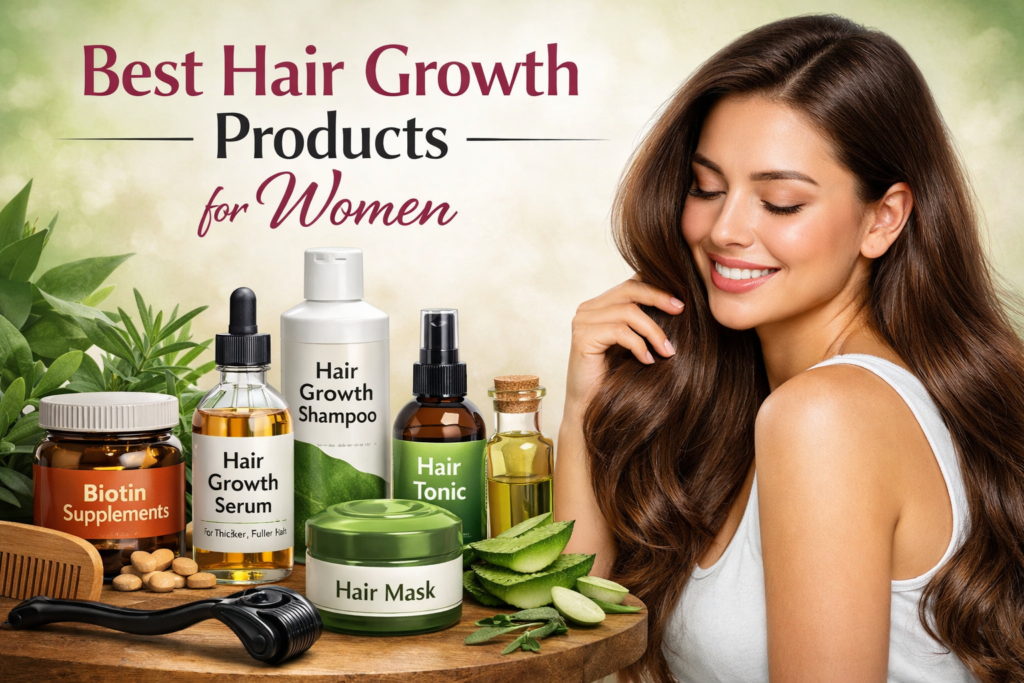
Best Hair Growth Products for Women: A Personal Journey to Stronger, Healthier Hair
I still remember the first time I noticed my hair wasn’t the same anymore.
It wasn’t dramatic at first—just a little more hair on my brush, a slightly wider part when I looked in the mirror under bright light. I told myself it was stress, or maybe just a seasonal thing. But weeks turned into months, and that quiet worry slowly grew into something I couldn’t ignore.
If you’ve ever gone through something similar, you know the feeling. Hair isn’t just hair—it’s part of how we see ourselves. It carries memories, identity, confidence. So when it starts thinning or falling out, it can feel surprisingly personal.
That’s what led me down a long, sometimes confusing, but ultimately rewarding journey into the world of hair growth products for women. And if you’re here, maybe you’re starting that journey too.
Let me walk you through what I’ve learned—the good, the disappointing, and the genuinely life-changing.
Understanding the “Why” Before the “What”
Before I tried any product, I had to ask myself a simple question: Why is this happening?
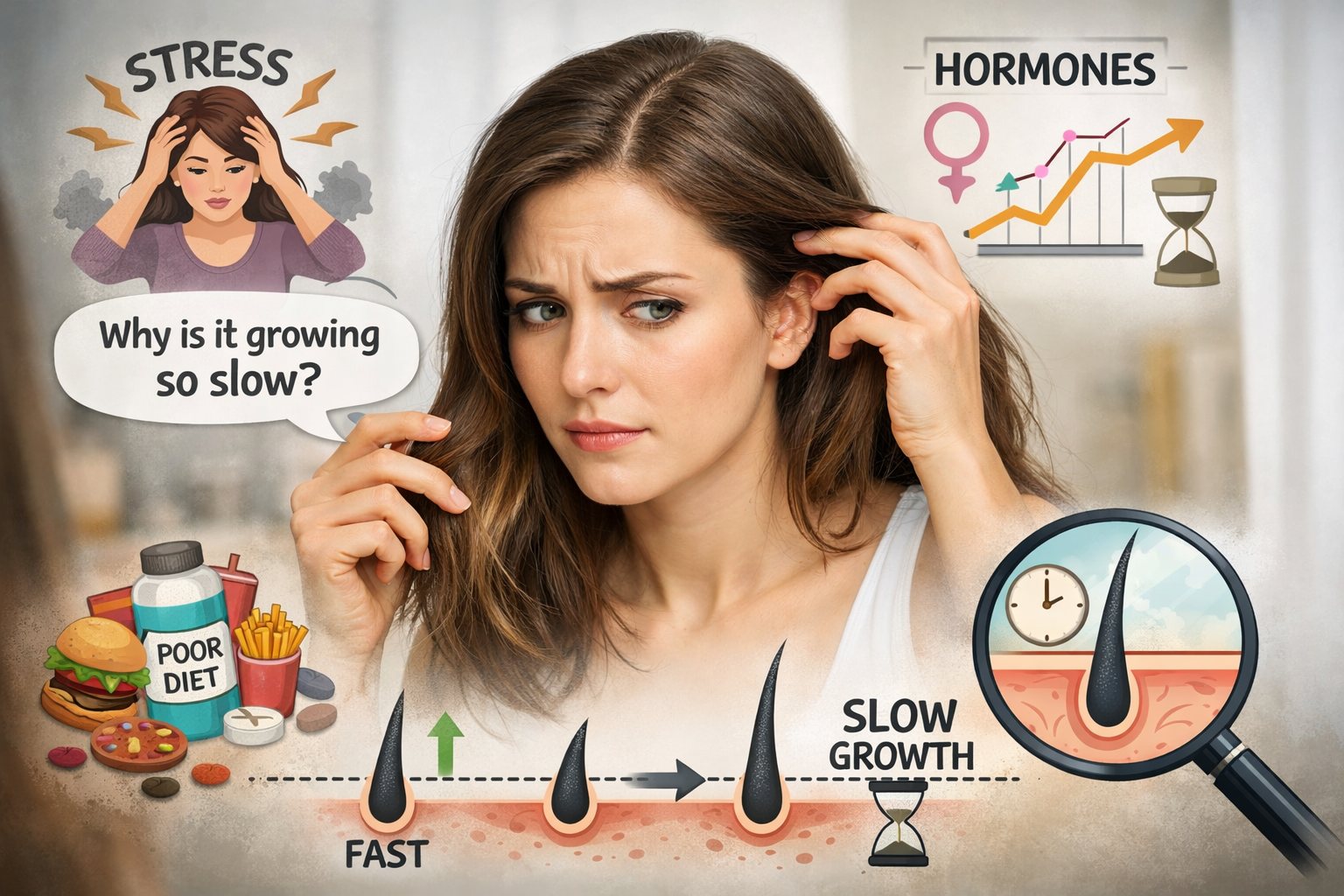
Hair loss in women can come from so many sources—stress, hormonal changes, nutritional deficiencies, genetics, or even harsh styling habits. In my case, it was a mix of stress and not taking care of my diet as well as I should have.
And here’s something I wish someone told me earlier:
No product works like magic if the root cause isn’t addressed.
Still, the right products can make a huge difference—they can support regrowth, strengthen existing hair, and create the ideal environment for healthier strands.
1. Hair Growth Shampoos: Where It All Begins
I used to think shampoo was just… shampoo. Something you grab off the shelf without much thought.
That changed quickly.
Hair growth shampoos are designed to do more than just clean your scalp. The good ones improve scalp health, reduce buildup, and sometimes include ingredients that stimulate follicles.
What to Look For:
- Biotin: Strengthens hair and supports keratin production
- Caffeine: May help stimulate hair follicles
- Ketoconazole: Helps reduce scalp inflammation (often found in anti-dandruff formulas)
- Natural oils: Like argan or tea tree for nourishment
My Experience:
When I switched to a sulfate-free, biotin-infused shampoo, I didn’t see instant growth—but I did notice less breakage and shedding within a few weeks. My hair felt softer, and my scalp didn’t feel as irritated.
And honestly, that’s the first small win you should look for.
2. Conditioners & Hair Masks: The Silent Support System
If shampoo is the foundation, conditioner is the structure that holds everything together.
I used to skip conditioner sometimes (big mistake). Once I started using a strengthening conditioner regularly, my hair became easier to manage and less prone to snapping.
Hair Masks Changed Everything
Hair masks became my weekly ritual—something I actually looked forward to.
Look for ingredients like:
- Keratin: Helps repair damaged strands
- Castor oil: Often linked with thicker-looking hair
- Shea butter: Deep hydration
There’s something calming about applying a hair mask, waiting, and rinsing it out—like you’re giving yourself permission to slow down for a moment.
3. Serums and Topical Treatments: Targeted Care
This is where things start to feel more “serious.”
Hair serums and treatments are designed to go directly to the scalp, where growth actually happens.
Popular Ingredients:
- Minoxidil: One of the most studied ingredients for hair regrowth
- Peptides: Support scalp health
- Niacinamide: Improves circulation
My Honest Take:
Topical treatments require patience. A lot of it.
I remember checking the mirror almost daily at first, hoping to see something new. But real results took months—not days.
Around the 3-month mark, I noticed tiny baby hairs along my hairline. They were soft, almost invisible unless you looked closely—but they were there.
And that felt like hope.
4. Hair Growth Oils: Tradition Meets Modern Care
If you grew up in a household where hair oiling was a ritual, you probably already know how powerful this step can be.
I had ignored oils for years because I didn’t like the greasy feeling. But when I finally gave them another chance, I realized I had misunderstood them.
Best Oils for Hair Growth:
- Castor oil: Thick and rich, often used for thinning areas
- Rosemary oil: Known for stimulating circulation
- Coconut oil: Helps reduce protein loss
- Argan oil: Lightweight and nourishing
How I Used Them:
Instead of soaking my hair, I started applying a small amount to my scalp and massaging it in gently.
That massage? It matters more than you think.
It increases blood flow and helps your scalp absorb nutrients better. Plus, it’s incredibly relaxing.
5. Supplements: Supporting Growth from Within
This was a turning point for me.
You can use the best products in the world, but if your body lacks essential nutrients, your hair won’t thrive.
Common Hair Growth Supplements:
- Biotin (Vitamin B7)
- Vitamin D
- Iron
- Zinc
- Collagen
A Realization:
After a simple health check, I discovered I was low in iron.
Once I corrected that (with proper guidance), the difference wasn’t just in my hair—I felt better overall. More energy, clearer skin, stronger nails.
Hair growth isn’t isolated. It reflects your overall health.
6. Scalp Care Tools: Small Tools, Big Impact
This is something I didn’t expect to matter as much as it did.
Tools That Help:
- Scalp massagers
- Derma rollers (used carefully and responsibly)
- Wide-tooth combs
A simple scalp massager turned my routine into something enjoyable rather than stressful. It helped distribute products evenly and made my scalp feel refreshed.
7. Lifestyle Changes: The Part No One Wants to Hear
I wish I could say a product alone fixed everything.
It didn’t.
I had to look at my habits:
- Was I sleeping enough?
- Was I eating properly?
- Was I constantly stressed?
The honest answers weren’t always comfortable.
When I improved my sleep and started managing stress better, I noticed less shedding. Not instantly—but gradually, consistently.
What Actually Worked (After All the Trial and Error)
If I had to simplify everything I learned into a routine, it would look like this:
- A gentle, nourishing shampoo (3–4 times a week)
- A strengthening conditioner every wash
- A weekly hair mask
- A consistent scalp serum or treatment
- Light oil massage 1–2 times a week
- Nutritional support (through diet or supplements if needed)
No extremes. No shortcuts. Just consistency.
The Emotional Side of Hair Growth
This is something most product lists won’t tell you.
Hair growth is slow. Sometimes frustratingly slow.
There were moments I felt like nothing was working. Times I compared my hair to others and felt discouraged.
But then there were small victories:
- Less hair in the shower drain
- A slightly fuller ponytail
- Tiny new strands along my part
And those moments mattered.
Final Thoughts: Be Patient With Your Hair—and Yourself
If you’re searching for the best hair growth products for women, you’re probably hoping for something that works quickly.
I understand that feeling.
But real, lasting results don’t come from one miracle product. They come from a combination of the right products, consistent care, and understanding your body’s needs.
Your hair tells a story—not just of products, but of how you treat yourself.
So take your time. Experiment gently. Pay attention to what works for you.
And most importantly, don’t lose hope in the process.
Because sometimes, growth is happening… even when you can’t see it yet.