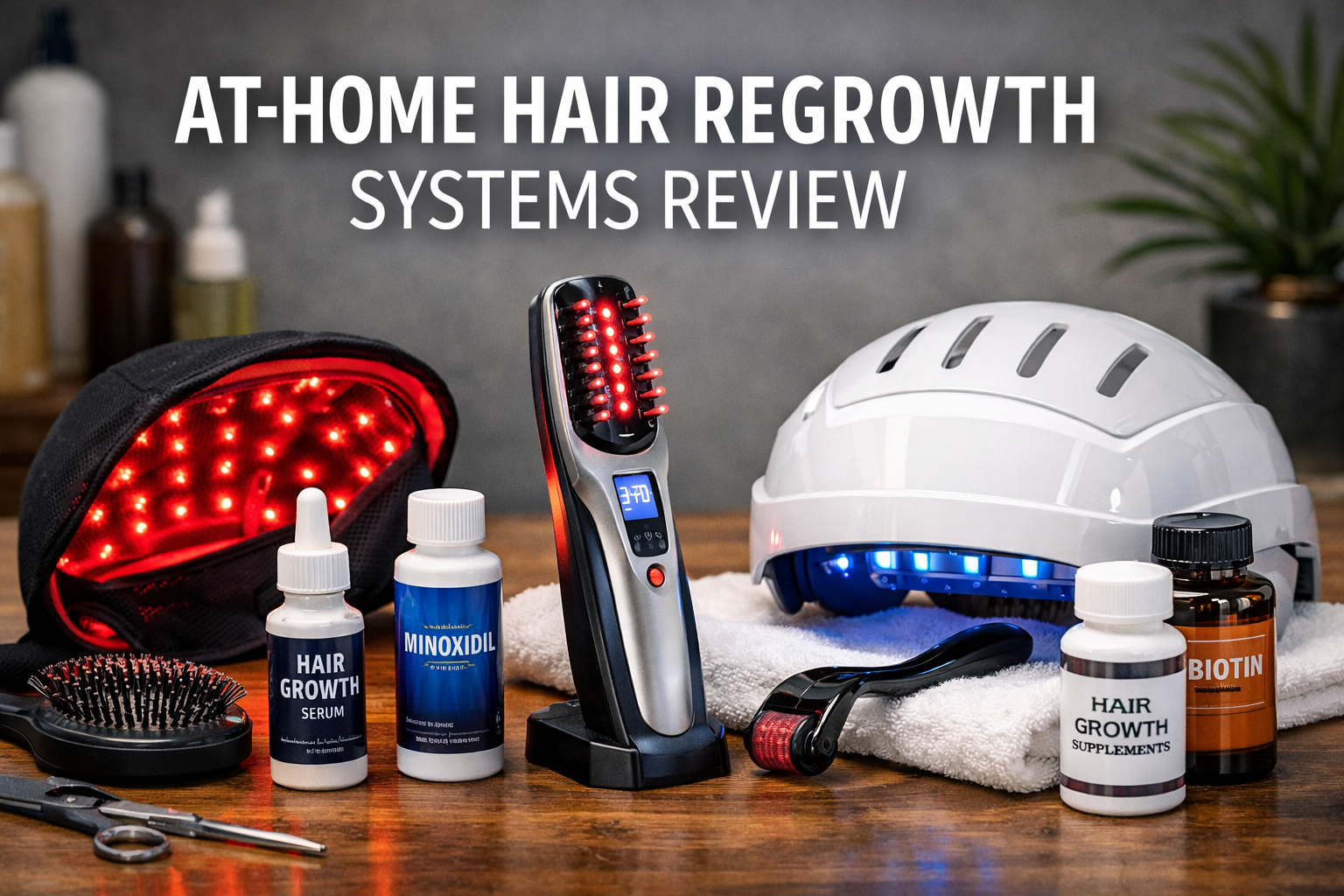
At-Home Hair Regrowth Systems Review (Continued): A Personal Journey Through Hope, Doubt, and Small Wins
I didn’t notice the hair loss all at once. It wasn’t dramatic, not the kind you see in commercials where clumps fall out in slow motion. Mine was quieter. Subtle. The kind that creeps into your life through the bathroom drain, through the widening part in your hair, through photos you start avoiding because something just feels… off.
At first, I told myself it was stress. School, work, life—there’s always something to blame. But then weeks turned into months, and the shedding didn’t stop. That’s when I found myself deep in the world of at-home hair regrowth systems—a world filled with promises, science, skepticism, and, honestly, a lot of confusion.
This blog isn’t just a review. It’s my story of trying to take control of something that felt so personal and yet so out of my hands.
The Beginning: Falling Into the Rabbit Hole
It started with a late-night search: “how to stop hair loss at home.” One click led to another, and suddenly I was reading about scalp serums, laser caps, microneedling devices, supplements, oils, and routines that felt more complicated than skincare.
Every product claimed to be the one. Every review sounded convincing. But the more I read, the more I realized something important: there is no single miracle solution. Hair regrowth, especially at home, is about consistency, patience, and finding what works for you.
So I decided to try a few systems—not randomly, but intentionally. I chose products from different categories so I could understand how each one works and what it actually feels like to use them daily.
1. Topical Treatments: The First Step Into Action
The first system I committed to was a topical solution—something you apply directly to the scalp.
I remember the first night clearly. Standing in front of the mirror, parting my hair carefully, dropper in hand. It felt almost clinical, like I was performing a small experiment on myself.
Topical treatments are often the most accessible entry point. Many are designed to stimulate hair follicles and improve scalp health. Some are backed by more research than others, but the key thing I noticed wasn’t just what was in the bottle—it was how it fit into my routine.
At first, it felt like a chore. The texture, the slight stickiness, the need to be consistent every single day—it tested my patience. But something shifted after a few weeks. It became less of a task and more of a ritual. A quiet moment at the end of the day where I was doing something for myself.
Did I see instant results? No. That’s one of the hardest truths to accept. Hair regrowth doesn’t work on a quick timeline. But after about two months, I noticed less hair falling out during showers. That alone felt like progress.
2. Laser Therapy Devices: Science Meets Skepticism
If you had told me a year ago that I’d be sitting at home wearing a glowing helmet to regrow my hair, I would’ve laughed.
But there I was.
Low-level laser therapy (LLLT) devices—often in the form of caps or combs—are designed to stimulate hair follicles using light energy. It sounds futuristic, and honestly, it feels that way too.
The first time I used one, I was skeptical. I kept thinking: Is this actually doing anything? Or am I just sitting here with a fancy gadget on my head?
The sessions were short, usually around 15–30 minutes, a few times a week. The best part? It was passive. I could sit, scroll on my phone, or watch something while using it.
What surprised me most wasn’t immediate regrowth, but how it made me feel more in control. It added structure to my routine, like I was actively participating in the process rather than just hoping for change.
After about three months, I started noticing tiny, soft hairs along my hairline—what people often call “baby hairs.” It wasn’t dramatic, but it was real. And that mattered.
3. Microneedling: The Turning Point
Out of everything I tried, microneedling was the most intimidating at first.
The idea of using tiny needles on my scalp didn’t exactly sound appealing. I hesitated for weeks before finally trying it.
But once I did, it changed how I viewed at-home systems.
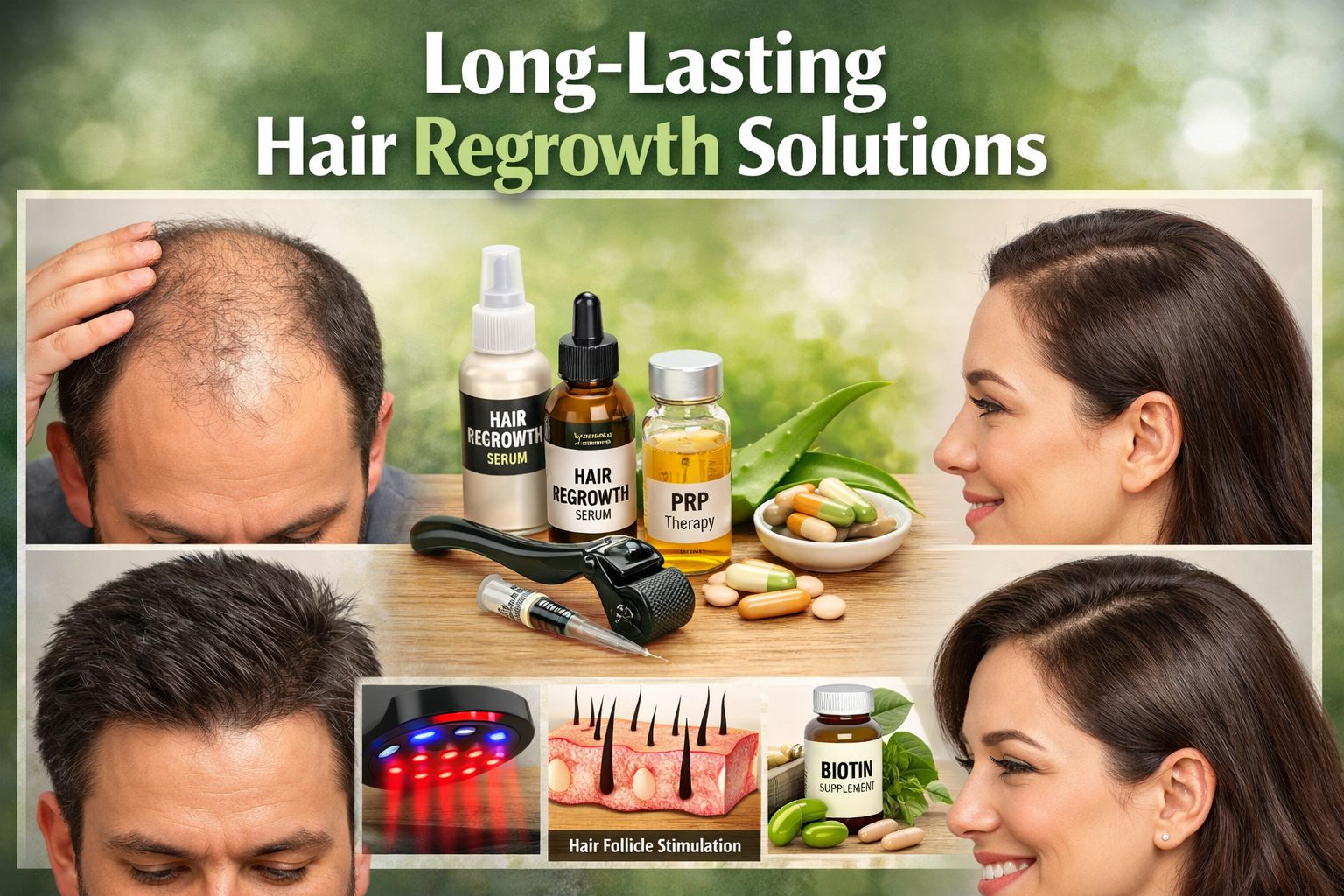
Microneedling works by creating very small micro-injuries on the scalp, which can help stimulate the skin’s natural repair process and improve the absorption of topical treatments.
The first session felt strange—not painful, but definitely unfamiliar. There was a slight tingling sensation, and afterward, my scalp felt more sensitive than usual.
What stood out to me was how intentional it felt. Unlike applying a serum or wearing a device, microneedling required focus and care. It made me slow down and really pay attention to my scalp.
I didn’t do it daily—usually once a week. And over time, I noticed that my scalp felt healthier, less irritated, and more responsive to the treatments I was using.
It wasn’t a standalone solution, but combined with other methods, it felt like a turning point.
4. Hair Growth Shampoos and Oils: The Supporting Cast
If topical treatments and devices are the main actors, then shampoos and oils are the supporting cast.
At first, I underestimated them. I thought, It’s just shampoo—how much difference can it really make?
But I learned that scalp health plays a huge role in hair growth. A clean, balanced scalp creates a better environment for hair follicles to function.
I started paying more attention to how my scalp felt after washing—was it dry? Tight? Oily too quickly?
Switching to gentler, targeted shampoos made a difference in comfort more than anything else. And oils—while not a miracle cure—became part of a calming routine.
There’s something surprisingly grounding about massaging oil into your scalp. It’s slow, repetitive, and almost meditative.
Did it regrow my hair on its own? No. But it supported everything else I was doing.
5. Supplements: The Invisible Factor
Supplements were the easiest to take and the hardest to evaluate.
You just swallow a capsule and hope something is happening inside your body.
I approached this category carefully. It’s easy to assume that more is better, but that’s not always true. I focused on maintaining a balanced approach rather than expecting instant transformation.
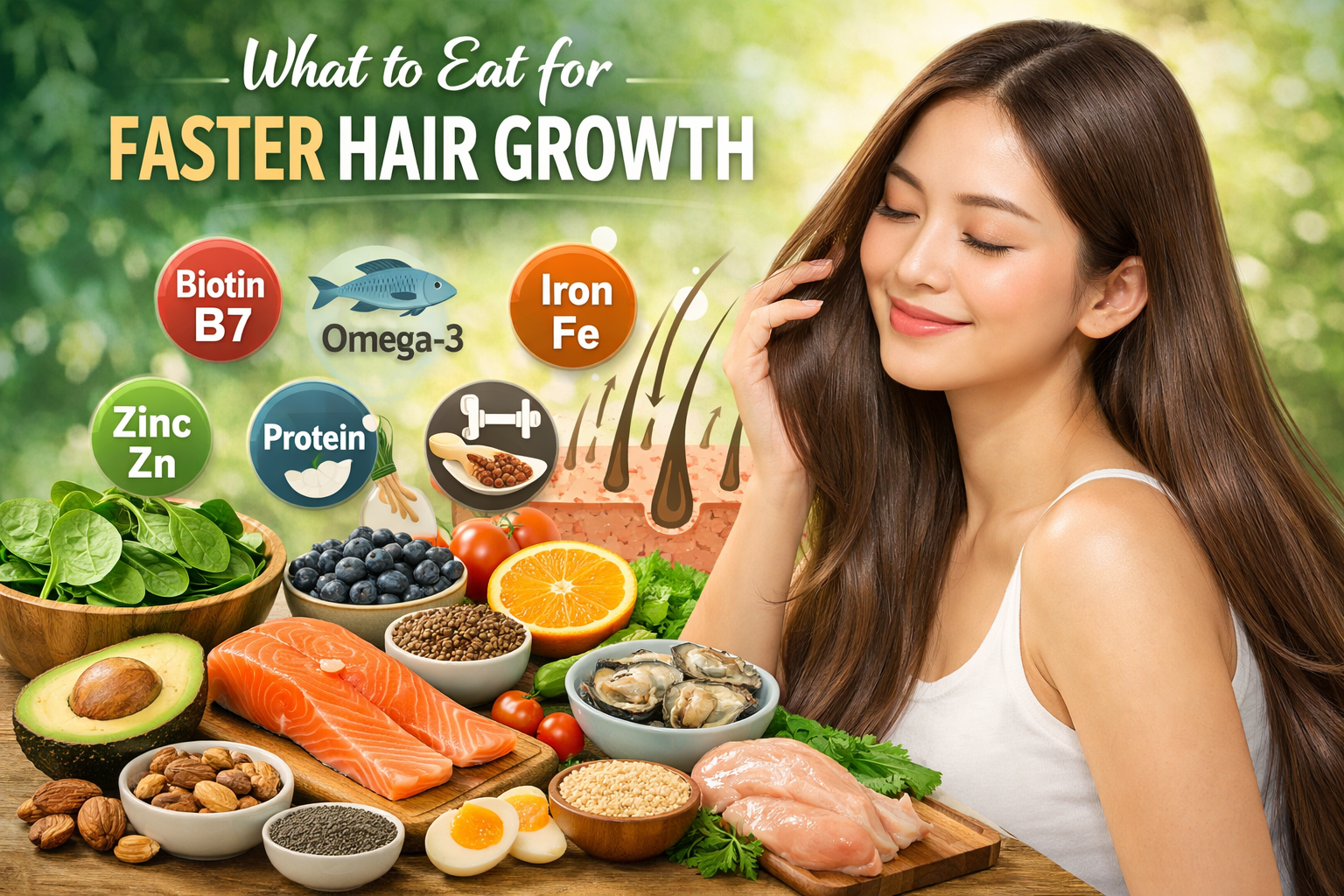
What I noticed over time wasn’t just about hair—it was overall well-being. Energy levels, nail strength, even skin clarity. These small changes added up, even if they weren’t dramatic.
The Reality Check: What Actually Works?
After months of trying different at-home hair regrowth systems, here’s the truth I wish I had understood earlier:
There is no overnight success.
Most systems don’t fail because they don’t work—they fail because people stop too soon.
Hair grows slowly. Progress is subtle. And sometimes, the biggest change is simply stabilizing hair loss rather than reversing it completely.
For me, the most effective approach wasn’t a single product. It was a combination:
- A consistent topical treatment
- Occasional microneedling
- Regular use of a laser device
- Supportive scalp care
Together, they created a system that felt manageable and sustainable.
The Emotional Side: More Than Just Hair
What surprised me most wasn’t the physical changes—it was the emotional journey.
Hair loss can quietly affect confidence. It changes how you see yourself in the mirror. It makes you second-guess things you never used to think about.
But building a routine gave me something unexpected: a sense of control.
Even on days when I didn’t see progress, I knew I was doing something. Taking small, consistent steps instead of feeling helpless.
And over time, that mindset shift mattered just as much as any regrowth.
Final Thoughts: Is It Worth It?
If you’re considering at-home hair regrowth systems, here’s what I’d tell you—not as an expert, but as someone who’s been through it:
It’s worth trying, but only if you’re ready to be patient.
Don’t expect dramatic changes in a few weeks. Don’t rely on a single product to fix everything. And don’t compare your journey to someone else’s.
What works for one person might not work for another—and that’s okay.
Start simple. Stay consistent. Pay attention to how your body responds.
And most importantly, don’t let the process become stressful. The goal isn’t just to regrow hair—it’s to feel better, more confident, and more in control.
A Quiet Kind of Progress
Today, when I look in the mirror, I don’t see perfection. But I do see progress.
The shedding has slowed. The thin areas feel a little fuller. And those tiny baby hairs? They’re still there, slowly growing, reminding me that change is happening—even if it’s not always obvious.
And maybe that’s the biggest lesson of all:
Hair regrowth isn’t about quick transformations.
It’s about small, steady changes—and learning to notice them.