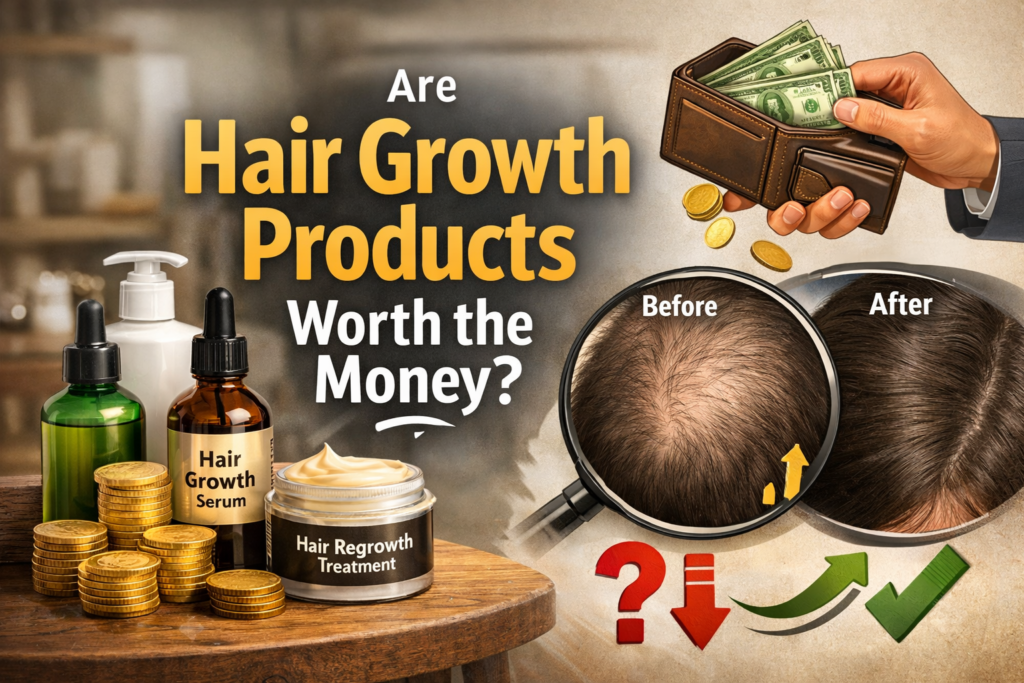
Are Hair Growth Products Worth the Money? A Personal Journey Through Hope, Hype, and Hard Truths
I still remember the first time I noticed it.
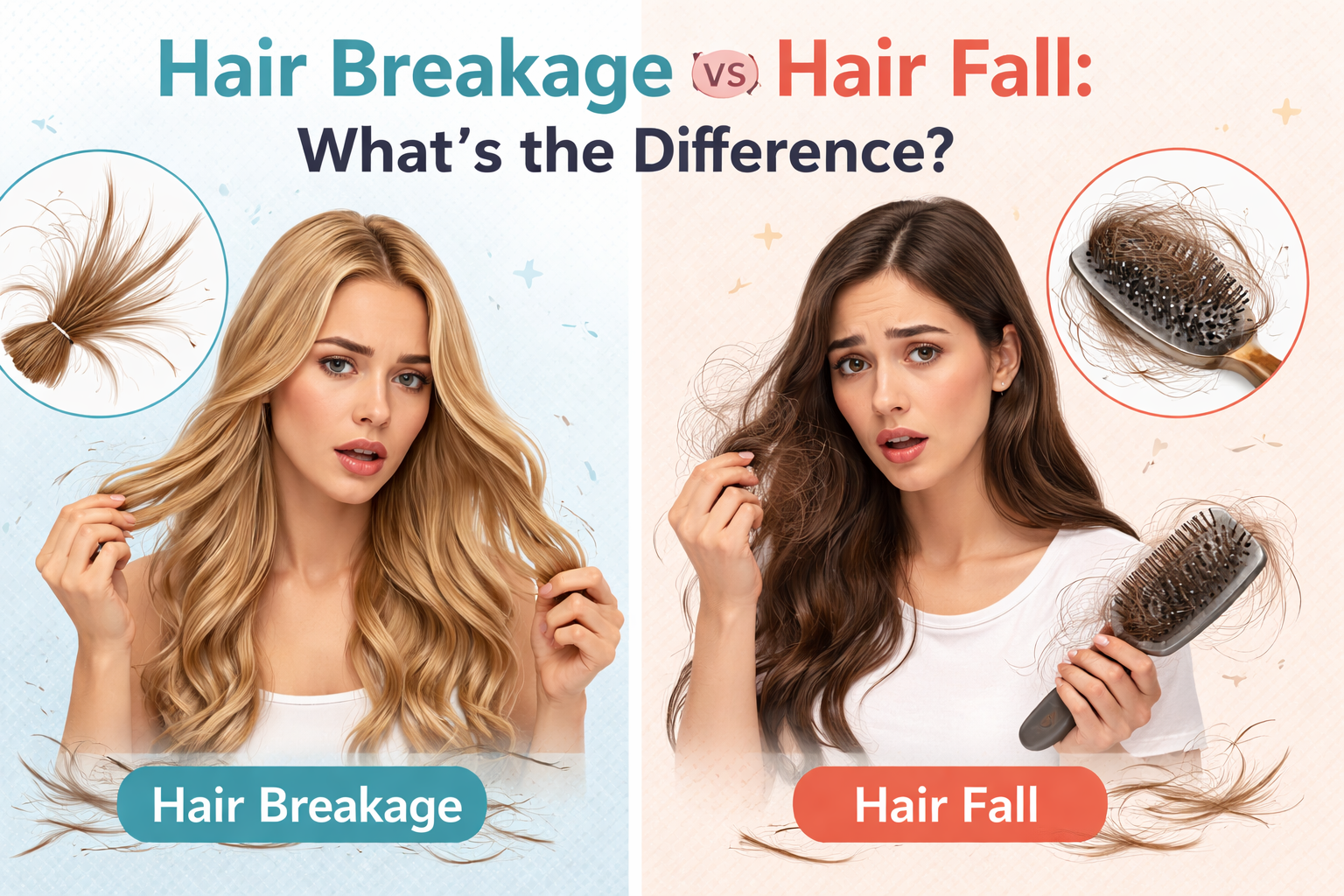
It wasn’t dramatic. No sudden clumps of hair falling out, no cinematic moment in front of a mirror. Just a quiet realization one morning while getting ready for school—the part in my hair looked wider than usual. At first, I brushed it off. Maybe it was just the lighting. Maybe I hadn’t styled it right. But over the next few weeks, that small doubt grew louder.
And like most people in that situation, I did what anyone with Wi-Fi would do: I started searching.
“Best hair growth products.”
“Fastest way to regrow hair.”
“Do hair serums actually work?”
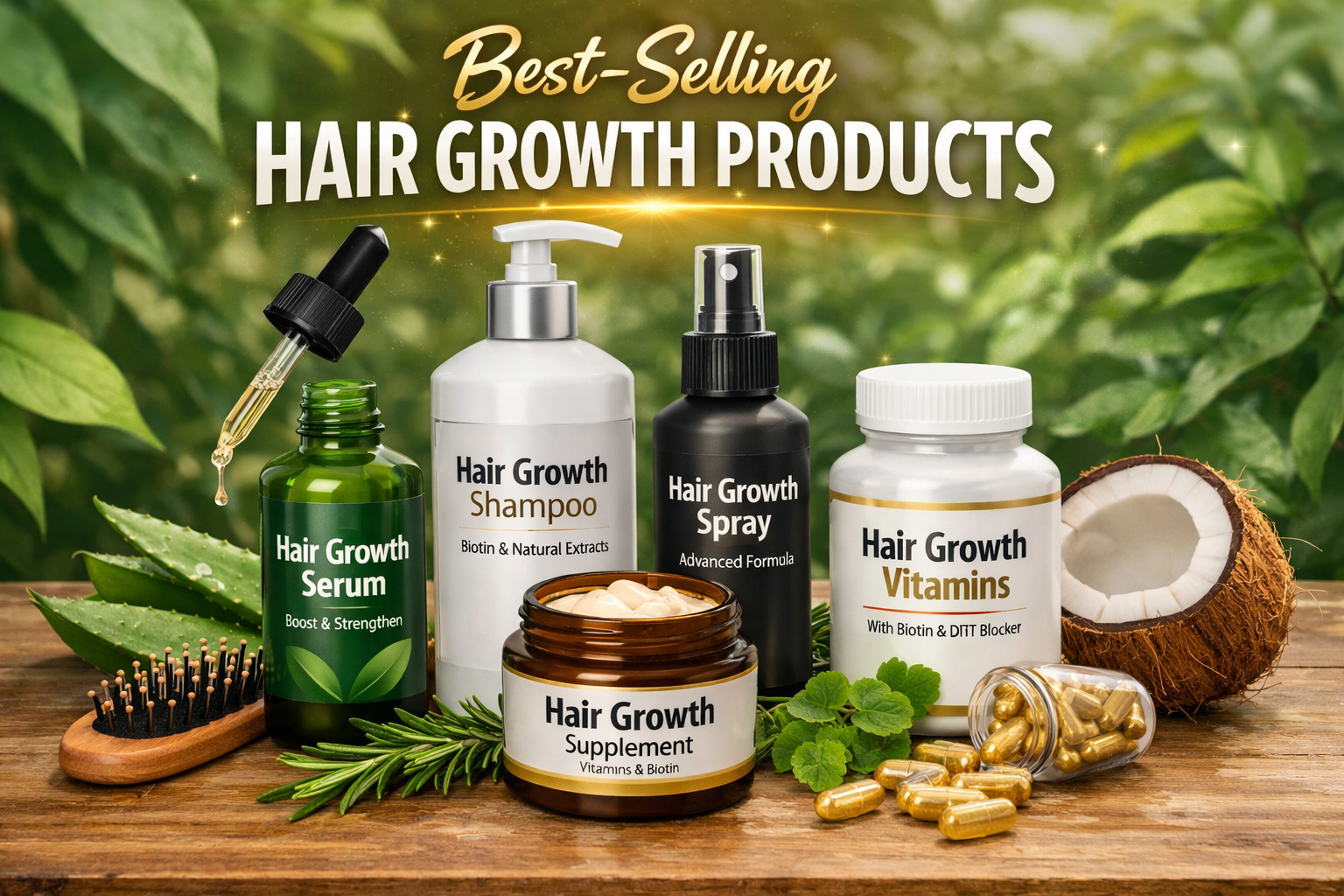
What I found was overwhelming. Oils, serums, supplements, shampoos, derma rollers, laser caps—each promising thicker, longer, healthier hair. Some had glowing reviews, others had before-and-after photos that looked almost too good to be true. Prices ranged from affordable to shockingly expensive. And every product seemed to say the same thing: this one works.
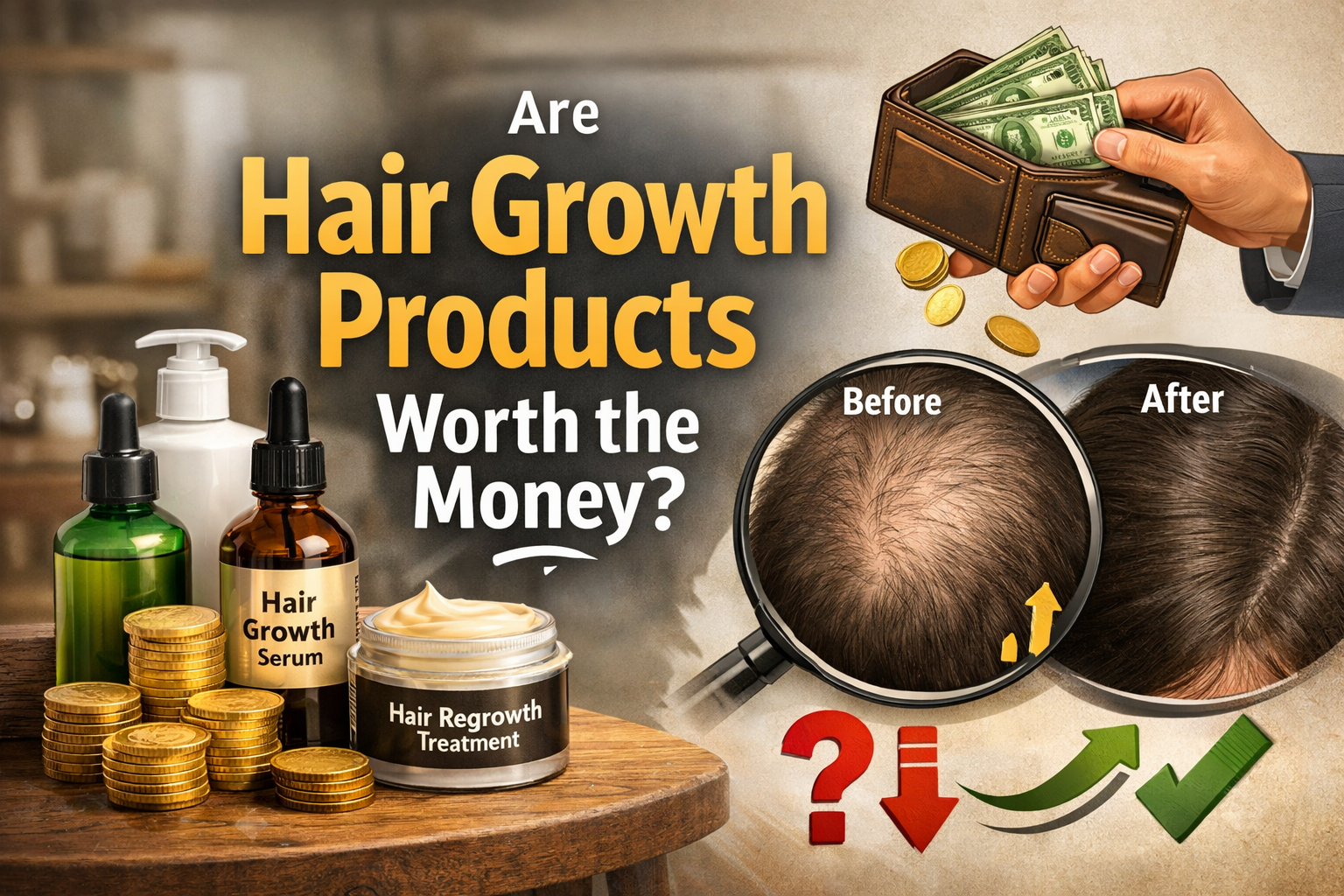
So the question became unavoidable: Are hair growth products actually worth the money?
This blog isn’t just an answer. It’s a story—one that mixes curiosity, trial and error, a bit of frustration, and eventually, clarity.
The Beginning: Hope in a Bottle
The first product I bought was a hair growth serum. It wasn’t too expensive, which made it feel like a safe bet. The packaging was sleek, the reviews were convincing, and the description promised visible results in just a few weeks.
I remember applying it carefully that first night, massaging it into my scalp like the instructions said. There was something comforting about the routine—like I was taking control of the situation instead of just worrying about it.
For the first few days, nothing changed. Of course, I didn’t expect miracles overnight. But after two weeks, I started looking for changes. I checked my hairline in different lighting, took photos to compare, even asked a friend if they noticed anything different.
They didn’t.
And honestly? Neither did I.
But I kept using it. Because once you spend money on something, it’s hard to stop. There’s always that voice saying, “Maybe you just need more time.”
The Industry Behind the Promise
Here’s something I wish I understood earlier: the hair growth industry is massive. And like many big industries, it thrives on a mix of science, marketing, and emotion.
Hair loss—or even just the fear of it—is deeply personal. It can affect confidence, self-image, and the way we see ourselves in everyday situations. Companies know this. And they design their products—and their marketing—to speak directly to that feeling.
That’s why so many products sound convincing. They use scientific terms, clinical-looking packaging, and testimonials that feel relatable. But not all of them are backed by strong evidence.
Some ingredients do have research supporting them. Others? Not so much.
Understanding that difference is where things start to shift.
What Actually Works (And What Might Not)
After trying a few more products—some better, some worse—I started digging deeper. Not just reviews, but actual information about ingredients.
Here’s what I learned.
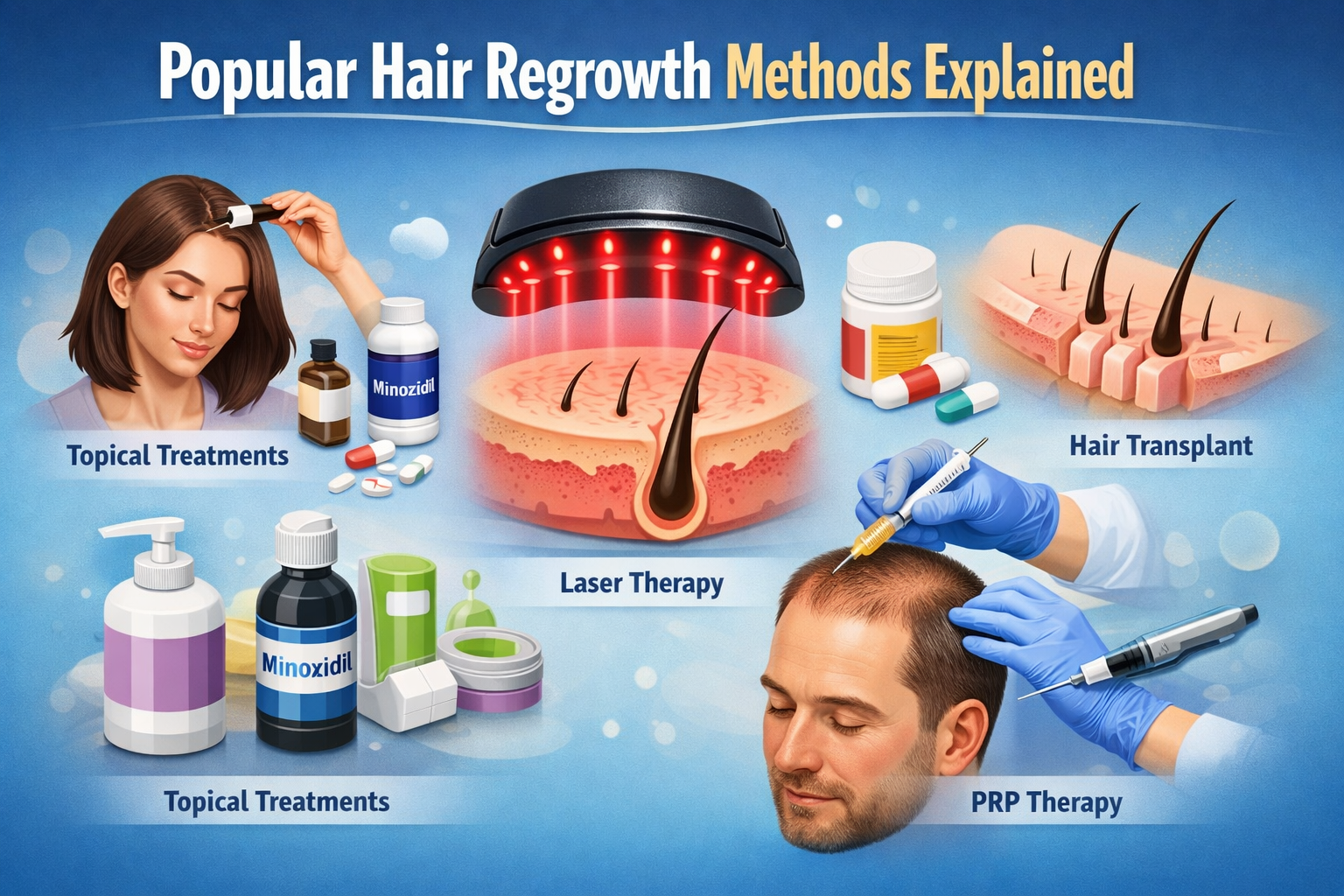
There are a few treatments that have been studied more seriously than others. For example, certain medications and clinically tested solutions have shown real results for some people. These aren’t magic cures, and they don’t work for everyone, but they’re supported by stronger evidence than most over-the-counter products.
Then there are products like oils, herbal serums, and “natural” treatments. Some people swear by them. And to be fair, they can improve scalp health, reduce dryness, and make hair look shinier or feel stronger.
But here’s the key point: healthier-looking hair is not always the same as new hair growth.
That distinction matters more than most ads will tell you.
The Emotional Side of Buying
One thing I didn’t expect was how emotional the whole process would be.
Every time a product didn’t work, it felt a little disappointing. Not devastating, but enough to make me question whether I was wasting money—or worse, falling for something that was never going to help.
At the same time, there’s always that next product. The one with better reviews. The one that “worked for everyone else.” The one that feels like a second chance.
It becomes a cycle: hope, try, wait, doubt, repeat.
And that cycle can get expensive.
The Cost: More Than Just Money
Let’s talk about the actual cost.
Hair growth products aren’t always cheap. Even mid-range ones add up over time, especially since most of them require consistent use for months.
But the real cost isn’t just financial. It’s also:
- Time: Daily routines, waiting for results, researching products
- Energy: Thinking about it, worrying about it, checking for progress
- Expectations: The mental weight of hoping something will work
When you add all of that together, the question becomes more complex than just “Is this product worth $30 or $100?”
It becomes: Is this worth my attention, my time, and my expectations?
What I Started Doing Differently
After a while, I changed my approach.
Instead of chasing every new product, I focused on a few key things:
1. Understanding the cause
Hair changes can happen for many reasons—stress, diet, hormones, genetics, or even how you treat your hair daily. Without understanding the cause, it’s hard to choose the right solution.
2. Keeping expectations realistic
No product can instantly transform your hair. Real changes, when they happen, take time—and even then, they might be subtle.
3. Focusing on overall hair care
Simple habits started to matter more than expensive products:
- Being gentle when brushing
- Avoiding too much heat styling
- Using products that suit my hair type
- Paying attention to nutrition and hydration
These didn’t feel as exciting as buying a new serum. But over time, they made a noticeable difference in how my hair looked and felt.
So… Are Hair Growth Products Worth It?
The honest answer is: it depends.
Some products can be helpful, especially if they’re backed by research and used consistently. Others might improve the appearance of your hair without actually affecting growth. And some, unfortunately, are mostly marketing.
If you’re thinking about trying one, here are a few things to keep in mind:
- Check the ingredients, not just the claims
- Be cautious of “miracle” promises
- Give it enough time, but not endless time
- Know when to stop if it’s not working
And maybe most importantly: don’t let a product define how you feel about yourself.
The Part No One Talks About Enough
Here’s something I wish more people said out loud:
Hair changes are normal.
They happen. To a lot of people. At different ages, for different reasons. And while it’s okay to care about your appearance and want to improve it, it’s also important not to tie your confidence entirely to it.
That took me a while to understand.
At first, every “bad hair day” felt bigger than it should have. But over time, I realized that most people don’t notice the small details we obsess over. And even if they do, it rarely matters as much as we think.
The Final Takeaway
If you’re standing where I once stood—scrolling through products, reading reviews, wondering which one is “the one”—here’s what I’d say:
Hair growth products can be worth the money, but only if you approach them with the right mindset.
Not as a guaranteed fix. Not as a shortcut. But as one small part of a bigger picture that includes care, patience, and realistic expectations.
And if something doesn’t work? That’s not a failure. It’s just information.
Because in the end, the real goal isn’t just better hair.
It’s feeling comfortable in your own skin—whether your hair is having a great day or not.