Male vs Female Hair Growth Results
I still remember the first time I noticed a strand of hair clinging stubbornly to my comb. It wasn’t dramatic—no sudden clumps, no alarming patches—but it was enough to make me pause. At that moment, I realized something most of us only vaguely understand: hair growth isn’t just about biology. It’s deeply personal, subtly emotional, and surprisingly different depending on whether you’re male or female.
As I continued to explore this topic, what began as simple curiosity slowly unfolded into a layered story—one shaped by hormones, expectations, genetics, and even culture. The differences in male and female hair growth aren’t just scientific facts; they’re lived experiences, often quietly shaping confidence, identity, and daily habits.
The Biological Foundation: Where It All Begins
At its core, hair growth is governed by a cycle—growth (anagen), transition (catagen), and rest (telogen). Everyone has this cycle, but how it behaves differs significantly between men and women.
Men, for instance, tend to have shorter hair growth cycles on the scalp. That’s one reason why it can feel harder for some men to grow long hair compared to women. Women generally experience longer anagen phases, which allows their hair to grow longer and appear fuller over time.
But the real difference-maker lies in hormones.
Hormones: The Invisible Architects
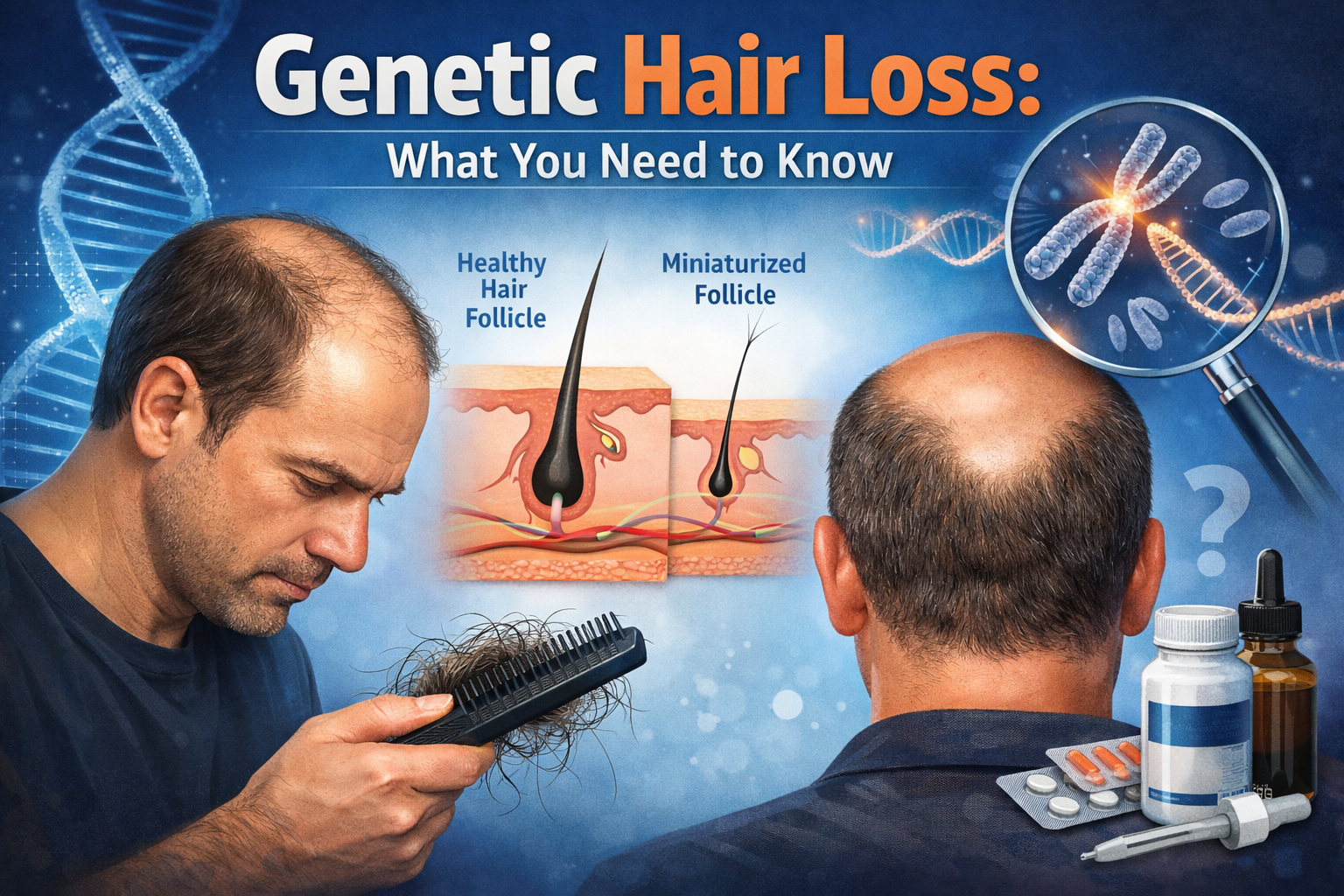
Testosterone and its derivative, dihydrotestosterone (DHT), play a major role in male hair growth patterns. DHT, in particular, has a paradoxical effect—it stimulates hair growth in areas like the face and chest while simultaneously shrinking hair follicles on the scalp.
That’s why many men can grow thick beards but struggle with thinning hair on top. It’s not contradictory; it’s simply how the body responds to hormonal signals.
Women, on the other hand, have much lower levels of testosterone. Their hair growth is more influenced by estrogen, which tends to support scalp hair health and prolong the growth phase. This is why women often experience thicker, more resilient scalp hair—at least until hormonal shifts, such as pregnancy or menopause, come into play.
I once spoke to a friend who described her postpartum hair loss as “watching seasons change too quickly.” It was temporary, but it revealed how sensitive hair growth can be to internal changes.
Patterns of Hair Growth and Loss
One of the most visible differences between men and women is how hair loss appears.
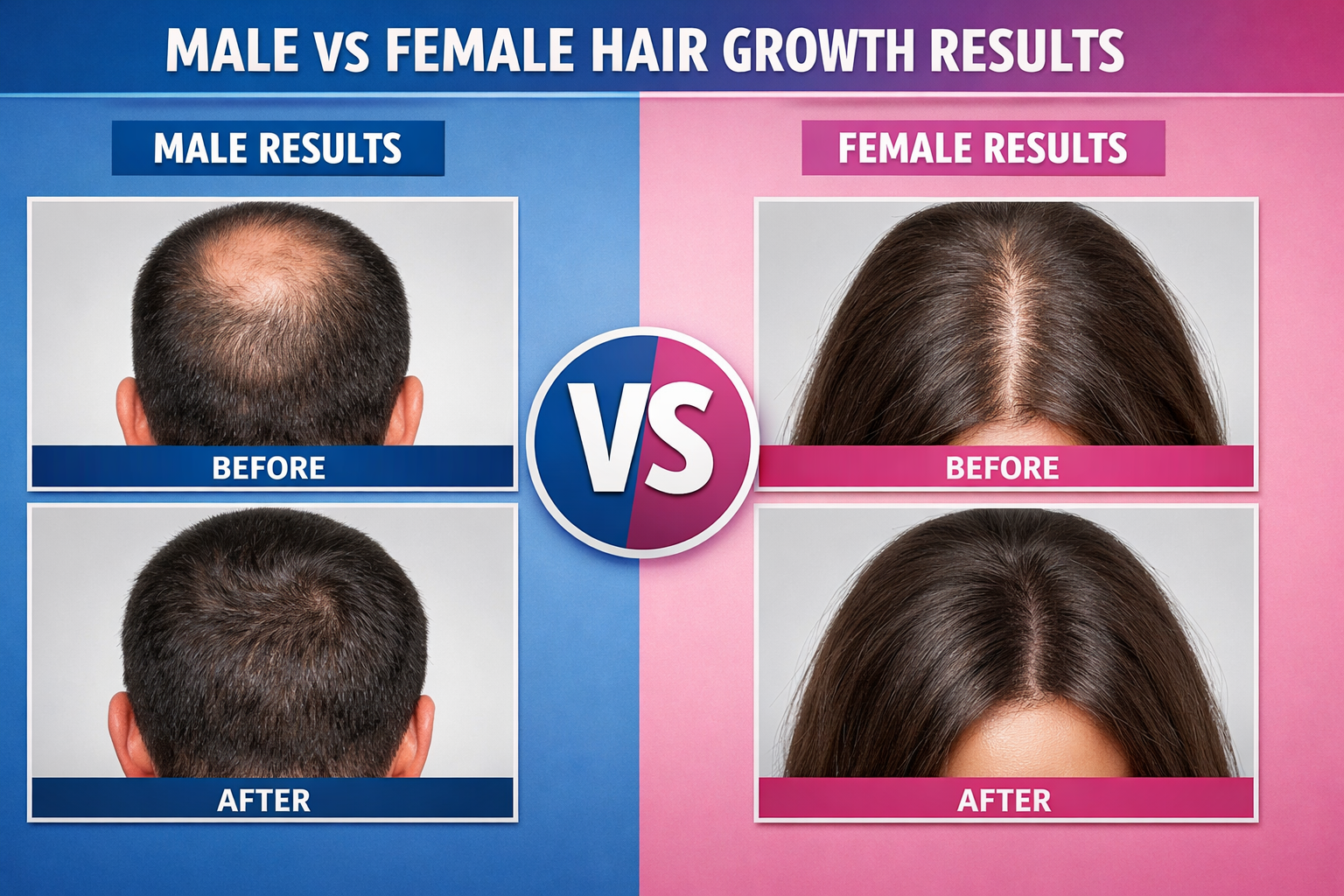
Men typically experience what’s known as male pattern baldness. It often starts with a receding hairline or thinning at the crown, gradually forming recognizable patterns over time. For many men, this process begins as early as their late teens or early twenties.
Women, however, tend to experience more diffuse thinning. Instead of losing hair in specific spots, they notice an overall reduction in volume. The part widens, the ponytail feels thinner, and the mirror reflects a subtle but undeniable change.
What struck me most while researching this was how differently these patterns are perceived socially. Male baldness is often normalized—even expected—while female hair thinning is less openly discussed, sometimes carrying a heavier emotional burden.
Growth Rate: Is There Really a Difference?
On average, human hair grows about half an inch per month. But when you look closer, there are slight variations.
Men’s hair may grow marginally faster due to higher levels of certain androgens. However, this doesn’t necessarily translate to longer hair because the growth phase is shorter.
Women’s hair, while sometimes growing a bit slower, often appears longer and fuller because it stays in the growth phase longer before shedding.
It’s a subtle distinction, but it explains why a woman might go years without cutting her hair and still see significant length, while a man might feel stuck at a certain point despite patience.
Lifestyle and External Influences
As I dug deeper, I realized biology is only part of the story. Lifestyle choices—diet, stress, hair care routines—play a significant role, and these often differ between men and women.
Women, for example, are more likely to engage in regular hair care routines: conditioning, oil treatments, protective styling. These practices can support hair health, though excessive styling or heat can sometimes cause damage.
Men, on the other hand, may adopt a more minimal approach. While this can reduce damage from styling, it may also mean less attention to scalp health or early signs of hair thinning.
Stress is another shared factor, but its effects can manifest differently. I remember going through a particularly intense period in my life when everything felt uncertain. It wasn’t until weeks later that I noticed more hair than usual falling out. It was a quiet reminder that our bodies often carry the weight of our experiences in ways we don’t immediately see.
The Emotional Dimension
Hair is rarely just hair.
For men, losing hair can feel like losing a sense of youth or vitality. Some embrace it, shaving their heads and redefining their look. Others search for solutions—treatments, supplements, or simply reassurance.
For women, hair is often tied even more closely to identity. Changes in thickness or volume can feel deeply personal, sometimes affecting confidence in ways that are hard to articulate.
What I found most meaningful in this exploration was realizing that behind every statistic or scientific explanation, there’s a human story. A quiet moment in front of the mirror. A decision to try something new. A gradual acceptance of change.
Treatments and Solutions: Different Paths
Because the causes of hair growth differences vary, so do the approaches to treatment.
Men often turn to solutions targeting DHT, such as medications designed to slow hair loss or stimulate regrowth. Women’s treatments, meanwhile, are often more focused on balancing hormones or addressing underlying health factors like iron deficiency or thyroid issues.
There’s also a growing interest in natural approaches—diet improvements, scalp massages, essential oils. While results can vary, these methods reflect a broader shift toward holistic care.
I tried incorporating small changes myself—paying more attention to nutrition, being gentler with my hair, and even taking a few extra minutes to massage my scalp. The results weren’t instant, but the process felt grounding, almost meditative.
Cultural Expectations and Perception
One aspect that often goes unspoken is how culture shapes our understanding of hair.
In many societies, thick, healthy hair is associated with beauty and vitality, particularly for women. For men, a full head of hair can symbolize youth, but baldness is often framed as mature or even distinguished.
These narratives influence how individuals perceive their own hair growth journeys. They can add pressure, but they can also create space for redefining beauty on one’s own terms.
The Future of Hair Growth Research
As science advances, new treatments and technologies are emerging. From stem cell research to advanced topical solutions, the future of hair growth looks promising.
But what excites me most isn’t just the potential for better results—it’s the growing awareness and openness around the topic. People are talking more, sharing experiences, and supporting one another in ways that weren’t as common before.
Final Reflections
Looking back, what started as a simple comparison between male and female hair growth turned into something much more personal.
It’s not just about who grows hair faster or who experiences more loss. It’s about understanding the subtle interplay between biology and identity, science and emotion.
If there’s one thing I’ve learned, it’s this: hair growth is a journey, not a fixed outcome. It changes with time, with circumstances, and with the stories we live through.
And perhaps the most important part isn’t achieving perfect hair, but learning to understand—and even appreciate—the one we have.
Because in the end, every strand carries a story.