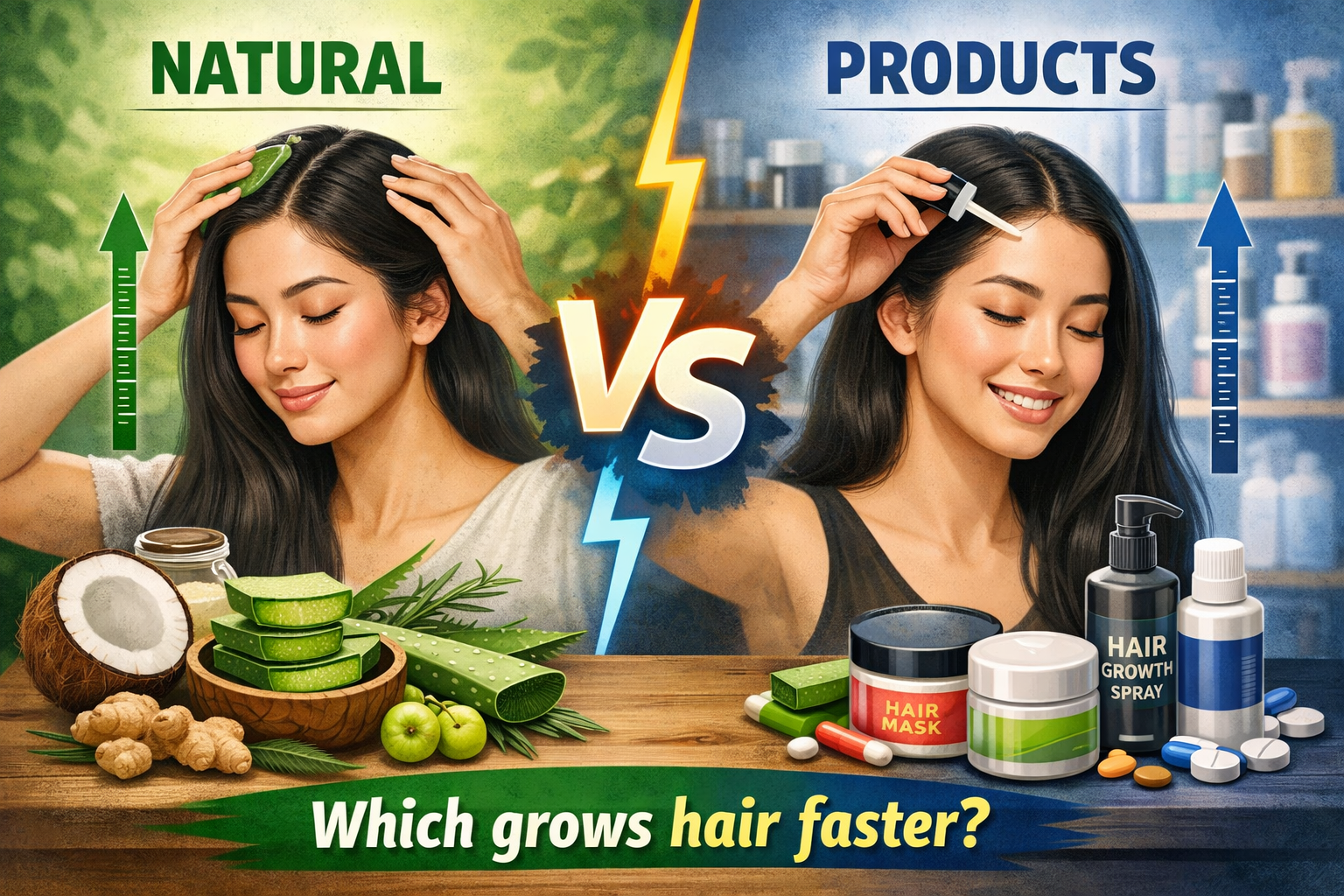
Natural vs. Products: Which Grows Hair Faster?
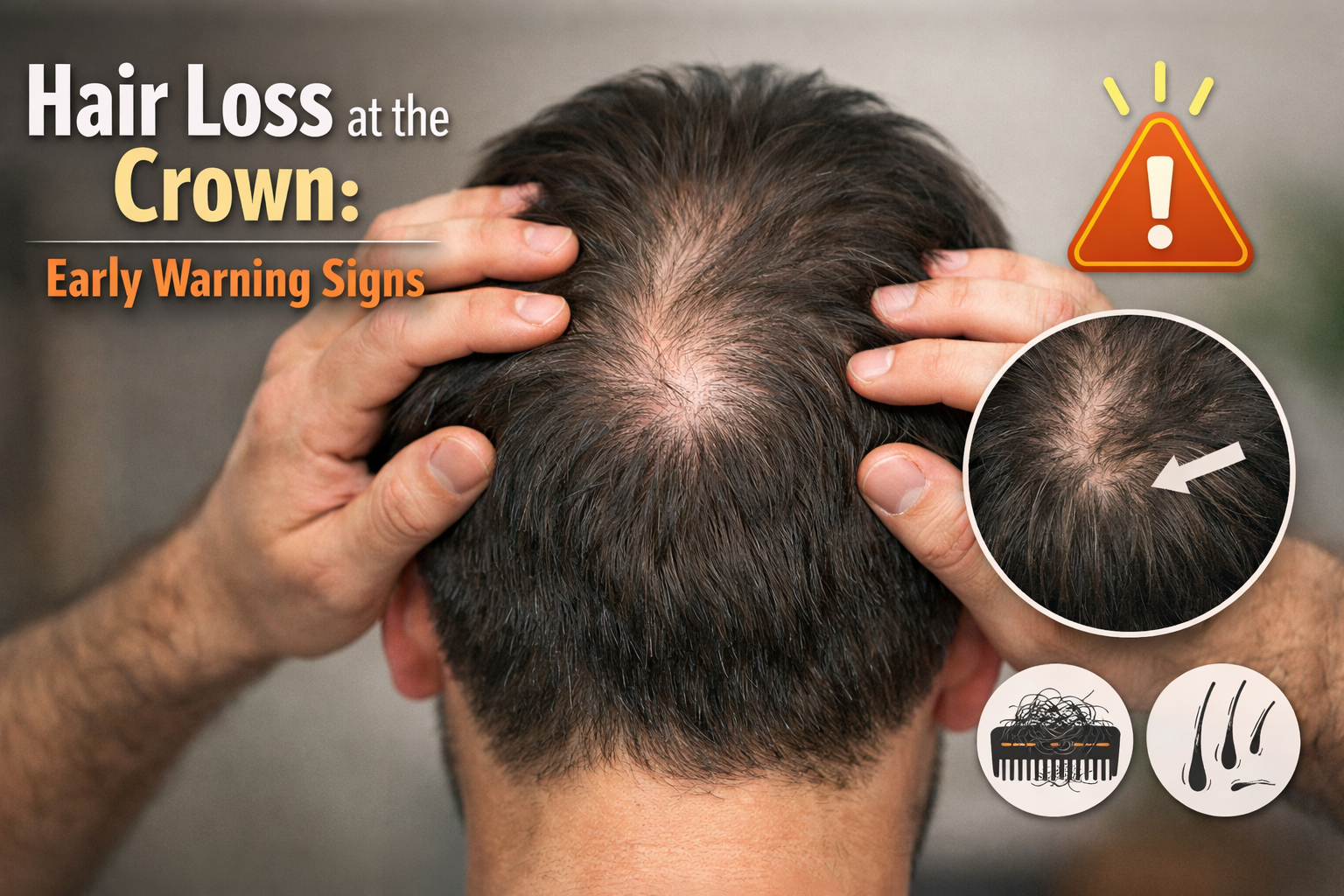
I didn’t start thinking about my hair until I noticed it on my pillow.
At first, it was just a few strands—barely noticeable, easy to ignore. I told myself it was normal. Everyone sheds hair, right? But then it showed up more often: on my brush, in the shower drain, tangled in my fingers when I ran them through my scalp absentmindedly. That’s when the quiet worry began to grow louder.
Like many people, my first instinct was to look for a solution—something quick, something effective, something that could reverse what felt like a slow but steady loss. And that’s when I found myself caught in a question that seems simple on the surface but is surprisingly complicated:
What actually grows hair faster—natural remedies or commercial products?
The Beginning: A Shelf Full of Hope
I still remember the first product I bought. It came in a sleek bottle with promises printed boldly on the label: “Visible results in 2 weeks.” It sounded convincing. Scientific, even. I didn’t hesitate.
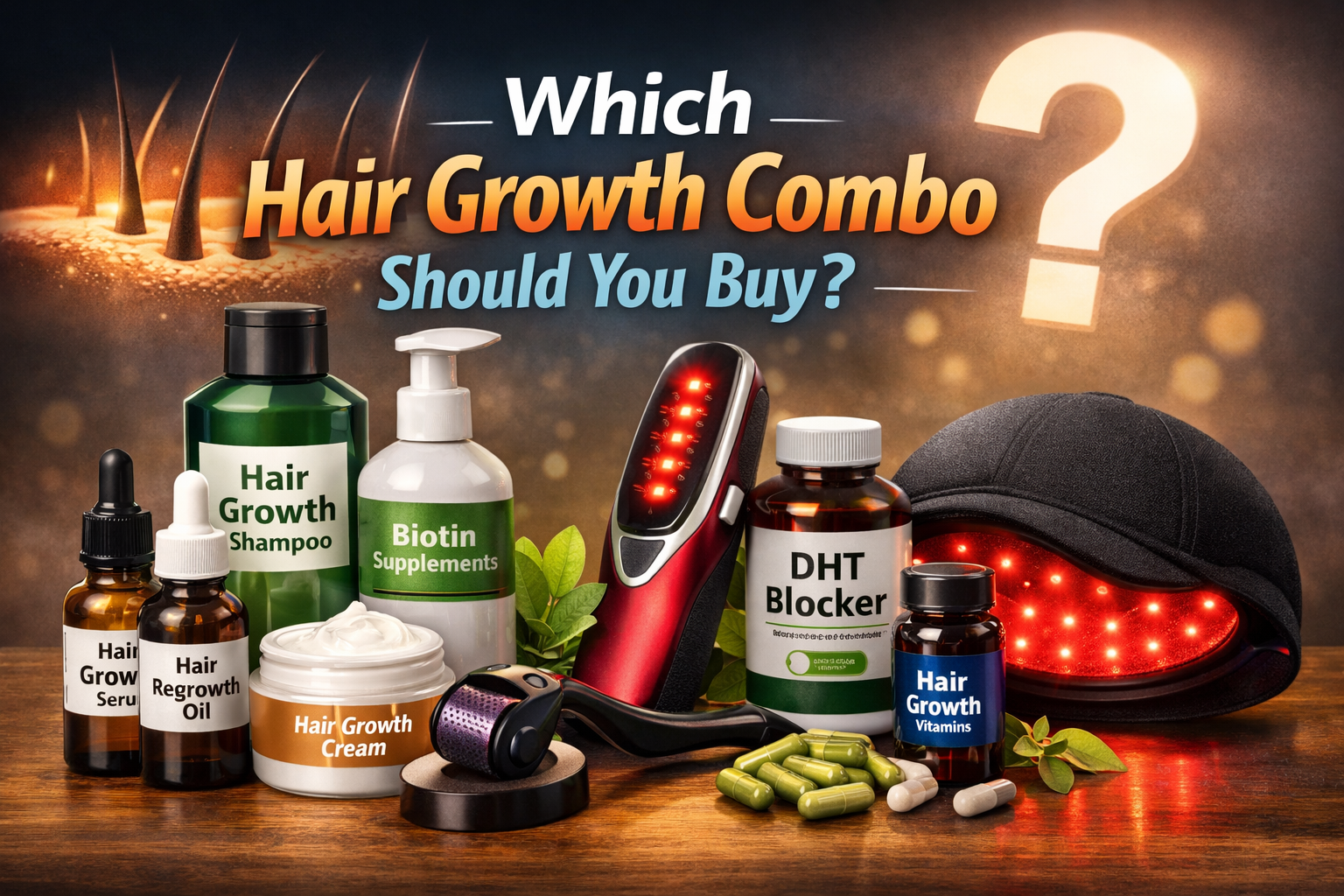
That bottle quickly turned into a collection.
Serums, shampoos, conditioners, oils infused with things I couldn’t pronounce—my bathroom shelf became a small pharmacy dedicated to hair regrowth. Every new purchase felt like a step closer to fixing the problem. And for a while, I believed I was doing everything right.
But here’s the thing no one tells you at the beginning:
More products don’t always mean better results.
After weeks—then months—I noticed something frustrating. My hair didn’t look drastically different. Maybe a bit softer, maybe slightly less breakage, but the dramatic transformation I expected? It never came.
That’s when I started to question everything.
Turning Back to Basics: The Natural Route
Out of curiosity—and maybe a bit of desperation—I decided to try something different. I turned to natural remedies. Not because I fully believed in them, but because I had run out of things to lose.
My grandmother used to talk about coconut oil like it was magic. Warm it slightly, massage it into the scalp, leave it overnight. Simple. No chemicals, no complicated instructions.
So I tried it.
The first thing I noticed wasn’t faster growth—it was the feeling. Slowing down, taking time to massage my scalp, paying attention to my body. It was different from squeezing a serum onto my hand and rushing through a routine.
Then I added more: castor oil, aloe vera, onion juice (which, honestly, smelled terrible but had a reputation I couldn’t ignore). I started paying attention to my diet too—more protein, more greens, more water.
And something subtle began to change.
Not overnight. Not dramatically. But gradually, my hair started to feel stronger. Healthier. Less fragile.
That’s when I realized something important:
Hair growth isn’t just about speed—it’s about conditions.
Understanding Hair Growth: What Actually Matters
Before comparing natural remedies and products, it’s worth understanding how hair grows in the first place.
Hair growth happens in cycles:
- Anagen (growth phase): This is when your hair is actively growing. It can last for years.
- Catagen (transition phase): A short period where growth slows down.
- Telogen (resting phase): Hair eventually sheds to make room for new growth.
Here’s the key point:
You can’t dramatically “speed up” this cycle overnight.
Most people’s hair grows about 1 to 1.5 centimeters per month. No oil, no serum, no miracle product can suddenly double that rate in a healthy, realistic way.
So what can you influence?
- The health of your scalp
- The strength of your hair strands
- The length of the growth phase
- The reduction of breakage and shedding
And this is where both natural methods and products come into play—but in very different ways.
Natural Remedies: Slow, Steady, and Supportive
Natural approaches don’t usually promise instant results. Instead, they work by improving the environment your hair grows in.
1. Scalp Health Comes First
Oils like coconut, castor, and argan help moisturize the scalp and reduce dryness. A healthy scalp means less inflammation, better blood flow, and stronger follicles.
Massaging these oils in isn’t just relaxing—it actually stimulates circulation, which can support hair growth over time.
2. Nutrients Matter More Than You Think
Hair is made mostly of protein. If your diet lacks essential nutrients, your hair reflects that.
Natural approaches often include:
- Eating more protein-rich foods
- Adding vitamins like biotin and iron (through food, not necessarily supplements)
- Staying hydrated
This isn’t flashy. It doesn’t come in a bottle. But it works from the inside out.
3. Minimal Damage
Natural routines tend to avoid harsh chemicals, which means less risk of irritation or damage. Over time, this can reduce hair fall caused by breakage.
The Downside?
Natural methods require patience. You won’t see dramatic changes in two weeks. Sometimes, not even in two months.
It’s more like planting a tree than flipping a switch.
Hair Products: Fast-Acting but Not Always Lasting
On the other side, commercial products are designed for efficiency and visible results.
1. Targeted Ingredients
Many products contain scientifically studied ingredients that can stimulate hair growth or reduce hair loss.
Some examples include:
- Caffeine (to stimulate follicles)
- Peptides (to strengthen hair)
- Minoxidil (a well-known treatment for hair loss)
These can produce noticeable results faster than natural remedies—especially in specific conditions.
2. Convenience
Let’s be honest: it’s easier to apply a serum than to prepare onion juice or warm oil.
Products are designed to fit into busy routines. That matters more than we sometimes admit.
3. Measurable Results
With consistent use, some products can reduce shedding or improve density in a relatively short time.
The Catch?
- Results often depend on continued use. Stop using the product, and the effects may fade.
- Some ingredients can cause irritation or dryness.
- Not all products are created equal—marketing can be misleading.
My Realization: It’s Not Either-Or
At some point, I stopped thinking of it as a competition.
Natural vs. products. Slow vs. fast. Traditional vs. modern.
Because the truth is, the best approach often lies somewhere in between.
I started combining both.
- I kept using a gentle, well-formulated shampoo.
- I added a lightweight serum a few times a week.
- But I didn’t give up my oil massages or my improved diet.
And that’s when I saw the most balanced results.
My hair didn’t suddenly grow twice as fast—but it grew better. Stronger strands, less breakage, more consistency.
The Emotional Side of Hair Growth
What surprised me most wasn’t the science—it was the emotional journey.
Hair is deeply personal. It’s tied to identity, confidence, even how we see ourselves in the mirror.
When you feel like you’re losing it, it’s not just about appearance. It’s about control.
And in that sense, both natural remedies and products offer something valuable:
- Products give you a sense of action—something immediate you can do.
- Natural methods give you a sense of connection—to your body, your habits, your patience.
Neither is wrong. But relying entirely on one can sometimes miss the bigger picture.
So, Which One Grows Hair Faster?
If we’re being completely honest:
Products can deliver quicker visible results—especially in the short term.
But
Natural methods build a healthier foundation that supports long-term growth.
And speed isn’t everything.
Because what’s the point of fast growth if the hair is weak, brittle, and prone to falling out?
A Better Question to Ask
Instead of asking, “Which grows hair faster?”
It might be more helpful to ask:
“What helps my hair grow stronger, longer, and more consistently over time?”
That shift in thinking changes everything.
What I Would Tell My Younger Self
If I could go back to the moment I first noticed those strands on my pillow, I wouldn’t tell myself to buy more products.
I’d say this:
Start simple.
Be consistent.
Take care of your body, not just your hair.
And don’t expect miracles overnight.
Because hair growth isn’t a race.
It’s a process—quiet, gradual, and often invisible until one day, you realize something has changed.
Final Thoughts
Natural remedies and hair products aren’t enemies. They’re tools.
Used wisely, they can complement each other. Used blindly, they can lead to frustration.
So if you’re standing in front of your mirror, wondering what to try next, remember this:
There’s no single magic solution.
But there is a path forward—one that balances science, patience, and self-care.
And sometimes, that’s more powerful than anything you can buy in a bottle.