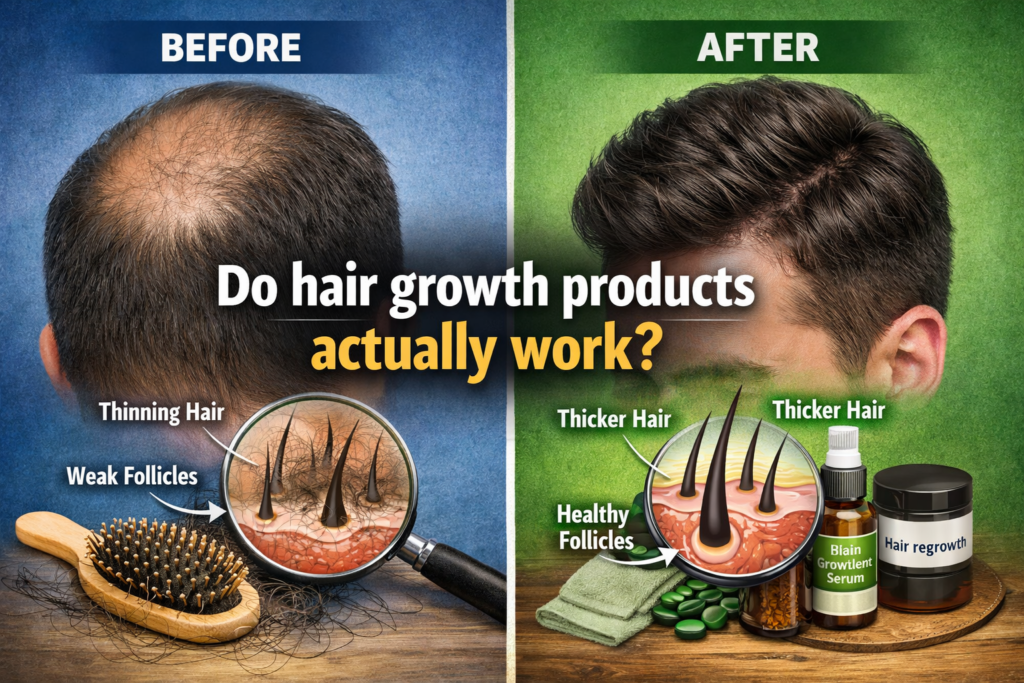
Do hair growth products actually work?
I remember the first time I noticed more hair than usual on my pillow. It wasn’t dramatic, not the kind of moment you see in movies where someone gasps and clutches their head in panic. It was quieter than that—just a small, unsettling realization that something had changed. At first, I told myself it was nothing. Maybe stress. Maybe the lighting. Maybe I was overthinking it.
But then it kept happening.
The strands in the shower drain became harder to ignore. The way my hair felt thinner when I ran my fingers through it started to bother me more than I wanted to admit. And like most people in that situation, I did what we all do: I went down the rabbit hole.
Suddenly, I was surrounded by promises.
“Regrow your hair in 30 days.”
“Clinically proven results.”
“Thicker, fuller hair—guaranteed.”
It felt like every product was speaking directly to me, offering hope in a bottle. Oils, serums, shampoos, supplements—each one claiming to be the answer I was looking for. And that’s when the real question hit me:
Do hair growth products actually work?
The short answer is: some do, some don’t—and most fall somewhere in between.
But the long answer is more complicated, and honestly, more human.
The Emotional Side of Hair Loss
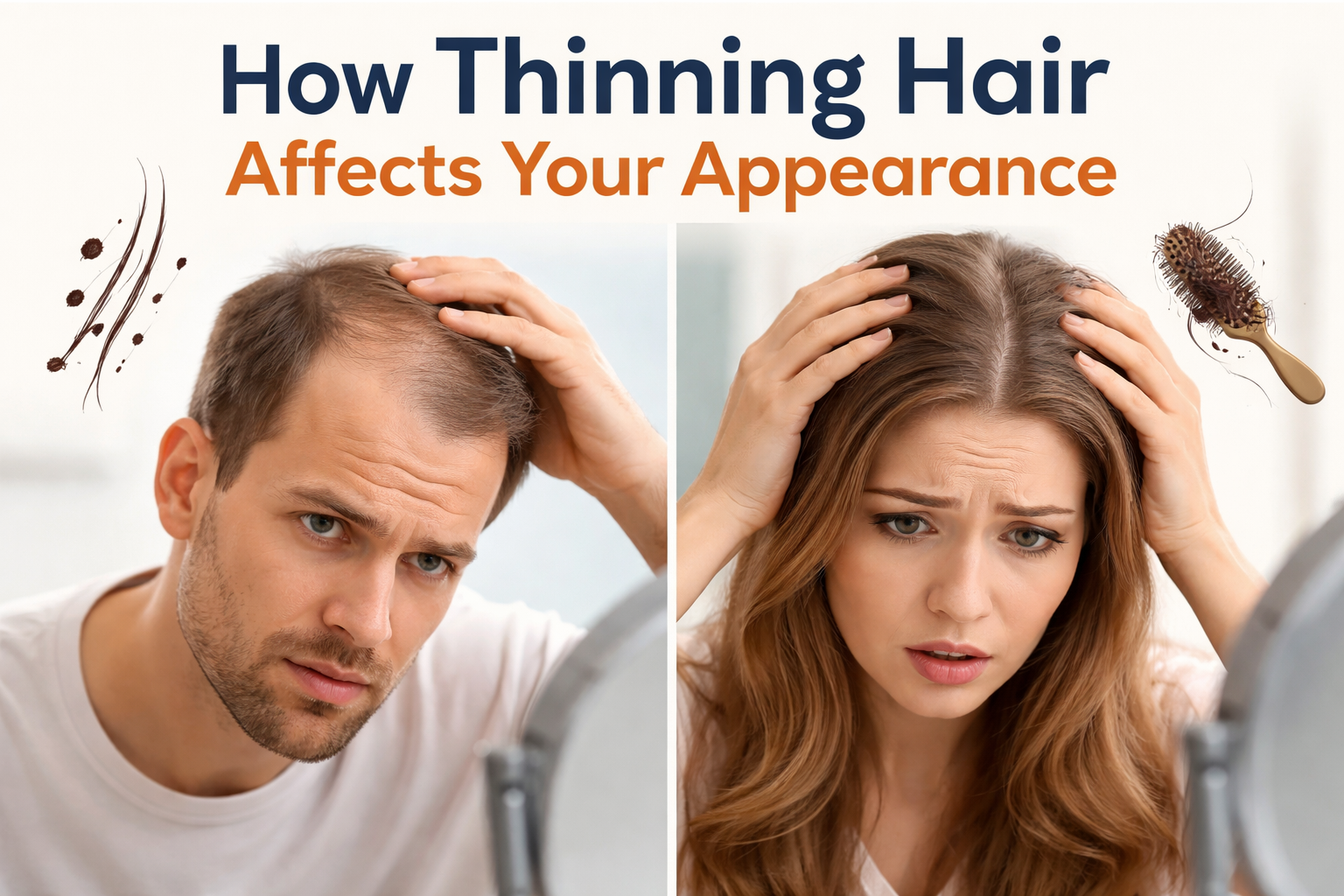
Before we even get into ingredients and science, it’s important to talk about something people don’t say enough: hair loss isn’t just physical.
It messes with your confidence in subtle ways. You might find yourself adjusting your hairstyle to hide thinning spots. You might avoid certain lighting. You might even start comparing your hair to others without realizing it.
For me, it wasn’t just about losing hair. It was about losing a version of myself I had always taken for granted.
And that emotional vulnerability? That’s exactly what the hair growth industry taps into.
When you’re feeling uncertain, you’re more likely to believe in quick fixes.
The Truth About Hair Growth Cycles
One of the first things I learned—after reading way too many articles at 2 a.m.—is that hair doesn’t grow randomly. It follows a cycle:
- Anagen (growth phase): This can last years. Your hair is actively growing.
- Catagen (transition phase): A short phase where growth slows.
- Telogen (resting phase): Hair eventually sheds, making room for new growth.
At any given time, some of your hair is growing, and some of it is preparing to fall out. That’s normal.
So when you start using a product and notice shedding, it doesn’t always mean it’s making things worse. Sometimes, it’s part of the process. But this is also where confusion begins—because it’s hard to tell what’s working and what isn’t.
Ingredients That Actually Have Evidence
Let’s be honest—not all hair products are created equal. Some are built on solid research, while others rely more on clever marketing than real results.
Here are a few ingredients that have been studied more seriously:
1. Minoxidil
This is probably the most well-known ingredient. It’s FDA-approved and has been shown to help with certain types of hair loss, especially pattern hair loss.
It works by improving blood flow to hair follicles and extending the growth phase. But it’s not magic. It requires consistent use, and results can take months.
Also, if you stop using it, the effects often fade.
2. Finasteride (more common in prescription form)
This one works differently. It blocks a hormone called DHT, which is linked to hair loss in many people.
It’s generally more effective for certain cases, but it’s also something that requires medical guidance. It’s not a casual over-the-counter solution.
3. Caffeine, Biotin, and Natural Oils
These are everywhere. You’ll see them in shampoos, serums, and supplements.
- Biotin can help if you have a deficiency, but most people already get enough from their diet.
- Caffeine may stimulate follicles slightly, but the evidence is still limited.
- Natural oils (like castor oil or rosemary oil) can improve scalp health, which is important—but they’re not miracle cures.
So yes, some ingredients have real potential. But many products exaggerate what those ingredients can actually do.
My Experience Trying Different Products
I wish I could say I found one product that changed everything overnight. But the truth is messier.
I tried oils that smelled strong enough to fill a room. I tried shampoos that promised thickness after just a few washes. I even tried supplements that came in sleek bottles with minimalist labels—because somehow that made them feel more trustworthy.
Some of them made my hair feel softer. Some made my scalp feel healthier. A few even gave the illusion of more volume.
But real, noticeable regrowth? That was slower. Subtle. Easy to doubt.
And that’s the tricky part. Hair growth doesn’t happen on your schedule. It doesn’t care about your expectations.
The Role of Consistency (and Patience)
If there’s one thing I underestimated, it’s how long this process takes.
We’re used to quick results. We expect changes in days, maybe weeks. But hair operates on a different timeline.
Most treatments—if they work—take at least 3 to 6 months to show visible results. Sometimes longer.
That means you’re committing to something without immediate feedback. You’re trusting a process you can’t fully see.
And that’s hard.
There were moments when I wanted to quit. Moments when I looked in the mirror and thought, “This isn’t doing anything.”
But sometimes, the change is happening quietly. One follicle at a time.
Lifestyle Matters More Than You Think
At some point, I realized something important: products are only part of the story.
Your hair is connected to your overall health.
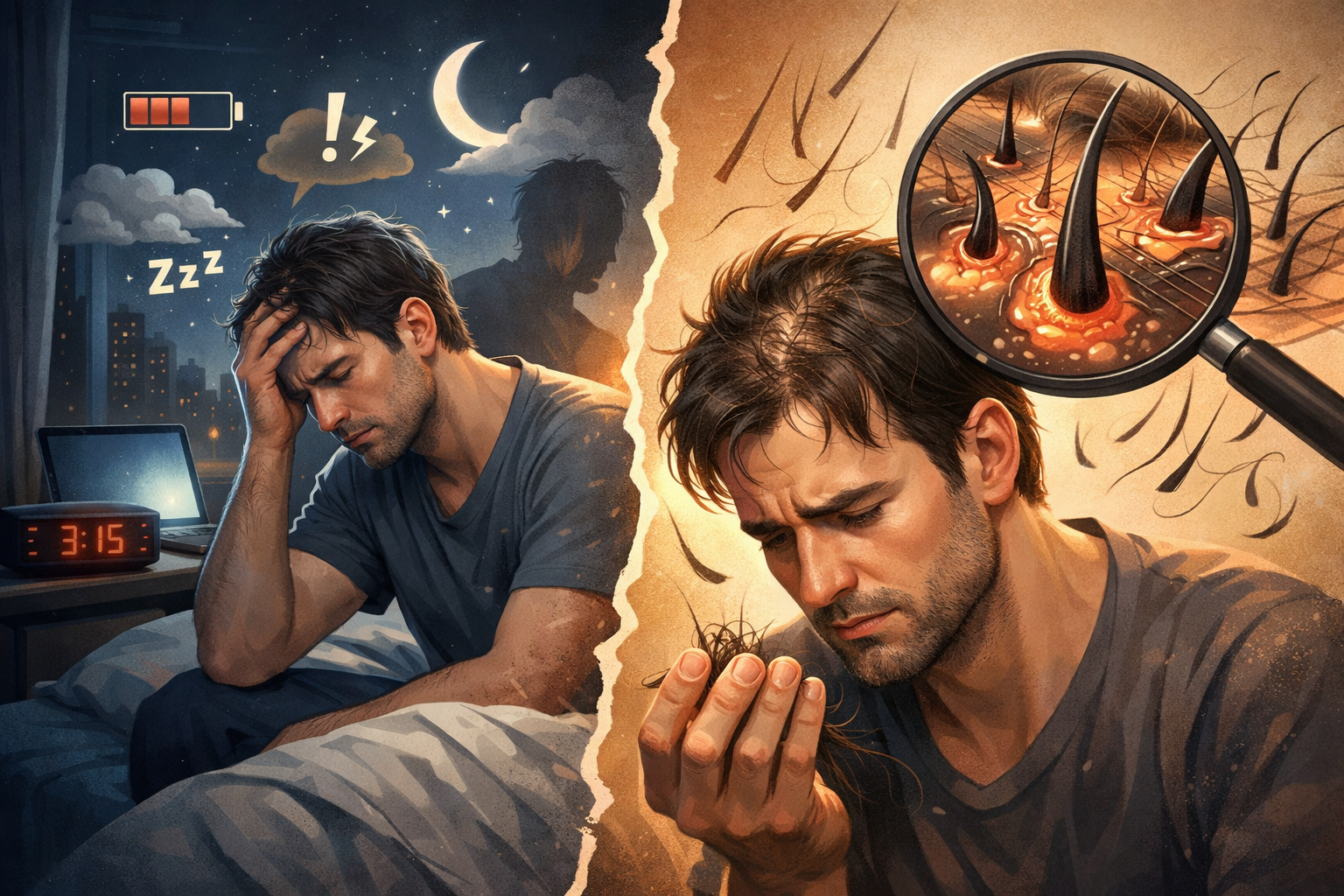
- Stress can push hair into the shedding phase.
- Diet affects the nutrients your follicles receive.
- Sleep impacts your body’s ability to repair and grow.
There were times when I was so focused on external solutions that I ignored what was happening internally.
When I started paying attention to my habits—eating better, managing stress, getting enough rest—I noticed a difference. Not instantly, but gradually.
It wasn’t just about what I applied to my hair. It was about how I treated my body.
The Marketing Illusion
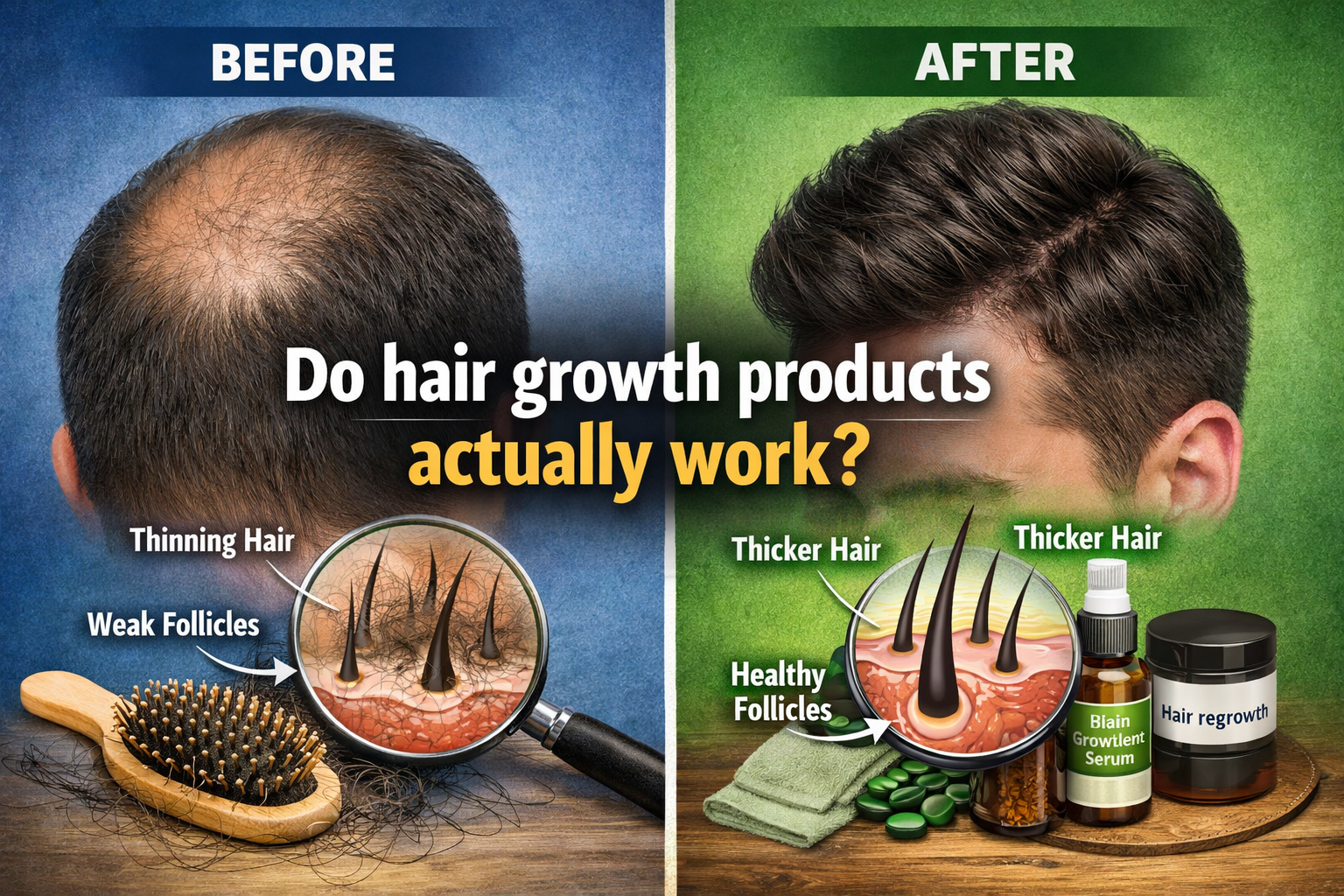
Let’s talk about something we all fall for: before-and-after photos.
Perfect lighting. Carefully styled hair. Strategic angles.
It’s not always fake—but it’s not always the full story either.
Hair can look dramatically different depending on how it’s styled, dried, or even parted. And when you’re already feeling insecure, it’s easy to believe that every transformation you see is achievable.
This doesn’t mean all products are scams. But it does mean we need to approach them with a bit of skepticism.
Not every promise is realistic.
So… Do They Work?
Here’s the honest answer:
Hair growth products can work—but not in the way most people expect.
They’re not instant fixes. They don’t guarantee dramatic transformations. And they don’t work the same for everyone.
Some people see real improvement. Others see minimal change. And some may not see results at all.
It depends on the cause of hair loss, the product used, and how consistent you are.
What I Wish I Knew Earlier
If I could go back and talk to myself at the beginning of this journey, I’d say this:
Don’t chase miracles.
Focus on understanding your own situation. Be patient with the process. And don’t measure progress day by day—because you won’t see it that way.
Take photos. Give things time. And most importantly, don’t let your hair define how you feel about yourself.
Because it’s easy to get caught up in the idea that thicker hair equals more confidence.
But confidence doesn’t grow in a bottle.
A More Balanced Perspective
Today, I still use hair care products. But my mindset has changed.
I don’t expect them to fix everything. I see them as part of a bigger picture—one that includes health, habits, and self-acceptance.
And maybe that’s the real answer to the question.
Hair growth products can help. They can support the process. They can even make a visible difference over time.
But they’re not the whole solution.
Final Thoughts
If you’re standing where I once stood—scrolling through reviews, comparing products, wondering what to try—here’s what I’ll say:
It’s okay to hope.
It’s okay to try.
Just don’t lose yourself in the process.
Because at the end of the day, this journey isn’t just about hair. It’s about how you see yourself, how patient you’re willing to be, and how you choose to care for your body and mind.
And that’s something no product can fully replace.