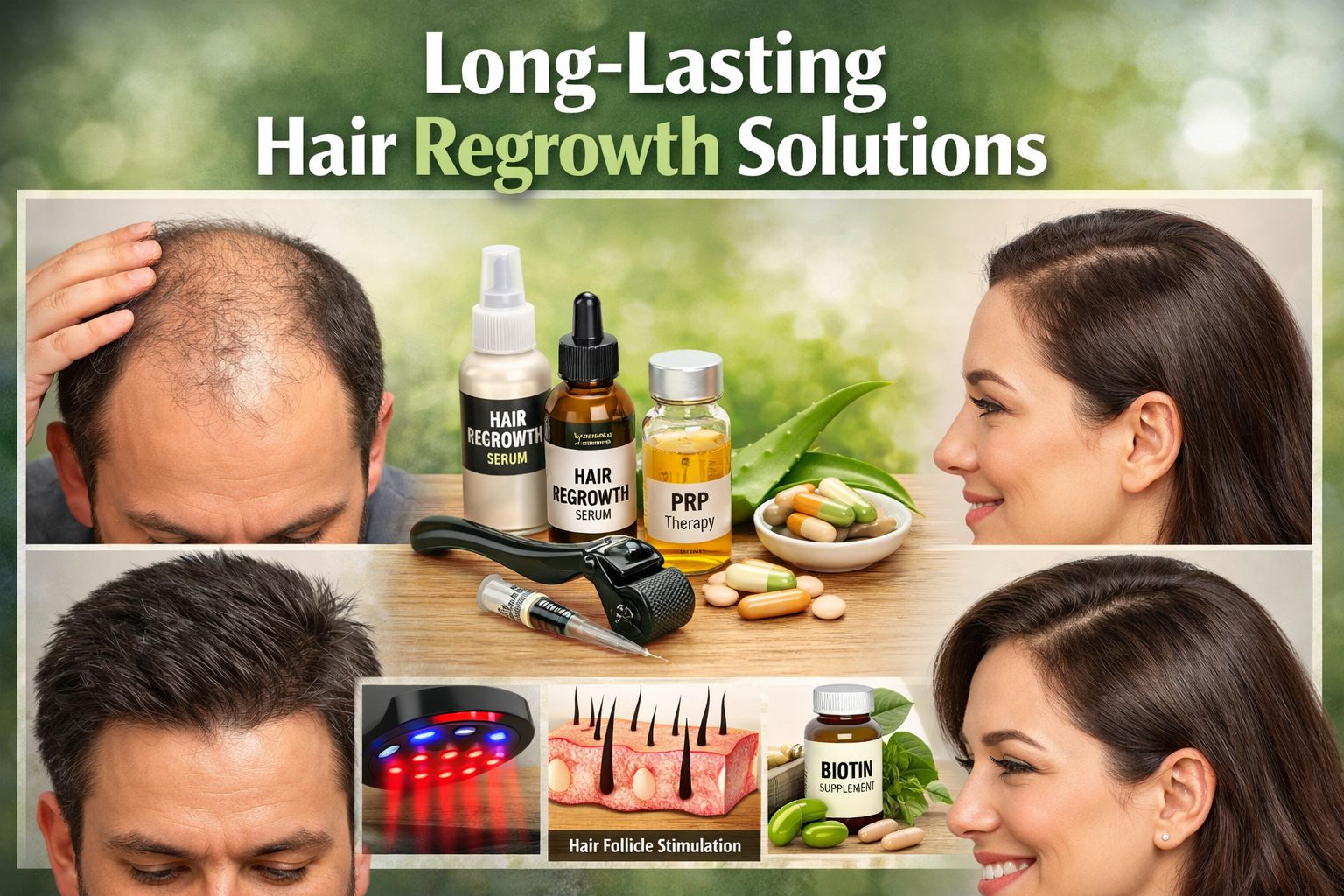
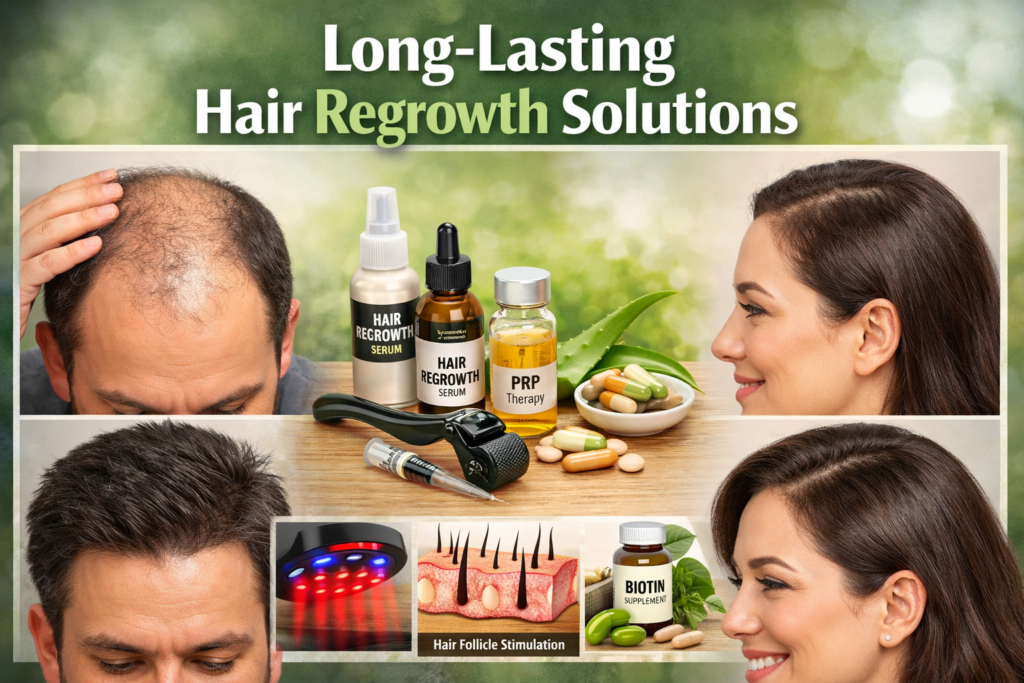
Long-Lasting Hair Regrowth Solutions: A Personal Journey Toward Confidence and Renewal
I still remember the first time I noticed it.
It wasn’t dramatic. No clumps of hair in the shower drain, no sudden bald patches. Just a quiet, almost unnoticeable thinning at the temples. At first, I brushed it off. Stress, maybe. Or just a bad haircut. But over time, the mirror became less forgiving. The hairline crept back. The volume faded. And with it, something else began to slip—my confidence.
Hair loss doesn’t just change how you look. It changes how you feel when you walk into a room, how long you spend adjusting your hair before stepping outside, and how often you avoid photos. It becomes a silent companion, always there, reminding you of something you can’t easily control.
But here’s the thing I’ve learned through years of trial, research, and a fair share of frustration: long-lasting hair regrowth isn’t about a single miracle cure. It’s about understanding your body, being patient, and choosing solutions that actually work over time—not just quick fixes.
Let me take you through what that journey really looks like.
Understanding Why Hair Loss Happens
Before diving into solutions, I had to face a simple truth: not all hair loss is the same.
Some people lose hair because of genetics—what we often call androgenetic alopecia. Others experience it due to stress, poor nutrition, hormonal imbalances, or even certain hairstyles that pull too tightly on the scalp.
In my case, it was a mix of genetics and lifestyle. Late nights, inconsistent meals, and constant stress quietly fueled the problem. And no product, no matter how expensive, could fix that overnight.
That realization changed everything. Instead of chasing trends, I started looking for long-term solutions grounded in science and consistency.
The Myth of Quick Fixes
It’s tempting, isn’t it?
A shampoo that promises thicker hair in 7 days. A serum that claims to “reactivate dormant follicles instantly.” I’ve tried more of these than I’d like to admit.
Some made my hair feel softer. A few even gave the illusion of volume. But none of them truly addressed the root cause. And that’s the key word here—root.
Hair regrowth takes time because hair itself grows in cycles. There’s the growth phase, the resting phase, and the shedding phase. Interrupting or improving this cycle requires consistency over months, not days.
If there’s one thing I wish I knew earlier, it’s this: if something sounds too good to be true, it probably is.
Medical Treatments That Actually Work
After months of experimenting on my own, I finally consulted a professional. That step alone saved me years of guesswork.
There are a few clinically proven treatments that stand out:
1. Minoxidil
This was the first treatment I tried seriously.
Applied directly to the scalp, minoxidil helps improve blood flow to hair follicles and prolongs the growth phase. The results weren’t instant. In fact, the first few weeks were discouraging—I experienced some shedding, which is actually part of the process.
But after about three to four months, I noticed something subtle: tiny, fine hairs beginning to appear where there had been none.
It wasn’t dramatic, but it was real.
2. Finasteride (for those medically eligible)
This oral medication works by reducing DHT, a hormone linked to hair loss. It’s not for everyone, and it requires medical guidance, but for many people, it can significantly slow or even stop hair loss.
What stood out to me wasn’t just the regrowth—it was the stabilization. The feeling that things weren’t getting worse anymore.
Natural and Lifestyle-Based Approaches
While medical treatments played a big role, I quickly realized they weren’t enough on their own.
Hair is a reflection of overall health. And ignoring that is like watering a plant without checking the soil.
Nutrition Matters More Than You Think
I started paying attention to what I ate—not in a restrictive way, but in a supportive one.
Protein became essential. Hair is made of keratin, a type of protein, so it made sense. I added more eggs, fish, beans, and nuts to my diet.
Vitamins like biotin, vitamin D, and iron also became part of the conversation. Not through random supplements, but through balanced meals and, when necessary, guided supplementation.
Within a few months, not only did my hair feel stronger, but my energy levels improved too.
Stress: The Silent Enemy
This one was harder to admit.
Stress had been a constant in my life, and I underestimated its impact. Chronic stress can push hair into the shedding phase prematurely, leading to noticeable thinning.
I didn’t suddenly become a calm, carefree person overnight. But I started small—walking more, sleeping better, and giving myself breaks without guilt.
And slowly, things began to shift.
Scalp Care: The Foundation of Regrowth
We often focus so much on the hair itself that we forget where it grows from.
A healthy scalp creates the right environment for hair to thrive.
I introduced gentle scalp massages into my routine, sometimes with natural oils like rosemary or peppermint. While the science is still evolving, these practices improved circulation and made my scalp feel healthier overall.
Exfoliating the scalp occasionally also helped remove buildup from products and excess oil, allowing follicles to function more effectively.
It wasn’t a miracle solution—but it was an important piece of the puzzle.
Advanced Solutions: When You Want to Go Further
For those looking for more noticeable or faster results, there are advanced options worth considering.
Platelet-Rich Plasma (PRP) Therapy
This treatment involves using your own blood, processing it, and injecting the concentrated platelets into the scalp.
It sounds intimidating, but it’s surprisingly straightforward. The idea is to stimulate hair follicles using growth factors from your own body.
Results vary, but many people see improved thickness and density over time.
Hair Transplants
This is often seen as a last resort, but modern techniques have come a long way.
A good transplant doesn’t just restore hair—it restores confidence in a way that’s hard to describe unless you’ve experienced it.
That said, it’s not a shortcut. It requires planning, recovery time, and continued care to maintain results.
Patience: The Most Underrated Solution
If there’s one lesson this journey has taught me, it’s patience.
Hair regrowth doesn’t follow your schedule. There will be weeks when nothing seems to change, and days when you feel like giving up.
But progress often happens quietly.
A little less shedding. A bit more density. A subtle return of your hairline.
These small wins add up.
Building a Sustainable Routine
Over time, I stopped chasing new products and focused on consistency.
My routine became simple but effective:
- A proven treatment (like minoxidil)
- A balanced diet
- Stress management
- Gentle scalp care
Nothing extreme. Nothing overwhelming.
And that’s what made it sustainable.
The Emotional Side of Hair Regrowth
We don’t talk about this enough.
Hair loss can feel isolating, even though it’s incredibly common. You might think you’re the only one noticing it, the only one worrying about it.
But you’re not.
Opening up about it—even just a little—can make a difference. Whether it’s talking to a friend, a doctor, or even just acknowledging your own feelings, it helps lighten the weight.
Because at the end of the day, this journey isn’t just about hair.
It’s about how you see yourself.
What “Long-Lasting” Really Means
When I first started, I thought “long-lasting” meant permanent.
Now, I see it differently.
Long-lasting hair regrowth isn’t about a one-time fix. It’s about creating conditions where your hair can continue to grow and thrive over time.
It’s a commitment—not a burden, but a form of self-care.
And once you shift your mindset, the process becomes less frustrating and more empowering.
Final Thoughts
If you’re at the beginning of your journey, feeling uncertain or overwhelmed, I understand.
I’ve been there.
Start small. Focus on what you can control. Choose solutions that are backed by evidence, not just marketing. And most importantly, give yourself time.
Because real, lasting change rarely happens overnight.
But when it does happen—when you start to see those small signs of regrowth, when you feel that quiet return of confidence—it’s worth every step.
And maybe one day, like me, you’ll look in the mirror and realize something important:
It wasn’t just your hair that grew back.
It was your sense of self.