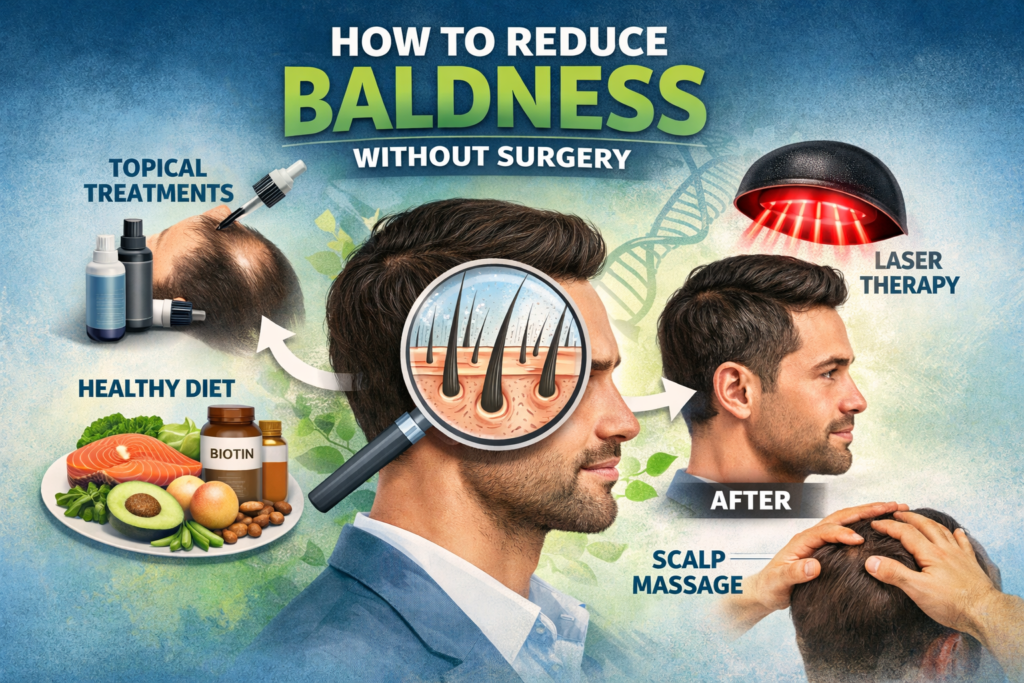
How to Reduce Baldness Without Surgery: A Personal Journey Toward Healthier Hair
I still remember the first time I noticed it.
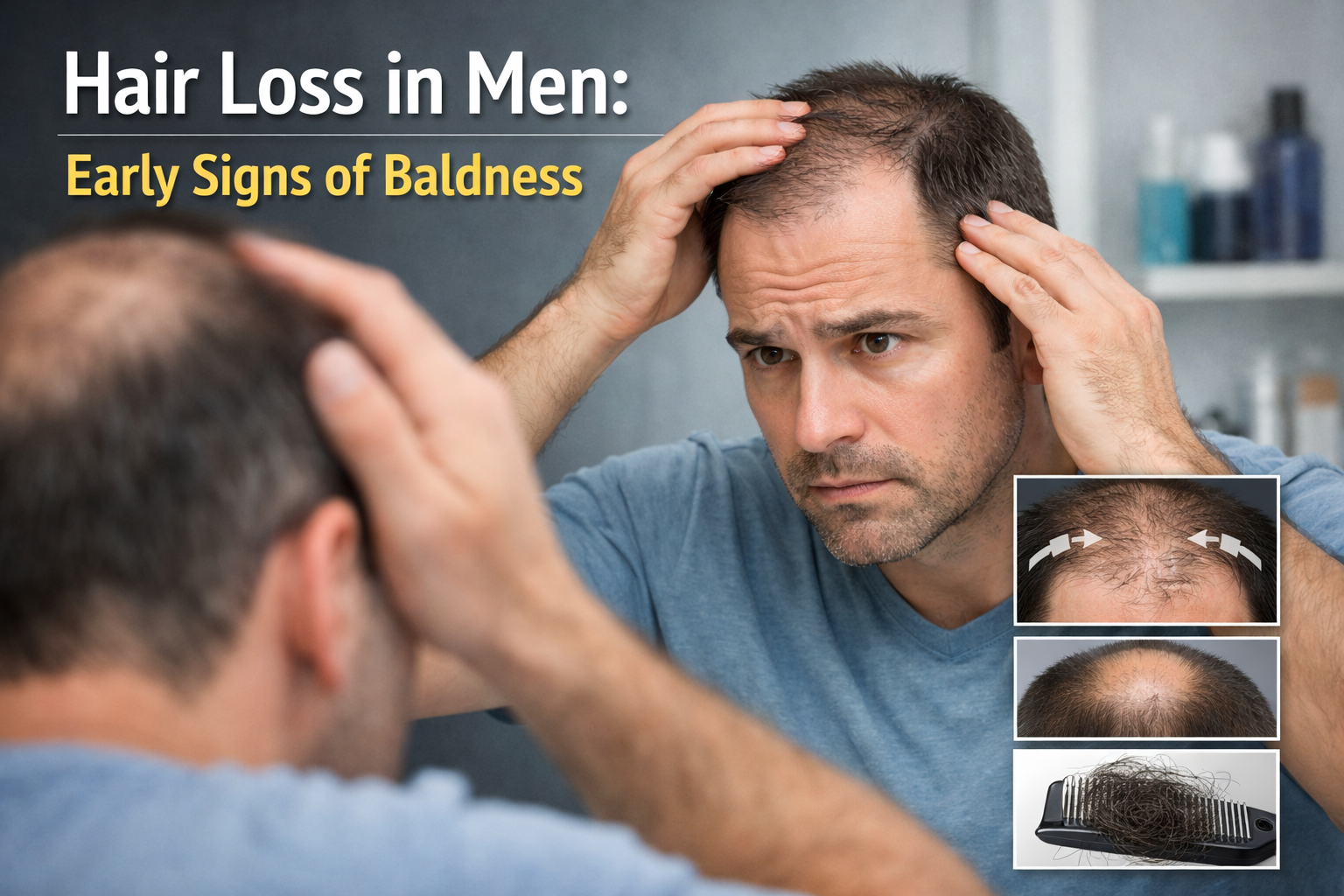
It wasn’t dramatic. There was no sudden clump of hair in the shower drain, no shocking reveal in harsh lighting. It was quieter than that—subtle, almost polite. A slightly wider part. A bit more scalp peeking through than I was used to. At first, I brushed it off. “It’s probably just stress,” I told myself. Or maybe the lighting was bad.
But over time, those small changes began to feel harder to ignore.
If you’re reading this, you might be going through something similar. Maybe you’ve started noticing more hair on your pillow, or your once-thick ponytail doesn’t feel quite as full. Maybe someone pointed it out casually, not realizing how deeply it would stick with you. Hair loss, or baldness, isn’t just about appearance—it can quietly chip away at confidence, identity, and even how you show up in the world.
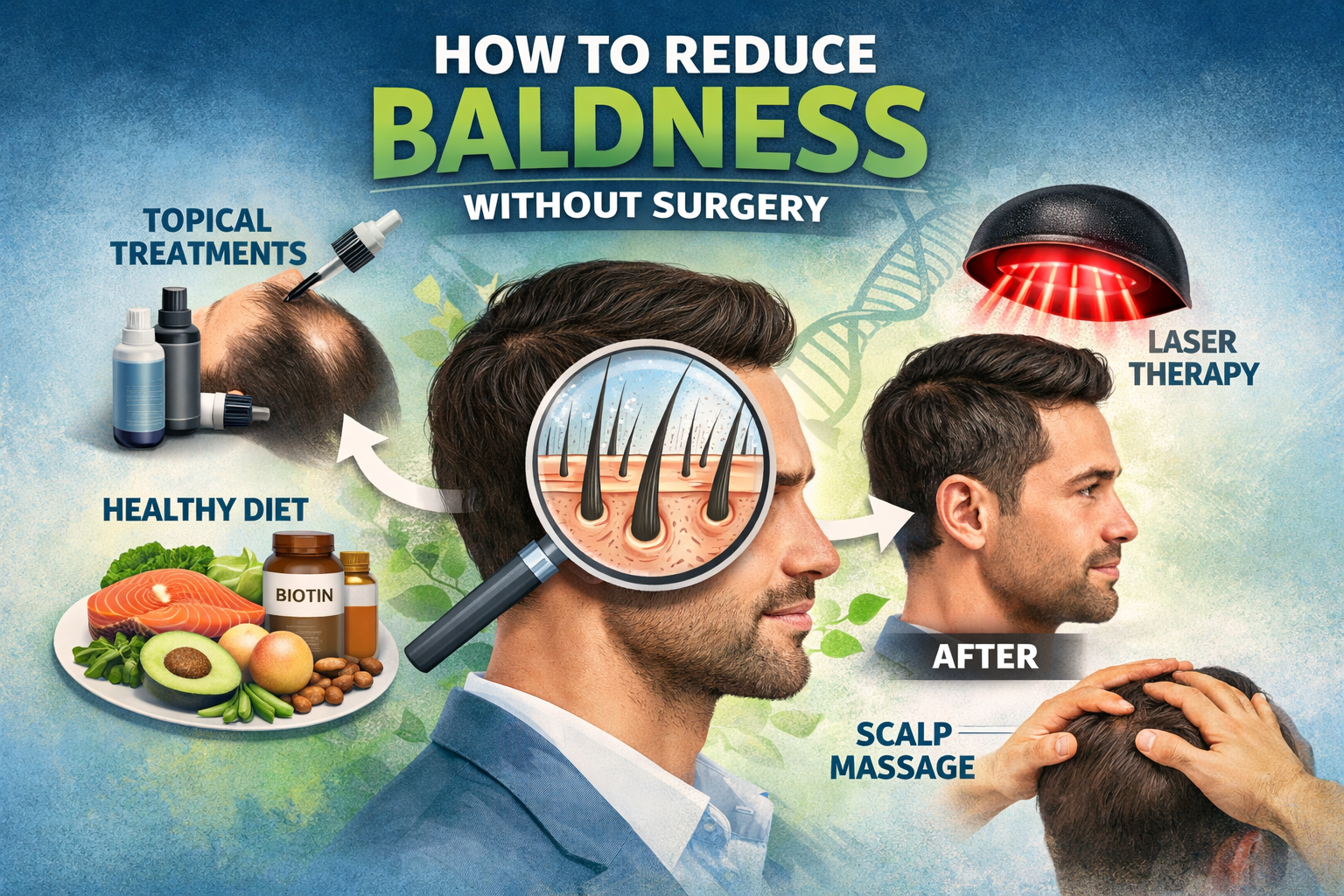
The good news? Surgery is not your only option. In fact, for many people, there are effective, natural, and non-invasive ways to slow down hair loss and even encourage regrowth. This isn’t a miracle story or a quick-fix guide. It’s a realistic, honest look at what can help—and what I learned along the way.
Understanding the “Why” Behind Hair Loss
Before I tried to fix anything, I had to understand what was happening.
Hair loss doesn’t come from a single cause. It’s often the result of multiple factors working together—genetics, hormones, stress, nutrition, and even how we treat our hair day to day.
For me, it was a mix of stress and poor habits. Late nights, irregular meals, and constant pressure had taken a toll on my body in ways I didn’t immediately connect to my hair.
Some common causes include:
- Genetic predisposition (often called pattern baldness)
- Hormonal changes
- Nutritional deficiencies
- Chronic stress
- Poor scalp health
- Harsh hair treatments or styling habits
Once I accepted that hair loss wasn’t random, it became easier to approach it with patience rather than panic.
Step One: Fixing What Happens Inside
I used to think hair care was all about what you apply externally—oils, shampoos, serums. But I learned quickly that what happens inside your body matters even more.
Nutrition Matters More Than You Think
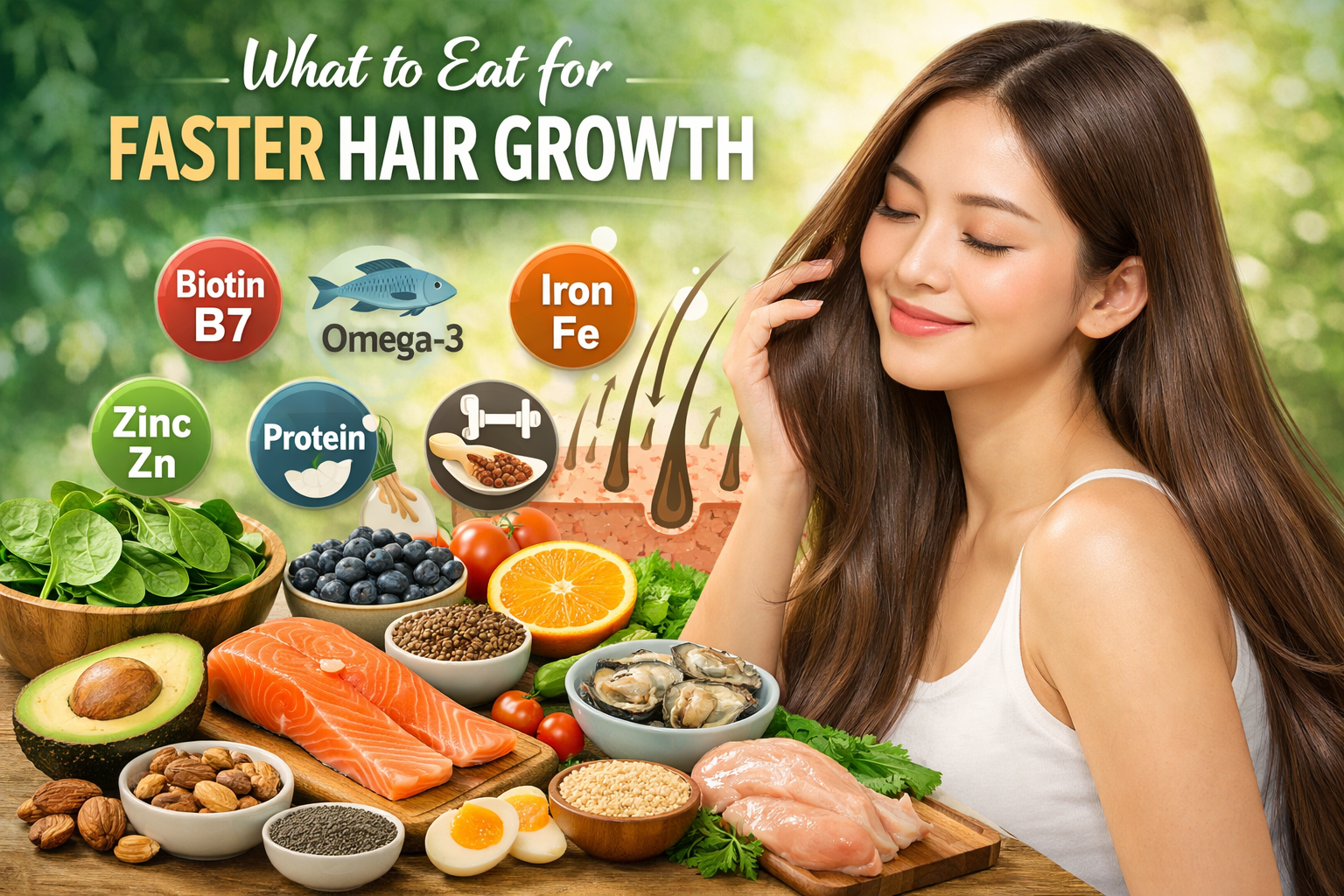
Hair is made primarily of protein, so if your diet lacks it, your hair pays the price.
I started paying attention to what I ate—not in a restrictive way, but in a supportive way. I focused on adding:
- Protein-rich foods like eggs, beans, and fish
- Iron sources like spinach and lentils
- Healthy fats from nuts and seeds
- Vitamins, especially Biotin, Vitamin D, and B-complex
It wasn’t an overnight transformation, but after a few months, I noticed something surprising: my hair didn’t just feel stronger—it looked more alive.
Hydration Is Underrated
It sounds simple, but drinking enough water made a visible difference. Dry, brittle hair often reflects internal dehydration. Once I started staying properly hydrated, my scalp felt healthier too.
Step Two: Learning to Manage Stress
This was the hardest part—and honestly, the most important.
Stress doesn’t just live in your mind; it shows up in your body. For many people, hair loss is one of the ways it manifests.
I didn’t eliminate stress (that’s unrealistic), but I changed how I responded to it.
- I started taking short walks without my phone
- I practiced simple breathing exercises
- I gave myself permission to rest without guilt
Over time, I noticed less hair shedding. It wasn’t magic—it was my body finally getting a chance to recover.
Step Three: Treating My Scalp Like Soil
Someone once told me: “Your scalp is like soil. If it’s unhealthy, nothing will grow well.”
That idea stuck with me.
Regular Scalp Care
I began gently massaging my scalp a few times a week. Not aggressively—just enough to stimulate blood flow.
This helped:
- Improve circulation
- Deliver nutrients to hair follicles
- Relax tension
Natural Oils
I experimented with natural oils—not expecting miracles, but hoping for support.
Some that worked well for me:
- Coconut oil (for moisture)
- Castor oil (for thickness support)
- Rosemary oil (often linked to hair growth stimulation)
I used them sparingly and consistently, not excessively. Consistency mattered more than quantity.
Step Four: Rethinking Hair Care Habits
Looking back, I realized I had been unintentionally damaging my hair.
Things I Changed
- I stopped using harsh shampoos with strong chemicals
- I avoided excessive heat styling
- I stopped tying my hair too tightly
- I became gentler when brushing or drying
It felt small at first, but these changes reduced breakage significantly.
Step Five: Being Patient With the Process
This might be the most difficult part for anyone going through hair loss.
We live in a world that promises fast results. But hair doesn’t work that way.
Hair grows slowly. Healing takes time. And consistency often matters more than intensity.
There were moments when I felt discouraged. Times when I thought, “Is any of this even working?” But then, gradually, I noticed:
- Less hair falling out during showers
- New baby hairs appearing along my hairline
- A healthier shine and texture
Progress didn’t shout—it whispered.
What Didn’t Work (And Why That’s Okay)
Not everything I tried made a difference.
Some products promised too much and delivered too little. Some trends were more hype than help. But I learned something important: not every solution works for everyone.
Hair care is deeply personal.
Instead of chasing every new trend, I focused on what felt sustainable and supportive for my body.
The Emotional Side of Hair Loss
This is something people don’t talk about enough.
Hair loss can affect how you see yourself. It can make you feel self-conscious, even when others don’t notice what you notice.
I had to learn to separate my worth from my appearance.
That doesn’t mean I stopped caring—it means I stopped letting it define me.
Ironically, that shift in mindset reduced stress, which… helped my hair.
When to Seek Professional Help
While natural methods can be effective, there are times when it’s important to consult a professional.
If you notice:
- Sudden or rapid hair loss
- Patchy bald spots
- Scalp irritation or pain
A dermatologist or healthcare provider can help identify underlying causes and suggest appropriate treatments.
There’s no weakness in asking for help—only clarity.
A Realistic Perspective on Hair Regrowth
Let’s be honest: not all hair loss can be fully reversed without medical treatment, especially if it’s strongly genetic.
But that doesn’t mean you’re powerless.
Non-surgical approaches can:
- Slow down hair loss
- Strengthen existing hair
- Improve scalp health
- Support partial regrowth
Even small improvements can make a big difference in how you feel.
Final Thoughts: A Journey, Not a Quick Fix
If I could go back and tell myself one thing when I first noticed my hair thinning, it would be this:
“Don’t panic. Pay attention.”
Hair loss isn’t always a crisis—it’s often a signal. A signal that your body needs care, balance, and patience.
Reducing baldness without surgery isn’t about finding one perfect solution. It’s about building a set of habits that support your overall health.
Eat well. Rest more. Be gentle—with your hair and with yourself.
Because in the end, healthier hair doesn’t come from force. It comes from consistency, understanding, and time.
And sometimes, the quiet changes are the ones that matter most.