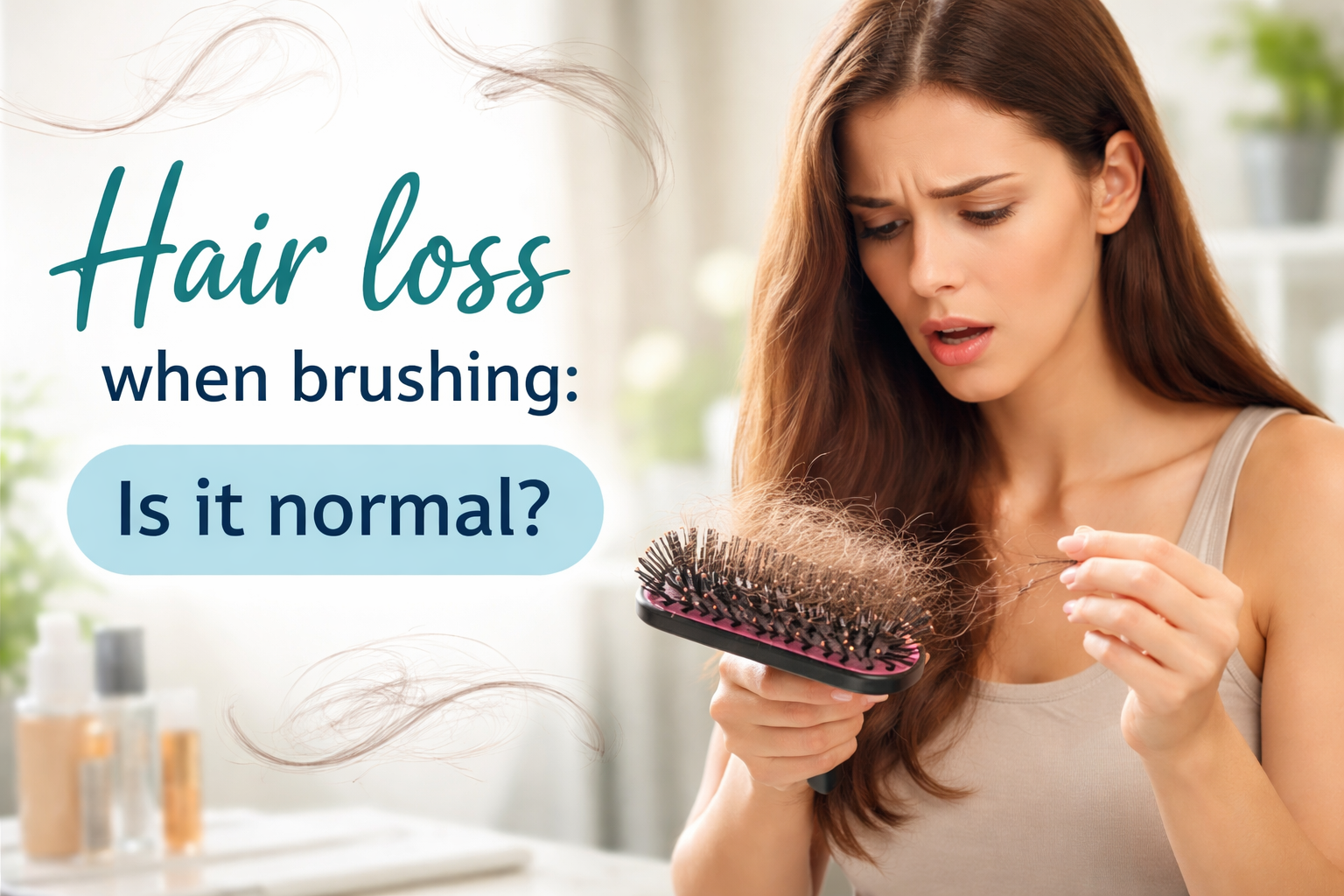
Hair Loss When Brushing: Is It Normal?
It always happened at the same moment.
Not in the shower.
Not when I woke up.
But when I picked up the brush.
There’s something about brushing your hair that feels routine, almost automatic. You don’t expect it to reveal anything new. It’s just part of getting ready—something you do without thinking.
Until you do.
The First Time It Feels Like Too Much
I remember running the brush through my hair one morning and pausing.
There were strands caught between the bristles.
More than I expected.
Not dramatically more.
But enough to make me stop and look.
And once you notice it once, you start noticing it every time.
The Brush Becomes a Mirror
After that, brushing stopped being automatic.
It became observational.
I would look at the brush after each pass.
Notice how much hair collected.
Compare it to the day before.
And suddenly, something simple turned into something I paid attention to.
Why Brushing Makes Hair Loss Visible
What I didn’t understand at first is that brushing doesn’t cause most of the hair loss you see.
It reveals it.
Throughout the day—or even overnight—loose hairs stay caught among other strands.
They don’t fall immediately.
They wait.
And brushing releases them all at once.
So what looks like sudden hair loss is often just accumulated shedding.
The Illusion of More Than There Is
That’s what makes brushing so misleading.
Because instead of seeing hair fall gradually, you see it in one moment.
Collected.
Concentrated.
Visible.
And anything that appears all at once feels like more—even if it isn’t.
When It Feels Different
Still, there were days when it didn’t feel normal.
When the amount in the brush seemed heavier.
More consistent.
And that’s when the question shifted:
Is this just normal shedding… or something more?
The Difference Between Normal and Noticeable
Everyone loses hair daily.
That’s part of the natural cycle.
But brushing can make normal loss feel noticeable.
And noticeable loss feels different—even if it’s within a normal range.
Because you’re seeing it clearly.
When You Haven’t Brushed for a While
One thing I realized later was how timing affects everything.
If you haven’t brushed your hair for a day—or longer—you’re not just seeing one day’s worth of shedding.
You’re seeing multiple days at once.
And that accumulation can feel alarming.
Even if it’s completely normal.
Wet vs. Dry Brushing
There was also a difference depending on when I brushed.
Brushing wet hair felt riskier.
More strands came out.
More resistance.
More fragility.
Because wet hair stretches more easily.
It’s weaker.
More prone to breakage.
So brushing at that time can make hair loss feel worse than it actually is.
The Feeling of Resistance
I started noticing how my hair responded to the brush.
Sometimes it moved smoothly.
Other times, it felt like there was resistance.
More tangling.
More pulling.
And that resistance often led to more strands coming away.
Not necessarily from the root—but from breakage.
When It’s Not Just Shedding
That’s when I began to understand something important:
Not all hair in the brush is the same.
Some strands are shed naturally—from the root.
Others are broken—shorter, uneven, without the root attached.
And that difference matters.
Because shedding is part of the cycle.
Breakage is a sign of weakness.
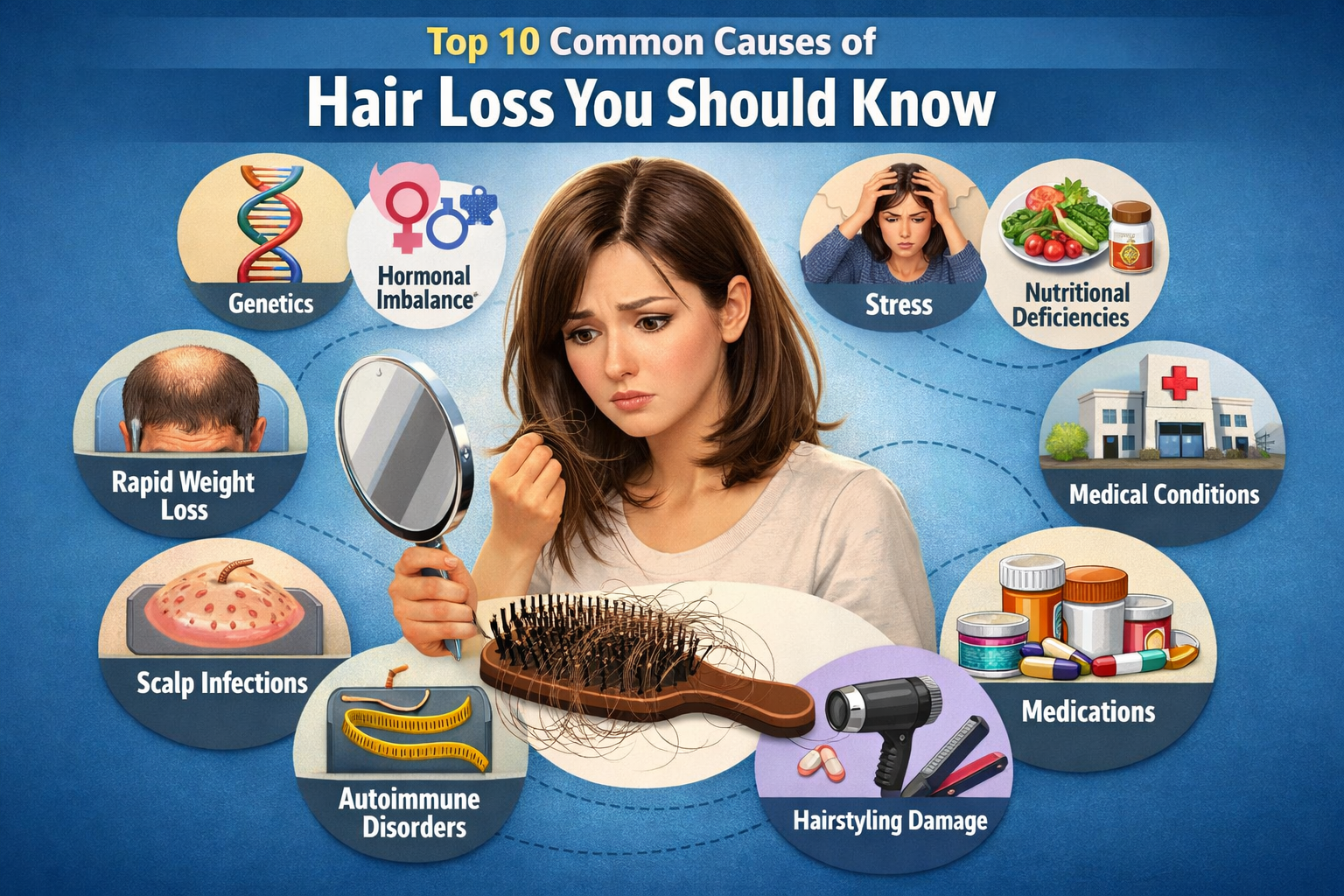
The Role of Hair Condition
The condition of your hair affects how it responds to brushing.
Dry hair tangles more.
Weak hair breaks more.
Hair that lacks moisture or strength doesn’t glide—it resists.
And that resistance increases the amount of hair you see in the brush.
When Brushing Becomes a Source of Stress
At some point, brushing stopped feeling neutral.
It became something I anticipated.
Something I watched closely.
And that awareness added a layer of stress.
Because now, it wasn’t just a routine.
It was a moment of evaluation.
The Balance Between Awareness and Overthinking
There’s a fine line here.
Being aware is helpful.
But overanalyzing every strand can make normal shedding feel like a problem.
And that perception can be more stressful than the shedding itself.
Looking at Patterns, Not Moments
What helped me most was stepping back.
Instead of focusing on one brushing session, I looked at patterns over time.
Was the amount increasing?
Was my hair feeling thinner overall?
Were there other signs besides what I saw in the brush?
And that bigger picture gave me more clarity.
When It Might Be More Than Normal
Hair loss during brushing might need more attention if:
The amount increases consistently over time
Your hair feels noticeably thinner
You see more short, broken pieces
Shedding happens throughout the day—not just when brushing
These patterns matter more than any single moment.
The Importance of How You Brush
I also realized that how I brushed mattered.
Rushing.
Pulling.
Starting from the top instead of the ends.
All of these created more stress on the hair.
And small changes made a difference.
Not instantly.
But over time.
You’re Not Causing All of It
This was important for me to understand:
Brushing doesn’t cause most of the hair loss you see.
It reveals what was already ready to fall.
And that distinction made it feel less alarming.
You’re Not Losing Hair—You’re Seeing It
That thought stayed with me.
I wasn’t necessarily losing more hair in that moment.
I was just seeing it more clearly.
Because brushing gathers everything in one place.
So, Is Hair Loss When Brushing Normal?
In most cases, yes.
Because it’s part of the natural cycle.
Because brushing releases what was already loose.
Because it concentrates what would otherwise be spread out.
But Context Matters
The amount.
The pattern.
The overall condition of your hair.
All of these help determine whether it’s normal—or something to look into further.
Final Thought
Hair loss when brushing can feel alarming.
Because it’s visible.
Immediate.
Hard to ignore.
But what you’re seeing isn’t always a problem.
Sometimes, it’s just a moment where everything that was already happening becomes visible at once.
And once you understand that, the experience shifts—
From something that feels sudden…
To something that makes a little more sense over time.